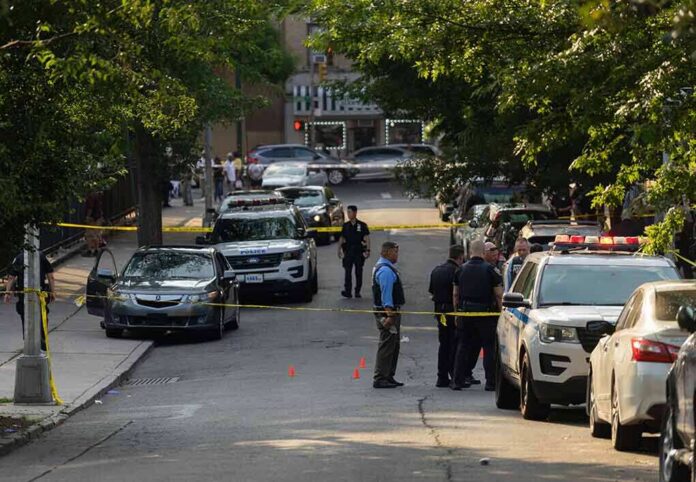
Ten people were killed and eleven wounded when gunmen opened fire inside a Cape Town entertainment venue early Sunday, police said.
Story Snapshot
- Police say attackers hit an entertainment venue in Lwandle around 1:46 a.m. local time.
- Five victims died at the scene and five later in the hospital; eleven were injured.
- Detectives opened murder and attempted murder cases and launched a manhunt; no arrests yet.
- Officials asked witnesses to come forward with tips to help identify the shooters.
What Police Confirmed About the Attack
South African Police Service officials reported that several gunmen entered an entertainment venue in Lwandle, within the Cape Town metro, at about 1:46 a.m. Sunday and fired at patrons. Police said five people died at the scene. Five more died later in the hospital, and eleven others were treated for gunshot wounds. Investigators opened murder and attempted murder cases. Officers formed a joint team to hunt the suspects and process evidence. Officials did not announce arrests as of the latest updates.
Police appealed for help from anyone who saw the attack or has knowledge of the shooters’ movements. Major outlets gave consistent death and injury totals. Reports described the site as a local venue in Lwandle near Cape Town, with small wording differences on the exact type of business. That variation did not change the core facts: armed attackers entered a crowded place, opened fire, and fled. Authorities have not named suspects or set a motive in public statements yet.
How This Fits a Wider South African Pattern
Recent reporting shows many mass shootings in South Africa cluster in poorer townships and semi-public spaces, often tied to criminal networks and illegal guns rather than lone actors. Analysts describe turf battles, extortion rackets, and access to illicit firearms as common threads in these events. Research also notes that such attacks strike bars, taverns, and informal venues where security is thin and response times can lag, raising casualty counts when gunmen strike without warning.
Experts and past case studies point to organized groups using rapid, surprise raids as a tactic to control space and intimidate rivals. That context helps explain why investigators often need weeks to develop motive and name suspects. It takes time to match shell casings, pull camera footage, and gather witness statements that can stand in court. Police asked for public tips in this case as well, a step that often helps connect vehicles, weapons, or safe houses to a crew.
Why Americans Should Care About This Story
Global crime trends ripple across borders through weapons, drugs, and trafficking routes. When organized groups can outgun local police abroad, those networks can expand. United States readers know the pain of violent crime at home and the feeling that leaders talk more than they fix. This case underscores a basic truth citizens across parties share: communities need competent policing, working courts, and clear accountability, or predators fill the gap while officials argue.
At least 27 people have been killed and 26 others wounded in two separate mass shootings in South Africa, prompting police manhunts in Gauteng and the Western Cape.
The first attack occurred at about 9:30 pm on Saturday, September 26, at a tavern in Wedela township, about 80… pic.twitter.com/YJhsFqvnjM
— MMI News (@MimiMefoInfo) September 27, 2026
For readers on both the right and the left, the lesson is practical. Public safety depends on simple but hard things done well: accurate incident logs, rapid evidence work, camera pulls, ballistics checks, and steady witness care. South African police say they formed a multidisciplinary team and asked witnesses for help. That is the track to results. The sooner detectives match weapons and map movements, the sooner families get answers and the next attack is harder to pull off.
Sources:
france24.com, abc.net.au, english.news.cn, aa.com.tr, enca.com, bbc.com, economictimes.indiatimes.com