British police declared a “major incident” and evacuated a village after arresting men on suspected explosives offenses near a U.S.-used air base in England.
Story Snapshot
- Police arrested several men under the Explosives Act near RAF Fairford.
- Officials declared a “major incident” and evacuated residents in Whelford.
- Army bomb-disposal specialists examined multiple vehicles on scene.
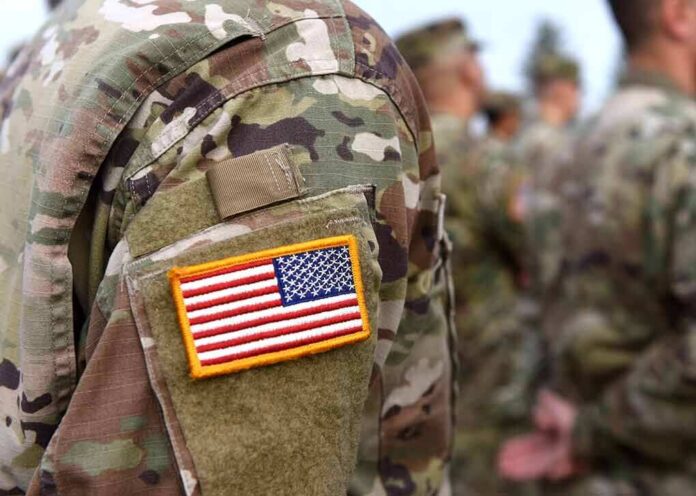
- The base hosts U.S. Air Force operations, heightening security concerns.
Police Actions and What Triggered Evacuations
Gloucestershire Police said they arrested several men on suspicion of offenses under the Explosives Act near the village of Whelford on September 27. Officers declared a “major incident,” which activates extra emergency powers and resources. Police ordered evacuations of nearby homes and directed people to a local leisure center as a safety step during the response. Officials did not release names, ages, or detailed allegations. Police emphasized public safety while they secured the area and managed traffic around the cordon.
The Army’s explosive ordnance disposal unit examined a number of vehicles at the scene, which supports the explosives-related focus of the operation. Bomb technicians often inspect cars, vans, or containers to check for devices or materials that could harm the public. Authorities did not confirm whether any explosive device was found. The work of bomb-disposal teams can take hours because they use step-by-step methods to reduce risk, gather evidence, and clear areas before lifting evacuations.
Location and Why It Matters for U.S.–U.K. Security
The arrests happened near Royal Air Force Fairford in Gloucestershire, a base used by the United States Air Force. That location raises the stakes because the site supports U.S. bomber rotations and joint missions, which draws security attention from both countries. After the arrests, reporting described increased security measures around the base. The U.S. connection helps explain the large response and the caution taken by local police and military specialists as they evaluated any possible threat.
Incidents like this fit a common pattern in United Kingdom security operations. Police often arrest suspects “on suspicion” under explosives or terrorism-related laws while they secure an area, evacuate homes, and call in bomb-disposal units. Early public details are usually limited to the grounds for arrest and the safety steps taken. Wire services and broadcasters then share the same core police statements, which can create a strong but narrow first picture of events until formal charges or forensic results appear.
What We Know, What We Do Not, and How Authorities Proceed
Confirmed facts include the arrests under the Explosives Act, the major incident declaration, the evacuations, and the arrival of Army bomb-disposal specialists. Officials have not released the suspects’ identities, the exact number detained in the initial hours, or whether any operational explosive was recovered. Counter-terror police were reported as leading the inquiry by some outlets, but that leadership detail did not appear in the base police statement quoted widely. Authorities often add specifics after interviews and searches conclude.
Well done to UK counterterror police and Gloucestershire Police. Five arrests near RAF Fairford, the hub for US bombers flying against Iran. Protecting allied bases now starts miles outside the fence. PM asked not to speculate who is behind the attack but we can make an educated…
— David Zaikin (@DavidZaikin) September 27, 2026
For people on both sides of U.S. and U.K. politics, this response hits shared concerns. Many worry about national security near military sites. Others fear that early, limited facts can fuel speculation. The declared major incident shows the system can surge resources fast when a base and nearby families may face risk. The lack of fast, detailed updates shows how security agencies control information during active operations to protect the public and preserve evidence until charges are ready.
Sources:
youtube.com, reuters.com, abcnews.com, aljazeera.com, bbc.com, bbc.co.uk, independent.co.uk