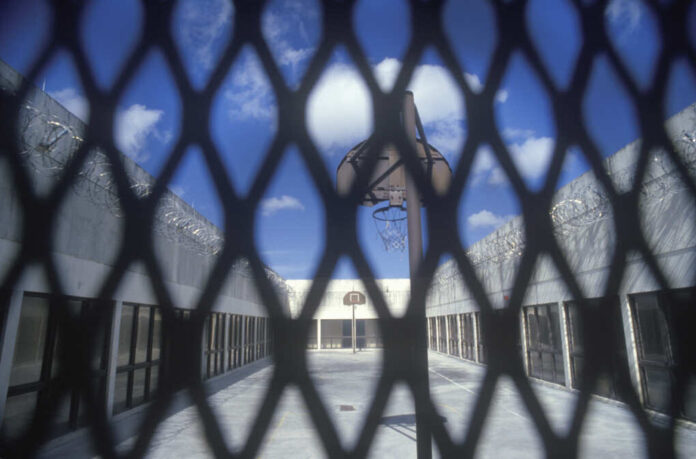
Hundreds of ISIS terrorists walked out of a Syrian prison as Kurdish forces abandoned their posts amid escalating clashes, leaving American troops dangerously exposed.
Story Snapshot
- Between 120 and 1,500 ISIS prisoners escaped Al-Shaddadi prison in northeastern Syria on January 19, 2026.
- The prison break occurred near a U.S. military outpost tasked with ISIS surveillance.
- Syrian government forces claimed recapture of most escapees, but U.S. officials confirm approximately 200 fighters remain unaccounted for.
- The chaos underscores the dangerous legacy of failed U.S. foreign policy in Syria.
Mass Prison Break Exposes Security Failures
Al-Shaddadi prison in northeastern Syria sat eerily empty on January 19, 2026, after ISIS detainees flooded out during intense fighting between Syrian government forces and the U.S.-backed Syrian Democratic Forces. CBS News reporters arriving at the facility found it abandoned, with Kurdish SDF guards having withdrawn as the Syrian Army advanced into the region. The escape occurred within proximity of American military installations tasked with monitoring ISIS threats, raising immediate questions about the safety of U.S. personnel and the effectiveness of detention operations inherited from the previous administration’s regional strategy.
Watch:
Conflicting Numbers Reveal Intelligence Gaps
Estimates of escaped prisoners vary wildly, reflecting the chaotic security environment. Syria’s Interior Ministry initially reported 120 ISIS fighters fled the facility, claiming most were quickly recaptured by government troops. The SDF countered with allegations that up to 1,500 detainees escaped, accusing Damascus of facilitating the breakout. U.S. military officials offered a middle assessment, confirming roughly 200 low-level ISIS operatives escaped, with many subsequently apprehended. These discrepancies highlight a troubling reality: nobody knows exactly how many trained terrorists now roam free
ISIS prisoners escape from Syria jail amid fighting
Syria: Scores of ISIS detainees escape from Al-Shaddadi prison
SDF claims 1500 detainees fled from prison@Mohammed11Saleh brings you more details pic.twitter.com/fublGn0pUI
— WION (@WIONews) January 20, 2026
Strategic Realignment Creates Dangerous Vacuum
The prison break stems from broader power shifts following Bashar al-Assad’s 2024 regime collapse and the rise of Ahmad al-Sharaa’s transitional government. Syrian forces launched offensives in early January 2026 to seize SDF-controlled territories, including areas surrounding critical detention facilities holding approximately 10,000 ISIS fighters across northeastern Syria. U.S. Ambassador Thomas Barrack publicly stated the SDF’s anti-ISIS mission has “largely expired,” signaling Washington’s acceptance of Damascus asserting control over prisons and the notorious al-Hol camp housing over 40,000 ISIS-affiliated individuals. This strategic pivot abandons Kurdish allies who shouldered frontline risks dismantling the ISIS caliphate by 2019, creating resentment and operational gaps.
Ceasefire Fails to Address Core Threats
A fragile ceasefire announced January 20, 2026, temporarily halted Syrian advances into cities like al-Hasakah and Qamishli, granting SDF four days to integrate with government forces. SDF spokesperson Farhad Shami warned that prisons like Ghwayran and al-Aqtan, holding thousands more ISIS detainees, face “extremely dangerous” conditions as fighting persists despite the truce. Syrian forces have secured Al-Shaddadi and al-Hol camp after SDF withdrawals, while the Kurds repelled assaults on remaining facilities. Over 134,000 civilians fled the violence by January 21, compounding humanitarian crises. The displacements and instability create ideal conditions for ISIS sleeper cells to regroup, threatening regional security and U.S. interests.
American Forces Face Escalating Risks
U.S. military outposts positioned near these prisons for ISIS surveillance now operate in a volatile power vacuum. SDF forces, feeling abandoned as Washington pivots toward Damascus, ceded strategic positions including the al-Omar oil field east of the Euphrates River. American airstrikes targeting pro-government tribal forces near al-Hol demonstrate ongoing threats to U.S. personnel. The unaccounted-for ISIS escapees, combined with radicalized populations in camps and prisons under contested control, represent a clear and present danger demanding decisive action to prevent another caliphate from rising.
Sources:
CBS News finds Syrian prison without its ISIS detainees as clashes intensify
2026 northeastern Syria offensive