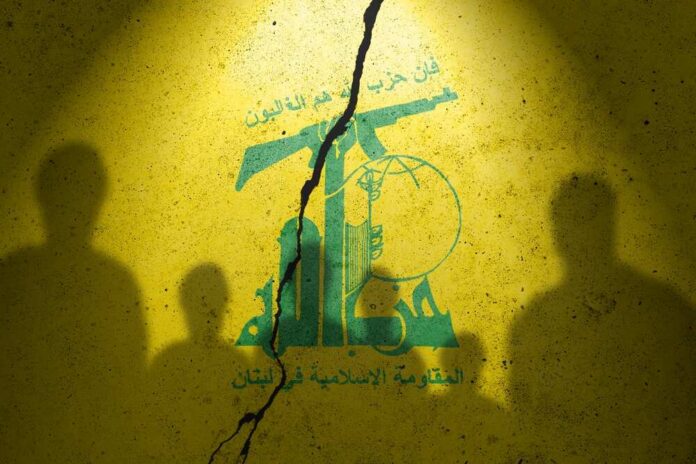
An alleged pinpoint strike that killed a Hezbollah commander in Beirut now risks a wider war that few citizens on either side can afford.
Story Snapshot
- Israel says it killed a senior Hezbollah commander in a precision strike in Beirut [1].
- Lebanon-based reports say several civilians were also killed or wounded [5].
- Hezbollah-linked sources and outlets confirmed a top operative’s death and vowed to respond [6].
- The competing claims follow a familiar clash of narratives in urban warfare [8].
What Israel Says the Strike Achieved
Israeli military officials said their forces carried out a targeted strike in Beirut that killed a senior Hezbollah figure involved in planning attacks on Israel. Reporting described the target as a top operative tied to intelligence and field operations against Israeli communities and troops [1]. Israeli officials framed the action as a defensive response to recent rocket and drone fire from Lebanon. They argued that removing a planner or commander can reduce cross-border attacks and protect civilians in northern Israel.
Officials also stressed the strike’s precision and intent to avoid broader conflict. They said the target was a legitimate military figure in a command role. These statements match a pattern seen in past flare-ups: Israel presents clear operational justifications and a named target, while claiming steps to limit harm to bystanders [1]. Supporters view such actions as necessary to deter further fire and to prevent Hezbollah from building stronger attack networks along the border.
What Local and Hezbollah-Aligned Sources Report
Lebanon-based reports said the blast killed and wounded more people than the single commander Israel named. Some outlets cited the Lebanese health ministry for casualty figures higher than Israel’s account [5]. Hezbollah-linked channels, and international broadcasts quoting them, mourned a senior figure and threatened a response. Those reactions signal that the group sees the loss as significant and that it will try to regain deterrence through retaliation, which risks a cycle of attacks and counterstrikes [6].
Residents in Beirut’s dense southern suburbs have seen this script before. Urban strikes can kill targets but also raise the chance of civilian harm. That turns every blast into a public test of claims from both sides. In that setting, casualty counts and even the target’s identity often remain disputed for days. Independent checks lag behind the first round of official statements, which shape early headlines and fuel anger on the street [5].
Why Competing Narratives Persist After Each Strike
War reporting in this theater often starts with clashing claims. Israel controls intelligence and targeting data. Hezbollah and local authorities control access to witnesses and hospitals. Each side presents a version that serves its aims. News outlets then carry those statements while verification catches up. This cycle has played out across many reported strikes on senior Hezbollah figures, including reports naming different commanders and roles in fast-moving updates [8].
That push and pull matters for more than headlines. Early narratives can drive pressure on leaders to escalate or pull back. They also affect how outside powers respond. When numbers are high or images are stark, calls for restraint grow. When the target is clearly tied to attacks, calls for deterrence grow. The truth usually lands somewhere concrete but delayed, after investigators sort identity, role, and the full toll [5].
Impact on Civilians and the Risk of a Wider War
Families in northern Israel shelter from rockets and drones. Families in Beirut fear blasts in crowded blocks. Every new strike raises the chance that a misstep pushes both sides into a larger fight. Cross-border trade, energy routes, and tourism all suffer when tensions rise. That pain reaches far beyond militants and soldiers. It hits small businesses, hospitals, and schools. It also feeds public anger that leaders and elites protect themselves while regular people absorb the risk and the bills.
BREAKING: Hezbollah Break Ceasefire – IDF STRIKE Beirut – IRGC To ATTACK… https://t.co/vC8iZwidBB via @YouTube
— supercommonsence (@SCSense2025) June 14, 2026
Americans watching from home see a pattern too. Leaders talk about precision and restraint, but the region inches closer to another war. Many on the right and left worry that Washington’s foreign policy class repeats old habits that drain resources and distract from problems at home. High prices, weak services, and distrust in institutions breed cynicism. When strikes overseas risk a bigger conflict, that cynicism hardens, because working families will pay if oil spikes or markets swing.
What to Watch Next
Watch for confirmed identity and role of the person Israel says it killed, based on multiple sources. Watch for Hezbollah’s choice of response, scale, and timing. Pay attention to casualty confirmations from neutral monitors, not just initial statements. Track whether cross-border fire slows or grows in the next seventy-two hours. Finally, look for signals from the United States and regional players on de-escalation. Clear steps to cool tensions could spare civilians on both sides from the next round [1][5][6][8].
Sources:
[1] Web – Major Blow to Hezbollah: IDF Eliminates Top Commander
[5] Web – IDF strike kills senior Hezbollah commander – Facebook
[6] Web – Israeli strike on Beirut kills senior Hezbollah commander
[8] YouTube – Hezbollah commander targeted during overnight Israeli Beirut strike