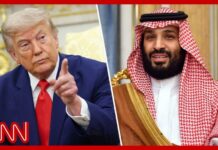
As Iran’s regime keeps pushing toward wider war, President Trump is now openly warning that the United States “will be taking Kharg Island” and putting Tehran’s oil lifeline on the line.
Story Snapshot
- Trump says the U.S. has already “totally obliterated” every military target on Kharg Island while sparing oil infrastructure for now.
- He is now threatening to seize the island and take control of Iran’s oil and gas exports if Tehran keeps attacking and choking the Strait of Hormuz.
- Kharg Island handles most of Iran’s crude exports, giving Washington a powerful lever over the regime’s cash and terror funding.
- Iran and some media outlets push back on U.S. claims, but hard battlefield data and access to the island remain tightly controlled.
Why Kharg Island Matters to American Patriots
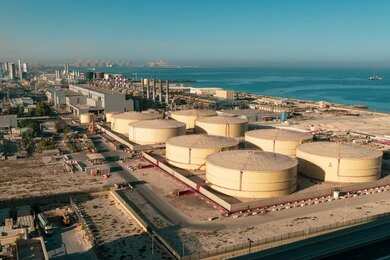
Kharg Island is not some random dot on the map; it is Iran’s main oil export hub, handling the overwhelming share of its crude shipments and thus most of the regime’s hard-cash lifeline. For decades, Tehran has used that money to fund terror groups, threaten Israel, and undermine American interests. Now, in the middle of the Iran war, Trump has turned Kharg into a pressure point instead of letting it stay a safe piggy bank for the mullahs.
U.S. bomber raids in March and April hit almost one hundred military sites on the island, including missile storage bunkers and naval mine facilities, but pointedly left the oil terminals, pipelines, and storage tanks standing.[1][5] Trump bragged that the United States had “totally obliterated every military target” while staying 100 yards away from the oil pipes “for reasons of decency,” stressing that Washington could have shut down Iran’s exports in a single night but chose not to—yet.[1][6][7]
Trump’s New Warning: ‘We Will Be Taking Kharg Island’
After those initial strikes, Trump hardened his language, telling reporters and interviewers that the United States could “knock the hell out of” Kharg Island again and even seize it outright.[1][2][4] In recent remarks, he warned that the United States will hit Iran “very hard” and that “we will be taking Kharg Island and other oil infrastructure points” to assume “total control” of Iran’s oil and gas markets if Tehran keeps attacking U.S. forces and threatening shipping lanes.[5] That threat directly links Kharg to the vital Strait of Hormuz, through which a large share of global oil moves, including energy supplies that affect prices for American families.[1][6]
Marine and naval analysts note that to truly take the island, the United States would either have to blockade and surround it or send in troops to hold it, since it sits only a few miles long and roughly 20 miles off Iran’s coast.[4] Experts told outlets like the Council on Foreign Relations and PBS that seizing Kharg would be a major escalation and would likely trigger fierce Iranian resistance, but they also acknowledge that control of the island would give Washington unmatched leverage over Tehran’s finances and its ability to fund regional proxies. For conservatives who believe in peace through strength, Trump’s message is clear: Iran can choose de-escalation, or it can watch its oil lifeline fall into American hands.
Did the U.S. Really Spare Iran’s Oil Infrastructure?
U.S. Central Command said the Kharg strike packages focused on clearly military targets, including naval mine depots, missile storage, and air defense assets, and that oil facilities were deliberately not engaged.[5] Multiple news outlets repeated that claim and reported that oil terminals, pipelines, and storage tanks were left intact, describing the operation as a show of force rather than an attempt to collapse Iran’s economy overnight.[2][4][7] Trump himself told PBS by phone that the island was “out of commission except for the pipes” and that he “did not want to hit the pipes” because they represented years of work and would be very hard to rebuild.[1]
At the same time, there is still no public, independent battle damage assessment showing exactly what was hit and what was spared on Kharg.[1] Most reporting leans heavily on U.S. officials or the White House rather than satellite forensics or on-the-ground inspections.[1][5][6] Iranian state-linked sources, meanwhile, insist that oil operations continued and that residents and workers were unharmed, even as they admit that air defense systems, a naval base, a control tower, and a helicopter hangar were struck on the island.[7] For readers who value transparency and limited government, this fog of war is a reminder that any administration—Republican or Democrat—needs to back its claims with verifiable facts whenever possible.
The Bigger War: Iran Strikes Back at U.S. Bases
Kharg Island is only one front in a wider shadow war where Iran has already targeted American bases across the region. An assessment cited by Military Times found that Iranian missiles and drones have hit at least seven U.S. installations in Bahrain, Qatar, Kuwait, Saudi Arabia, and the United Arab Emirates, damaging radars, satellite communication gear, and other systems that protect U.S. troops. A separate conflict tracker counted damage or destruction to more than two hundred pieces of infrastructure at American bases, forcing commanders in some locations to move personnel because facilities were no longer safe.
U.S. officials say Operation Epic Fury—this broader air and naval campaign—has struck nearly two hundred targets inside Iran, including missile, naval, and military infrastructure, and reduced Iranian ballistic missile launches by ninety percent and drone attacks by over eighty percent. Central Command recently confirmed more hits on Iranian ballistic missile facilities, releasing before-and-after imagery of sites tied to Iran’s missile program. In that context, Trump’s talk of taking Kharg Island fits a larger pattern: instead of endless half-measures, he is hitting the regime where it hurts most—its war machine and its oil cash—while still trying to avoid direct attacks on ordinary civilians.
What This Means for U.S. Security and Energy Prices
Think tanks like the Council on Foreign Relations have called Kharg Island Iran’s “oil lifeline” and a tempting U.S. target because so much of the regime’s export revenue flows through a single, exposed point. Satellite-based reporting has already shown Kharg’s oil jetties going empty and detected a large oil slick near the island, signs that the war is putting serious stress on Iran’s energy system and creating risks for the wider region. Experts warn that a full shutdown or seizure of Kharg could send oil prices higher in the short term, but it would also choke off funds for Tehran’s missiles and proxy militias over time.
For conservative readers at home, the core trade-off is clear. The Trump administration is using targeted force, not climate mandates or green fantasies, to shape global energy flows and protect American interests. It is signaling that Iran cannot both attack U.S. forces and enjoy free use of its main oil hub. At the same time, the lack of fully open damage reports from any side means citizens must keep demanding honest numbers, careful targeting, and a strategy aimed at victory—not another endless, open-ended conflict with no clear goal.
Sources:
[1] Web – Iran War Day 104: Trump Says, ‘We Will Be Taking Kharg Island’
[2] Web – U.S. Bombs Iran’s Kharg Island Military Targets, Threatens Oil …
[4] YouTube – US Carries Out Bombing Raid On Kharg Island; Claims “Total …
[5] Web – US bombs military targets on Kharg Island, a key terminal for Iran’s …
[6] YouTube – US strikes military targets on Iran’s Kharg Island
[7] Web – U.S. Embassy in Baghdad again urges Americans to leave Iraq as …