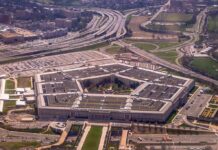
A lockdown inside the Pentagon over a hazardous materials scare showed how fast a small air-quality problem can turn into a major security event.
Quick Take
- Pentagon officials said systems detected an air quality issue and ordered precautionary action.[1][2][4]
- Arlington County fire and rescue officials said they were investigating a hazardous materials incident at the building.[2]
- Reports said people were evacuated from several floors, and some corridors were secured.[1][2][3]
- No source in the available record confirmed a specific substance or reported injuries.[1][2][4]
What Officials Said
Pentagon spokesperson Sean Parnell said the building’s systems detected an air quality concern that required precautionary steps.[1][2][4] Those steps included shelter-in-place orders and evacuation from affected areas while crews assessed the situation.[2][3][4] Arlington County fire and rescue officials said they were investigating a hazardous materials situation at the Pentagon, which is why the response moved quickly and visibly.[2]
The available reporting points to a real safety response, but it also shows how little was known at first.[1][2][4] News outlets described locked-down floors and emergency crews in protective gear, yet none of the cited sources identified a confirmed substance or explained the cause in technical terms.[2][3] That leaves the public with an early-stage emergency picture, not a final finding.
Why The Response Was So Broad
The Pentagon is not a normal office building. It is a major national security site with built-in safety systems and a large staff footprint.[1][2][4] When those systems flag a possible airborne hazard, officials tend to act first and sort out the details later. That approach may look abrupt, but it is the same logic used in other emergency settings where exposure risk is not yet clear.[1][2][4]
The conservative concern here is not panic. It is competence. People expect the federal government to protect workers and visitors without delay, but they also expect straight answers once the danger passes. In this case, the public record shows precautionary language, not a full explanation. That gap matters, because trust drops fast when officials use broad safety labels and do not quickly identify what triggered them.[1][2][4]
What Remains Unknown
The record does not show the exact source of the air-quality concern. It also does not show whether the issue came from a chemical spill, ventilation problem, equipment failure, or another cause.[1][2][4] The reports do show that emergency teams treated the matter seriously enough to secure space, move people out, and wear protective gear while they worked.[2][3]
#BREAKING | Pentagon put on lockdown over air quality issue; Hazmat teams respond
— WJBF (@WJBF) June 11, 2026
That is enough to say the incident was real and disruptive, but not enough to prove a larger hidden crisis. The strongest supported reading is simple: Pentagon officials and local responders took a possible airborne hazard seriously, used standard protection steps, and kept the public in the dark on the exact source while they checked it out.[1][2][4]
Sources:
[1] Web – Pentagon Floors on Lockdown Due to ‘Hazardous Materials Incident’
[2] Web – Pentagon on lockdown and staff evacuated over ‘hazardous materials …
[3] Web – Pentagon locked down as hazmat crews investigate building: officials – …
[4] Web – Hazardous materials scare at Pentagon prompts lockdown and evacuations