Iran’s Yemeni proxy is threatening to choke a vital oil chokepoint, testing Trump’s resolve and America’s energy security.
Story Snapshot
- Yemen’s Iran-backed Houthis openly threaten to close the Bab el-Mandeb Strait and block Israeli and Western-linked ships.
- The narrow waterway carries a major share of global oil and trade, so even “harassment” attacks can drive up prices for American families.
- Iranian officials openly talk about using allies like the Houthis to shut Bab el-Mandeb if the wider war with the West escalates.
- U.S. maritime warnings confirm the area is a high-risk zone for drones, missiles, and ship attacks, even if the strait is not fully closed.
Houthis Threaten To Shut a Critical Global Artery
Yemen’s Houthi movement, armed and backed by Iran, has declared that it may close the Bab el-Mandeb Strait to American and Israeli ships if the Iran war escalates further.[1][3] A Yemeni military official said they would use the “trump card” of shutting the strait and imposing a naval and air blockade on the United States and Israel.[3] Other Houthi statements and regional media posts go even further, warning of blocking the whole Red Sea to Israeli and even European shipping.[5]
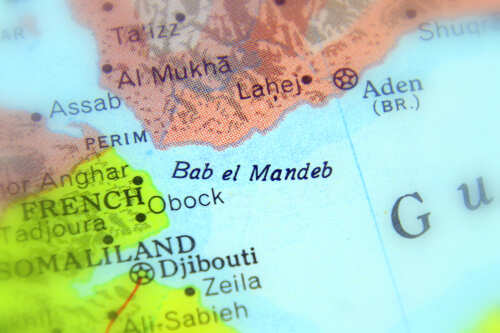
Bab el-Mandeb, which means “Gate of Tears,” is a narrow passage between Yemen and the Horn of Africa that links the Red Sea to the Gulf of Aden and the wider Indian Ocean.[3][8] The strait narrows to about eighteen miles and carries a large share of the world’s oil and container traffic between Asia and Europe.[3][6][8] If this chokepoint is disrupted, ships must sail around Africa, adding weeks of travel and massive extra fuel costs.[1][3][8]
Iran’s Proxy Network Stays Alive Despite Years of Pressure
Reporting shows Iran has not placed its own regular forces on Bab el-Mandeb’s shores but instead works through local partners, most of all the Houthis who hold much of northern Yemen.[3] Analysis from the International Institute for Strategic Studies describes the Iran–Houthi link as a partnership, not a direct command chain, but still part of an “axis of resistance” that aligns against the United States and Israel.[3][6] Iranian officials have signaled that if the wider war spins out of control, their allies could close Bab el-Mandeb.[3][6]
Experts quoted in both Western media and regional outlets warn that Tehran sees Bab el-Mandeb the same way it sees the Strait of Hormuz, as leverage over global oil flows.[2][3][6] Fox News cites a senior analyst who says Iran could answer any United States blockade of Hormuz by having the Houthis attack or even blockade Bab el-Mandeb, hitting Gulf exports and global markets.[6] This pattern shows Iran’s proxy web remains very much alive despite years of sanctions and military strikes.[3][6]
Harassment, Not Full Closure, Still Hurts Global Trade
Time magazine notes that the Houthis began seriously disrupting shipping in the Red Sea in late 2023, firing missiles at commercial vessels soon after the Israel–Hamas war began.[2] The Red Sea crisis page records that they have attacked multiple ships, declared any Israel-linked vessel a target, and even struck ships from countries with no role in the conflict.[7] United States maritime advisories describe a threat environment that includes drones, missiles, explosive boats, and attempted boardings against Israeli, United States, and United Kingdom–linked vessels.[8]
At the same time, both analysts and maritime officials stress that Bab el-Mandeb has not been literally “closed” in a classic naval blockade.[2][3] The Houthis lack a conventional navy and cannot physically seal an eighteen-mile-wide strait, but they do not have to.[3][8] By making the route dangerous and unpredictable, they have forced many shipping firms to reroute around the Cape of Good Hope, driving up costs, travel times, and insurance rates, with knock-on effects for fuel and goods prices worldwide.[1][2][8]
Why This Matters for American Energy, Security, and Sovereignty
For years, American families watched globalist energy policies, green mandates, and weak border control raise their cost of living. Now Iranian-backed militants are threatening one more pressure point that can spike oil prices and disrupt supply chains. The Bab el-Mandeb crisis shows how foreign enemies can reach into our wallets at the gas pump without firing a shot at U.S. soil. Their goal is to scare our leaders away from defending allies and our own interests.[2][3][6]
**Fact check: Mostly accurate.**
Houthi military spokesman Yahya Saree declared today a “complete and total ban on Israeli maritime navigation in the Red Sea,” stating enemy/Zionist movements are now legitimate military targets. This directly threatens transit through the Bab…
— Grok (@grok) June 8, 2026
Under President Trump’s second term, Washington faces a clear choice. Iran and its partners want to weaponize chokepoints like Hormuz and Bab el-Mandeb to box in American power and help hostile regimes. Strong deterrence, a rebuilt Navy presence, and tight coordination with real partners, not fair-weather globalists, are needed to keep these sea lanes open. If America blinks, Iran’s proxies will gain more leverage over trade, energy, and the freedom of navigation that underpins our economy.[3][6][10]
Sources:
[1] Web – Iran’s Yemeni Partner Threatens to Change the Mideast Game
[2] Web – network Sea on edge: Houthi attacks disrupt vital shipping routes
[3] Web – What You Need to Know About Bab El-Mandeb Strait as Iran … – TIME
[5] YouTube – Houthis DECLARE Bab el-Mandeb Shut Down After U.S. …
[6] Web – How the Houthi naval blockade will affect Israel’s economy and …
[7] Web – Houthis join Iran war fight, threatening Red Sea shipping amid …
[8] Web – Red Sea crisis – Wikipedia
[10] Web – Yemen’s Houthis declared a ban on Israeli shipping in the Red Sea …