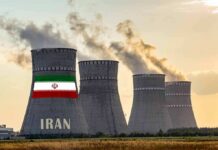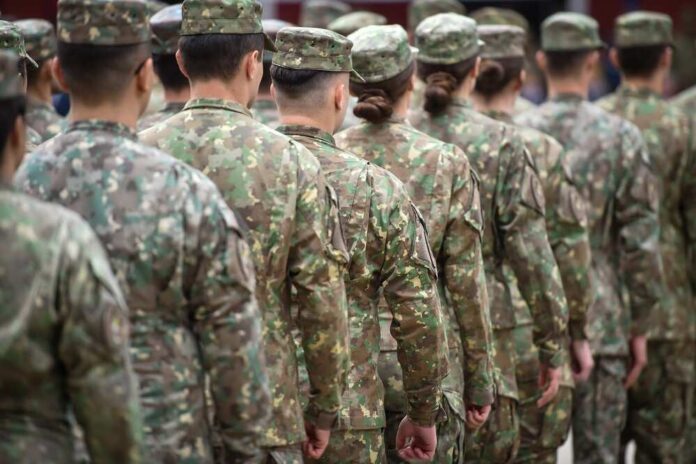
The Pentagon is preparing to deploy 3,000 combat troops from the 82nd Airborne Division to the Middle East as the war with Iran escalates beyond airstrikes to potential ground operations—a stark betrayal of President Trump’s promise to keep America out of new wars.
Story Snapshot
- Pentagon plans to send 3,000 troops from 82nd Airborne’s Immediate Response Force to Middle East for potential ground operations against Iran
- U.S. already destroyed 9,000 Iranian military targets since February 28, yet conflict continues to escalate with Iran blocking Strait of Hormuz
- Proposed mission includes seizing Kharg Island, Iran’s primary oil export center, requiring long-term occupation of Iranian territory
- Trump postponed power plant strikes citing peace talks, but Pentagon simultaneously prepares major troop deployment adding 3,000 to existing 50,000 forces
- Gas prices spiral from Iran’s blockade of critical oil shipping route while Americans question another regime change war
Pentagon Escalates to Ground War Despite Peace Talk Claims
The Department of Defense is preparing to deploy approximately 3,000 soldiers from the 82nd Airborne Division’s Immediate Response Force to the Middle East, marking a dramatic escalation from airstrikes to potential ground combat operations. This deployment follows nearly one month of U.S. military strikes against Iranian forces that began February 28, 2026. Pentagon officials are weighing two operational scenarios: a direct airborne assault on Kharg Island or a coordinated operation with the 31st Marine Expeditionary Unit already en route to the region. The 82nd Airborne can deploy globally within 18 hours, providing rapid response capability for seizing and holding strategic Iranian infrastructure.
Iran Blockade Chokes Global Energy While America Wages Another War
Iran has blocked the Strait of Hormuz in response to U.S. airstrikes, cutting off approximately one-fifth of the world’s oil supply and sending gas prices soaring for American families already struggling with inflation. U.S. Central Command reports destroying more than 9,000 Iranian military targets, including missile launchers, naval assets, and defense infrastructure, while also killing dozens of regime leadership. Yet Iran continues drone and ballistic missile attacks on Israel and other regional allies, demonstrating that overwhelming air superiority has not ended the conflict. The proposed seizure of Kharg Island aims to restore Iranian oil exports under U.S. control, theoretically stabilizing energy markets, but such occupation would require sustained military presence and resources.
Mission Creep Threatens Long-Term Occupation and Endless Commitment
Military analysts note that seizing Iranian territory represents a fundamental shift from airstrikes to occupation, creating long-term commitments that echo previous Middle Eastern conflicts. The 82nd Airborne paratroopers can arrive rapidly but lack armored vehicles for protection against counterattacks, while Marines possess combat engineering capabilities to restore damaged infrastructure but cannot sustain prolonged operations. Either scenario requires follow-on forces, logistics chains, and ongoing resource allocation that could trap America in another decades-long commitment. The United States already maintains 50,000 troops in the region, and adding ground forces to hold Iranian oil infrastructure would expand both the financial burden and casualty risk significantly beyond current airstrikes.
Trump Promises Peace Talks While Pentagon Prepares Ground Invasion
President Trump announced on March 24 that he was postponing threatened strikes against Iranian power plants due to progress toward a peace deal, yet Tehran denies any direct negotiations are occurring. This diplomatic ambiguity comes as Pentagon officials simultaneously prepare major ground force deployment, raising questions about whether peace talks are genuine or merely political cover for escalation. The contradiction between peace negotiations and invasion planning undermines confidence in the administration’s strategy and recalls previous administrations’ failed promises to avoid regime change wars. For Trump supporters who backed his 2016 pledge to end endless wars, this deployment represents exactly the kind of mission creep and Middle Eastern entanglement they voted against, especially as Americans pay spiraling gas prices for a conflict that continues expanding despite massive destruction of Iranian military capabilities.
Pentagon Reportedly Preparing to Send 3,000 Airborne Troops to Middle East
READ: https://t.co/QTuKrUyWcm pic.twitter.com/ZchlvySmK6
— The Gateway Pundit (@gatewaypundit) March 25, 2026
The deployment decision ultimately rests with Trump as Commander-in-Chief, who must weigh military objectives against his campaign commitments and the war-weariness of his base. Holding Iranian oil infrastructure could provide leverage in negotiations and potentially stabilize energy markets, but it also risks American casualties, financial drain, and diplomatic complications that could undermine peace efforts. The 82nd Airborne has demonstrated rapid deployment capability in previous operations from Baghdad to Afghanistan to Ukraine, yet none of those missions involved sustained occupation of adversary territory. Conservative voters who supported Trump’s America First agenda now watch another potential ground war unfold in the Middle East while questioning whether protecting foreign oil infrastructure serves American interests or simply repeats the mistakes of Iraq and Afghanistan.
Sources:
Pentagon Prepares to Send Another 3,000 Troops to Middle East – Politico
Part of 82nd Airborne Division Poised for Middle East Deployment – WRAL/AP
Pentagon Weighs Sending in 3,000 Troops to Help Iran War – The Independent