
More than 40 countries publicly pressed the Taliban to end bans on girls’ schooling and women’s work, warning that Afghanistan cannot prosper while half its people are shut out.
Story Highlights
- Over 40 nations urged the Taliban to lift all limits on women and girls.
- United Nations statements say peace and growth are impossible without these rights.
- Human rights groups document ongoing, systemic restrictions since 2021.
- The Taliban claim their rules follow their view of Islamic law.
Coordinated Diplomatic Pressure Intensifies
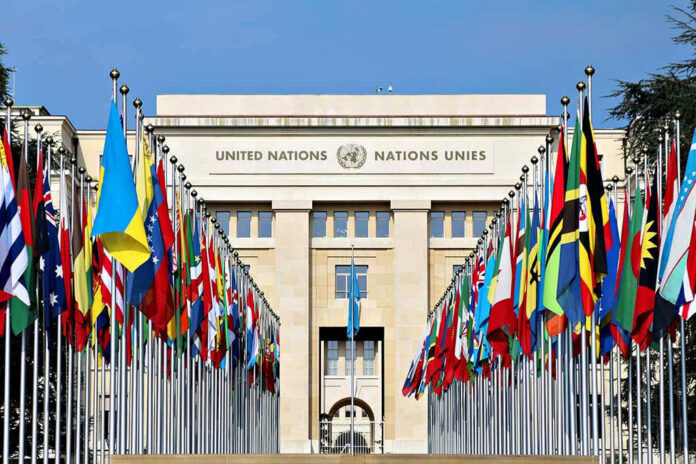
Representatives from more than 40 countries used a joint statement at the United Nations to demand the Taliban reverse limits on education, work, and public life for women and girls. The message said the world sees “systematic repression,” and urged stronger backing for accountability. Reuters reported that the group included major allies from Europe, Asia, and the Middle East, signaling a broad front, not a niche bloc. The appeal added to similar statements issued across recent sessions and observances.
United Nations officials tied the restrictions to Afghanistan’s stalled future. The Associated Press reported that the United Nations Security Council warned the Taliban that peace and prosperity are out of reach while bans remain on schooling and jobs for women and girls. This line reflects a wider view among United Nations agencies that the rules are not isolated. They are part of a system that cuts women off from basic rights and daily life.
Documented Pattern Of Restrictions Since 2021
United Nations reporting says the Taliban have passed well over one hundred orders that affect how women learn, work, travel, seek care, and speak in public. These orders add up to a wall that blocks access to school and many jobs. United Nations News summarized that five years after the takeover, the rollback of rights is deep and ongoing. Human Rights Watch also states the authorities have continued to strip fundamental freedoms from women and girls since 2021.
Government statements from allied nations echo that record. A United States Mission joint statement condemned “systemic gender discrimination” and urged quick reversal of restrictive policies. The statement framed women’s rights as core human rights that must be upheld to stabilize the country’s future. Similar messaging appeared in other multilateral remarks tied to women, peace, and security principles during United Nations events in 2026. These statements aim to raise costs for noncompliance.
Taliban Response And The Limits Of Outside Leverage
Taliban officials say their policies follow their interpretation of Islamic law and Afghan culture. Reuters noted that Taliban figures argue they respect women’s rights under their own religious view, which they claim should guide policy rather than international pressure. That stance has held over years of outside criticism. It shows why coordinated pressure has not yet led to policy change, despite repeated warnings from United Nations bodies and many governments.
For readers at home, the split is clear. Many nations say barring girls from school and women from work breaks basic rights and undercuts stability. The Taliban say their rules are lawful under their system. That leaves millions of Afghan families caught in the middle. The shared concern across left and right here is trust in institutions. When global bodies speak loudly but cannot shift facts on the ground, people question whether elites can, or will, deliver results.
Why This Matters For Security, Aid, And The Economy
United Nations officials and allied governments link women’s rights to national outcomes. Losing half the talent pool hurts health systems, schools, and businesses. It also weakens family income and raises poverty risks. Reuters described the call for donors to keep support flowing to Afghan women through safe channels, while pushing the Taliban to open classrooms and workplaces again. The stakes are not abstract. They shape food security, growth, and the chance for a stable future.
What To Watch Next
Diplomats will press for steps that can be verified, like reopening secondary schools and universities to girls and women. Human rights groups will track any decrees that loosen or tighten rules. Governments may weigh targeted measures tied to progress or backsliding. The core facts are established by named sources. What remains uncertain is timing and will. Until policies change, the chorus of statements will grow, but the daily lives of Afghan women may not improve soon.
Sources:
international.gc.ca, un.emb-japan.go.jp, usun.usmission.gov, news.un.org, kabulnow.com, reuters.com