Missouri’s top prosecutor has ordered ActBlue to hand over records by October 8 as the state probes alleged foreign-sourced and fraudulent donations funneled through the platform.
Story Snapshot
- Missouri issued a civil investigative demand to ActBlue with an October 8 deadline.
- The probe centers on suspected Missouri consumer-law violations tied to foreign money and gift cards.
- Investigators want to know if questionable funds reached any Missouri campaigns or committees.
- ActBlue says it reviews every donation and rejects those that fail its standards.
What Missouri Officials Are Investigating
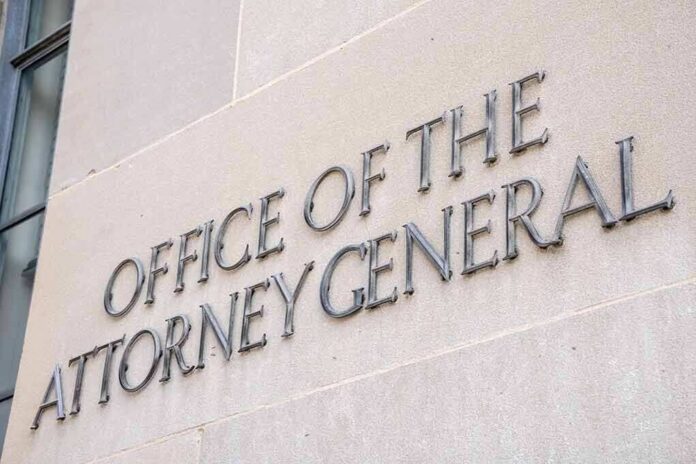
Missouri Attorney General Catherine Hanaway announced an investigation into ActBlue on September 25, citing suspected violations of the Missouri Merchandising Practices Act, which covers fraud, misrepresentation, and unfair practices. The state issued a civil investigative demand seeking documents on donation processing and fraud controls, with a 10 a.m. Central Time deadline on October 8. The office says it is probing reports that weak verification may have allowed foreign sources and fraudulent donors to route money through the platform.
The Attorney General’s office also flagged prepaid or gift cards as a risk point, calling them a hard-to-trace method sometimes used by foreign donors to mask their identity. Investigators say they will examine whether any funds tied to fraud were sent to Missouri campaigns, offices, or committees. The move puts a major national fundraising hub for Democrats under state scrutiny during an active election season, which raises the stakes for both compliance and public trust in small-dollar giving.
ActBlue’s Response and What Is Known So Far
ActBlue has denied wrongdoing in press coverage and framed the timing as political, while stressing that it reviews every contribution and rejects those that do not meet its standards. The organization says it uses an established external fraud-prevention tool and conducts manual reviews when donations are flagged. At this stage, Missouri officials have not named a specific donor, campaign, or transaction tied to illegal contributions in the state, and no public forensic payment data has been released to verify the alleged schemes.
That leaves the public record centered on the fact of the investigation and the state’s stated theories, not confirmed misconduct. The Attorney General’s release uses conditional language such as “could have” and “it is also suspected,” which signals an early probe rather than final findings. Skeptics on the left see election-year politics. Skeptics on the right see a long-running pattern of lax controls. Both sides point to the same gap: the proof will live in payment logs, verification policies, and any refunds or chargebacks Missouri uncovers.
Why This Fight Taps a Shared Nerve
Missourians across the spectrum worry that powerful platforms play by different rules. Conservatives fear foreign influence, identity abuse, and gift-card workarounds that warp elections. Liberals fear dark money, weak oversight, and a process that leaves regular people behind. This probe touches both sets of concerns. If the state finds bad donations slipped through, trust in online fundraising erodes. If the claims fall flat, trust in government watchdogs suffers. Either way, the public wants clear answers rooted in verifiable records.
The Missouri Merchandising Practices Act gives the Attorney General consumer-protection tools beyond standard election-law channels, which could widen the range of documents and testimony the office seeks. Investigators can compare state campaign filings with ActBlue remittances and payment-processor data to spot suspect patterns. They can review policies for screening prepaid cards and foreign addresses and test whether controls worked in practice. These steps, if disclosed, would offer the concrete detail that voters and donors have waited to see.
What To Watch Next
First, watch whether ActBlue meets the October 8 deadline and how fully it cooperates with Missouri’s records demand. Second, look for any named Missouri transactions that show money from foreign sources or donations made without a person’s knowledge. Third, track whether the Attorney General releases documents, sworn statements, or data that confirm or rebut the claims. Finally, expect court fights over scope and confidentiality if the state pushes for deeper access to systems and logs.
🚨BREAKING: The state of Missouri is investigating Democratic fundraising platform ActBlue to determine whether fraudulent contributions were made to political campaigns and offices in the state.
Missouri Attorney General Catherine Hanaway (R) announced the probe on Friday,… pic.twitter.com/ujsaKsVCDS
— Off The Press (@OffThePress1) September 25, 2026
For donors, the stakes are simple but serious. People want their $10 or $20 gifts to be legal, traceable, and tied to their will—not to a spoofed identity or an offshore wallet. For campaigns, clean lists and clean money matter. For the state, this is a test of whether public institutions can still police powerful, tech-driven fundraising without fear or favor. The next disclosures, not the press releases, will decide that question.