A formal notice says preventable security gaps let a rooftop gunman kill a invited campus speaker at Utah Valley University.
Story Snapshot
- The family filed a notice of claim alleging avoidable security failures by Utah and Utah Valley University.
- Reports say only six campus officers handled about 3,000 attendees, with no written plan or briefing.
- Turning Point USA allegedly warned about rooftop access; the police chief replied, “I got you covered”.
- Utah’s immunity law could limit or block a wrongful-death lawsuit even if errors are proven.
What the Family Filed and Why It Matters
On September 9, the family sent a notice of claim to Utah officials and Utah Valley University. The filing preserves their right to sue a public entity and signals a wrongful-death case over alleged security lapses at a large campus event. Under Utah law, a notice is a required first step before a lawsuit against a state entity. This procedural move keeps damages on the table while investigators and lawyers gather records and statements.
The family’s lawyers say the event lacked basic protections for a high-risk crowd and speaker. Reports citing the notice say Utah Valley University had no written security plan and held no pre-event security briefing. Coverage also says only six campus police officers were assigned to manage about 3,000 people. Those claims paint a picture of thin staffing, light planning, and slow coordination for a known target environment.
Alleged Missed Warnings and Rooftop Access
Media summaries of the notice say Turning Point USA warned university police about rooftop access near the stage. The Utah Valley University police chief allegedly replied, “I got you covered,” yet the rooftop remained accessible and became the attack point. If accurate, that exchange could weigh on foreseeability and reliance, two concepts important in negligence cases. The allegation frames the shooting as preventable with stronger access control or elevated overwatch.
Reports tied to the notice also claim requests for more officers were denied and that local police support was not secured ahead of time. Together, these claims suggest a missed chance to scale resources to the threat. The family argues better planning, more officers, rooftop control, and medical staging could have reduced or stopped the harm. The university has not publicly rebutted specifics and has referred questions to its legal process.
What Is Proven, What Is Alleged, and the Legal Road Ahead
The public record so far is the notice of claim and media coverage that quotes it. These are allegations, not court findings. No judge has ruled on fault, causation, or damages. Utah Valley University has said it is aware of the filing and will address it through established processes. That limited response leaves the family’s narrative leading public debate until discovery and sworn testimony fill in the gaps.
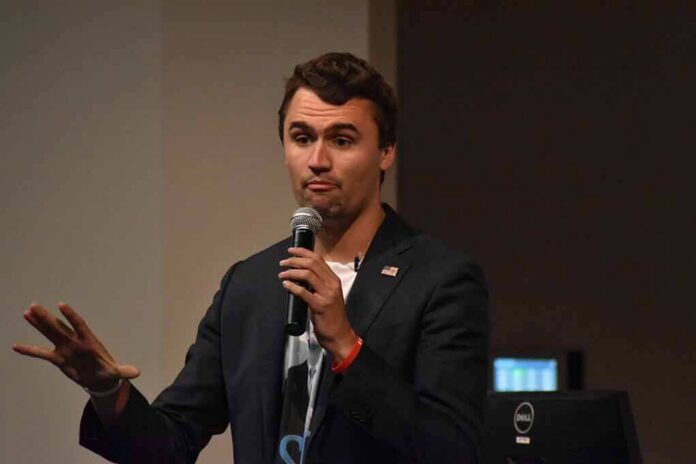
Charlie Kirk's family filed a wrongful death claim against Utah Valley University over alleged security failures leading to his assassination — but Utah's government immunity law could block the entire case, even if the family proves recklessness.
Legal experts say the state's… pic.twitter.com/GjSK4RpnSb
— Fox News Politics (@foxnewspolitics) September 19, 2026
Utah’s Governmental Immunity Act could shape the outcome before any jury hears facts. Legal analysts note the law shields state entities for many discretionary choices, including how to deploy police and manage events. That means even strong-sounding negligence claims can fail if a court finds the decisions were protected policy judgments. The family can still argue operational negligence, but crossing that legal line is hard under Utah precedent.
Why This Resonates Beyond One Campus
Parents, students, and taxpayers see a familiar pattern: big promises, thin plans, and finger-pointing after tragedy. Conservatives blame a culture that downplays known risks and chokes security with bureaucracy. Liberals see public institutions stretched thin and reactive rather than prepared. Both sides worry that powerful agencies face few consequences when preventable gaps cost lives. If immunity blocks a trial, many will read that as the system protecting itself, not the public.
What to Watch Next
Watch for the full notice text, any rooftop-access emails, and the event security plan, if one existed. Look for radio logs, camera footage, and staffing rosters that confirm or undercut the six-officer claim. Expect motions that test immunity early; those rulings may decide the case. If the court allows discovery, sworn testimony from the police chief, university leaders, and Turning Point USA security could clarify who knew what, when, and what they did about it.
Sources:
heraldextra.com, deseret.com, inquirer.com, uvureview.com