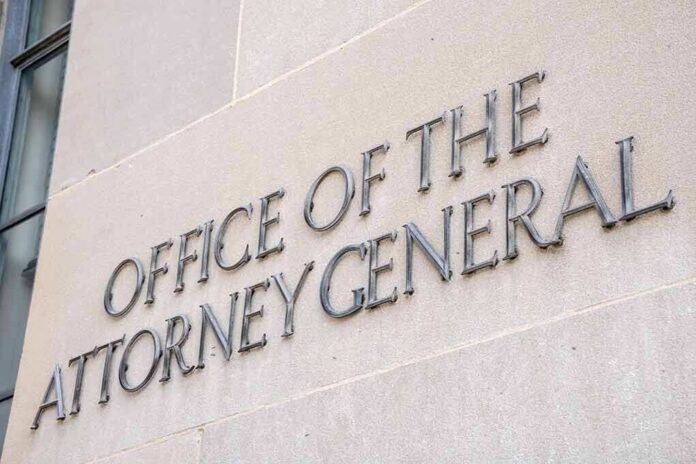
A sitting U.S. attorney warned Senator Elizabeth Warren that planned congressional probes could violate Americans’ civil rights if used to punish Trump allies, and ordered her team to preserve records.
Story Snapshot
- U.S. Attorney Aaron Reitz sent Warren a preservation and warning letter tied to her public push for “serious” investigations.
- The letter cites federal civil-rights risks if probes target people for political ties, with potential legal consequences for noncompliance.
- Warren publicly framed her focus as investigating alleged cheating and fraud, not political association.
- No official copy of the full letter is published by the Justice Department yet, and Warren has not publicly responded.
What Triggered the Warning Letter
U.S. Attorney Aaron F. Reitz sent Senator Elizabeth Warren a formal litigation-hold and warning letter on November 15, 2026. Reports say the letter directed Warren, her Senate staff, consultants, and campaign aides to preserve documents and messages tied to possible plans to investigate people linked to President Trump. The notice set a deadline for written confirmation and warned of sanctions for failures. The reported trigger was Warren’s public pledge of “serious” investigations.
On CBS’s Face the Nation one week earlier, Warren said that people who made profits by cheating families and scamming investors should expect “serious” investigations. When asked whom she meant, she answered, “anyone who’s been cheating.” Her words drove headlines on the left and the right. Supporters cast them as basic oversight. Critics called them a plan to target political foes. Both sides rallied online, which raised the stakes fast.
The Legal Theory and Its Limits
Reitz’s letter, as described in reports, warned that using Senate power to single out private citizens or companies for political association could violate the right of association. Accounts say the letter cited federal civil-rights laws, including 18 United States Code Sections 241 and 242, and warned that misuse of authority could bring legal exposure. These reports do not include a public legal memo or case law showing how those criminal statutes would apply in this setting.
The record so far does not show that Warren launched an investigation based only on political ties, issued subpoenas, or punished anyone. The dispute sits at the warning stage. That matters. Criminal civil-rights charges require proof of specific actions and intent. The claims here concern possible future conduct. Without official documents, a target list, or a committee plan, the legal fight remains hypothetical. That gap leaves the public to parse quotes and media summaries.
What Warren Says Her Investigations Target
Warren’s office describes its oversight mission as rooting out waste, fraud, and abuse in government and the private sector. Recent releases show inquiries touching Trump-linked people or firms but framed around alleged corruption, insider trading, or special treatment on taxes or contracts. For example, Warren, Senator Chuck Schumer, and Senator Ron Wyden pressed whether an Internal Revenue Service settlement shielded Trump-affiliated companies from enforcement, and some firms denied receiving such protection.
Warren and Senator Jeff Merkley also asked the White House about claims that a former Trump aide used advance knowledge of presidential remarks to profit on prediction markets. In another matter, Warren and other lawmakers flagged reports that a White House adviser pushed a fast-track process for a large Defense Department loan tied to a company linked to Donald Trump Jr. These efforts target alleged misconduct, not association alone, according to Warren’s releases.
Why Both Sides See a Bigger Fight
Americans across the spectrum see a government that often serves insiders first. That fear grows when legal tools appear to shift with the political winds. Supporters of Warren view tough oversight as a check on fraud and favoritism. Supporters of Trump view Reitz’s warning as a needed brake on partisan hit jobs. The facts show a narrow zone of agreement: oversight is vital, but punishing people for their views or their associations would break core rights.
The Trump DOJ just sent a WARNING to Elizabeth Warren and ordered her to preserve her records over threats to illegally use her investigation powers to intimidate anyone who has worked with the President.
This would be in violation of 18 U.S.C. §§ 241 and 242, conspiracy to… https://t.co/LXgOAG3ReD
— Benny Johnson (@bennyjohnson) November 15, 2026
History shows congressional investigations surge during sharp partisan conflict. Expert studies and congressional guides note that politics shape oversight, even as the Constitution protects the process and the First Amendment limits abuse. That tension is the backdrop here. Clear rules help: publish the full letter, define any committee plans, and show evidence. Sunlight will help the public judge whether this is oversight aimed at real misconduct or a misuse of power.
Sources:
redstate.com, aa.com.tr, rawstory.com, warren.senate.gov, cdm.press, thedailybeast.com, tafs.uz, brookings.edu, congress.gov