U.S. intelligence reportedly flagged a suspected Chinese spy tied to Nvidia’s CEO, forcing a formal board probe into risks that reach from the chip giant’s C-suite to American national security.
Story Highlights
- Nvidia’s board launched an independent investigation into reported foreign-intelligence targeting of CEO Jensen Huang.
- Reports say Alice Huang was identified by U.S. intelligence as a Chinese spy linked to Huang; China denies this.
- The probe intersects with U.S. export controls and Nvidia’s China sales, raising policy and governance questions.
- Nvidia says it has no evidence that national security or company secrets were compromised, but the review continues.
What Triggered Nvidia’s Internal Investigation
Nvidia’s board said it opened an inquiry led by independent directors and outside counsel after reports that CEO Jensen Huang was targeted by a foreign intelligence operation. The board stated it had no reason to believe national security or company secrets were compromised, but it would examine all available information. The move formalizes a corporate response to claims that Alice Huang, who reportedly had a relationship with Huang, was tied to Chinese intelligence, according to media accounts citing U.S. officials.
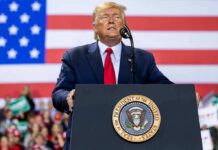
China’s Foreign Ministry rejected the allegations as an “unsubstantiated” smear campaign, pushing back on the reported intelligence assessment. President Trump publicly signaled support for Huang and said the CEO told him he “didn’t know” about any alleged spy plot, framing the matter as contested in the political arena while the facts remain under review. These reactions underscore how national-security stories can get pulled into partisan narratives before investigations conclude.
Why This Goes Beyond One Executive’s Private Life
The case reaches into policy because Nvidia’s chips are central to the race for artificial intelligence leadership. Reports say U.S. officials have probed whether a firm called Megaspeed helped steer advanced Nvidia chips toward China, while separate reporting tied Alice Huang to intelligence collection about Huang and Nvidia. The Atlantic described how Huang publicly opposed tougher limits on exports to China, which made any foreign effort to study or sway Nvidia’s stance more sensitive. The overlap raises real governance stakes.
At the same time, the record has gaps. No public indictment, declassified memo, or court filing proves Alice Huang’s recruitment or tasking by Chinese services. Nvidia’s board also says it has no evidence of leaked secrets or compromised national security to date. That mixed picture supports two points at once: these are credible risks that demand scrutiny, and the strongest claims still rely on unnamed sources and undisclosed intelligence.
The Policy Collision: Export Rules, Market Power, and Oversight
U.S. export controls aim to block advanced chips from fueling China’s military and surveillance goals, but they also reshape trade and corporate incentives. Analysts describe how controls can drive workarounds, like routing chips through third countries or offering remote access to computing hosted abroad. Nvidia faces this terrain as one of the most valuable firms on Earth, which means any hint of policy capture, diversion risk, or insider targeting lands with outsized impact on markets and national strategy.
(Nvidia CEO Jensen Huang faces a crisis of trust after acknowledging an extramarital affair with a woman suspected of ties to Chinese intelligence. Harvard Business School professor Sandra Sucher explains why breaches of integrity are particularly difficult to repair, what makes…
— Prof. Jayanta K Nanda (@drjknanda) November 12, 2026
Huang’s public comments show the commercial side of the collision. He has argued that strict limits could weaken U.S. firms and speed Chinese substitutes, while saying Nvidia follows U.S. law and defers policy choices to the administration. Nvidia’s filings also explain that restrictions apply to certain chips and related tools, not all China-linked activity. That stance does not answer the espionage claims, but it explains why government, investors, and rivals are watching the board’s findings.
What Readers Should Watch Next
First, watch for any official document. A declassified memo, a court filing, or a board report would move this from leaked claims to verifiable facts. Second, look for concrete steps by Nvidia’s board on controls around executive access, risk monitoring, and China-facing decisions. Third, track U.S. export-control enforcement actions tied to Megaspeed or similar channels. Real checks and clear records, not spin, will show whether institutions learned from this scare.
Sources:
theatlantic.com, nbcnews.com, cnn.com, npr.org, nytimes.com, pbs.org, abc7ny.com, afp.com, fortune.com, sec.gov, chosun.com