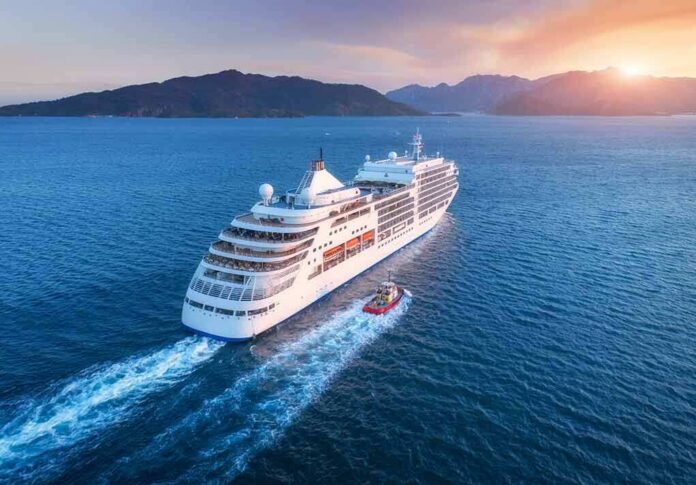
A 990-foot American icon was intentionally sunk off Florida to form what organizers call the world’s largest artificial reef.
Story Highlights
- Okaloosa County led the planned sinking of the SS United States about 20 miles off Destin-Fort Walton Beach.
- Crews stripped hazards, cut large access openings, and prepared the ship for safe reef use over more than a year.
- Woods Hole scientists will track water, microbes, and marine life at over 100 marked spots on the wreck.
- Officials hope for gains in diving, fishing, and tourism, though benefits will take time to measure.
Ship Sunk To Create A Massive Artificial Reef
Okaloosa County confirmed the SS United States was deliberately sunk on November 11, 2026, at a permitted Gulf site roughly 20 nautical miles south of Destin-Fort Walton Beach. Officials and local partners presented the 990-foot wreck as the world’s largest artificial reef, setting a new draw for technical divers and anglers. The project capped years of planning and legal steps that allowed towing and deployment after final clearances earlier in the week. The ship now rests about 180 feet below the surface.
County materials linked the reef to local fishing and diving industries, which already anchor much of the area’s tourism. News outlets described the site as a new scuba destination that could expand charter trips and offshore visits. Those outcomes depend on safe access and skill levels, since the depth requires advanced diving training. Organizers said the scale and profile of the wreck should attract attention from around the country once conditions stabilize.
Extensive Environmental And Structural Preparation
Project teams spent more than a year removing potential contaminants, cleaning tanks, and modifying the ship to meet environmental and safety goals. Crews cut ten-foot square openings through multiple decks to allow water flow and safe entry points, and removed more than 400 portholes to reduce hazards and looting risks. Those steps are standard for artificial reef conversions and aim to speed marine growth while limiting trapped debris. Officials described the process as rigorous and sequenced before any offshore move.
Media briefings explained how the sinking would proceed in a controlled window, using pre-cut vents and measured flooding to place the hull upright on the seafloor. Divers and remotely operated vehicles will later confirm orientation, depth, and stability. Those checks will guide published maps that show access routes and no-go zones for safety. County planners say a formal post-sinking survey will document the ship’s final condition and help captains and technical divers plan trips responsibly.
Long-Term Science Will Track What Grows — And How Fast
Woods Hole Oceanographic Institution said researchers will study how life colonizes the steel, how water chemistry changes, and how microbes shape early growth on the wreck. The team marked about 132 locations across the ship to gather yearly samples and photos, creating a time series for the site. The program focuses on the core question behind artificial reefs: when fish gather around a structure, does the site create new production or only attract life from nearby waters?
🇺🇸 The SS United States has been deliberately sunk off Florida, ending the ocean-going life of the once-fastest ship afloat.
The former luxury liner was sunk off Florida's Gulf Coast to become the world's largest artificial reef.
The ship's role has shifted from transportation…
— Ahmad Shah Mohibi (@WarGuy_) November 12, 2026
Prior studies show artificial reefs can host fish density and biomass similar to natural reefs, but the mix of attraction and new production still varies by site and design. That is why the SS United States will be tracked for years, not weeks. Officials expect early growth by algae and small invertebrates, followed by larger organisms and fish. County and tourism leaders hope those changes will support local businesses, but hard numbers on trips, catches, and revenue will need careful, public reporting.
Sources:
military.com, myokaloosa.com, whoi.edu, newsweek.com, destinfwb.com, providencejournal.com, pnj.com, abc7ny.com