Trump’s admission that Israel no longer has “total control over Congress” signals an unprecedented shift in Washington power dynamics.
Story Snapshot
- Trump publicly acknowledges Israel’s waning influence in Congress after decades of bipartisan support.
- Progressive Democrats are driving criticism of Israel, reshaping foreign policy and U.S. aid debates.
- Congressional polarization over Israel signals erosion of traditional alliances and increased scrutiny of U.S. military aid.
- The shift raises concerns about government overreach and threats to constitutional principles.
Trump’s Admission: Israel’s Declining Congressional Power
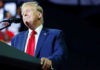
In a candid July 2025 interview, President Trump surprised many by stating that Israel no longer has “total control over Congress,” marking a rare acknowledgment from a leader who has long championed Israel as a key U.S. ally. Historically, Israel commanded strong bipartisan support, with lobby groups like AIPAC wielding outsized influence over American foreign policy. Trump’s comments reflect not only his concern about Israel’s declining sway in Washington, but also the shifting priorities of a Congress increasingly divided by ideological battles over foreign aid and human rights.
"EXCLUSIVE: Trump Acknowledges Israel Is Losing Control Of Congress" – Daily Caller #SmartNews https://t.co/f04cMCsAZS
— Joe Honest Truth (@JoeHonestTruth) September 2, 2025
This shift has roots in the recent intensification of the Israel-Gaza conflict, which since 2023 has led to mounting civilian casualties and global criticism of Israel’s military actions. Progressive lawmakers, notably Alexandria Ocasio-Cortez and Ilhan Omar, have amplified calls for restricting U.S. military aid and demanding accountability, challenging the long-standing bipartisan consensus. Their push for conditional aid and oversight marks a dramatic departure from traditional U.S. policy, with implications for the future of American alliances and Middle East stability.
Watch:
Progressive Dissent and Erosion of Bipartisan Support
Congressional criticism of Israel grew more vocal in early 2025. Resolutions introduced by figures like Senator Bernie Sanders and Representatives Jayapal and Tlaib seek to block or condition arms sales, signaling growing dissent even if legislative momentum remains limited. The Trump administration, meanwhile, has bypassed Congress to approve arms sales, prompting further legislative pushback and debate over executive authority.
The shift in Congressional sentiment mirrors broader changes in public opinion, especially among younger and more progressive voters who are increasingly critical of Israeli policies. While pro-Israel lobbyists and many Republicans continue to defend the strategic partnership, the growing influence of progressive voices in Congress signals a major realignment in American foreign policy debates.
Impacts on U.S. Foreign Policy, Defense, and Constitutional Values
Short-term consequences include heightened polarization in Congress and potential delays or conditions on future aid packages to Israel. In the long term, the erosion of bipartisan support could reshape U.S. foreign policy, weakening America’s credibility as a steadfast ally and creating uncertainty for defense contractors and lobbying groups. These developments also underscore deeper concerns about constitutional checks and balances, as the Trump administration’s decision to bypass Congress for arms sales raises questions about executive overreach.
For readers concerned about government overreach and foreign influence, Trump’s announcement serves as a call to remain vigilant against policies that undermine liberty, sovereignty, and the constitutional order.
Sources:
Trump surprised Israel no longer has ‘total control’ over Congress, warns Gaza war hurting global support | Fox News
Text of a Letter from the President to the Speaker of the House of Representatives and the President pro tempore of the Senate | The White House
Department Press Briefing – July 2, 2025 | U.S. State Department
Trump Sidesteps Congress, Giving Billions to Israel | Arab Center DC