Jimmy Kimmel’s latest political bit is reigniting a familiar complaint on the right: the same “no tolerance” rules for offensive jokes seem to vanish when conservatives are the punchline.
Story Snapshot
- Kimmel aired a mock “stand-in” routine for the White House Correspondents’ Dinner after the event reportedly booked no comedian this year.
- The routine included jokes aimed at Sen. Lindsey Graham and FCC Chair Brendan Carr that critics described as homophobic and suggestive of sexual assault.
- Backlash spread quickly through conservative media and X, while no public response from Kimmel, Graham, or Carr was cited in the available reporting.
- The dispute underscores a broader cultural fight over whether comedy “rules” are applied evenly—or mainly used to police one side of politics.
A WHCD void, and a late-night host fills it anyway
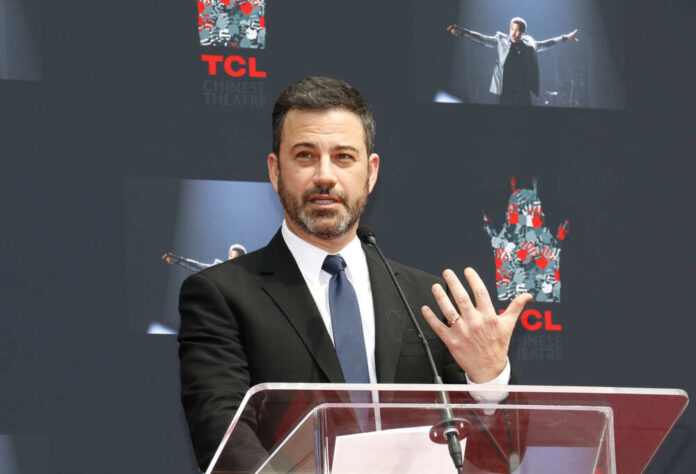
Jimmy Kimmel used his April 24, 2026 show to perform a mock monologue as if he were the White House Correspondents’ Dinner comedian—despite the dinner having no official comedian booked this year, according to conservative coverage. The WHCD has long mixed politics, media, and entertainment, but the choice to skip a comic signaled caution after years of backlash. Kimmel’s segment aimed to fill that gap with partisan roast material.
Homophobia Is Bad … Except When It’s Against Conservatives: Kimmel’s Cringe WHCD Stand-In Routine https://t.co/sGuXYuPvb9
— JT Badenov (@cbinflux) April 25, 2026
According to the reporting that drove the story, the most controversial lines centered on Republican Sen. Lindsey Graham and FCC Chair Brendan Carr, a Trump-era appointee now symbolizing a friendlier regulatory environment for conservative speech. Critics argued the jokes leaned on gay stereotypes and implied a sexual assault scenario involving the two men. The clip circulated rapidly through conservative social accounts, fueling accusations that the left tolerates “edgy” humor only when it lands on the right.
What exactly sparked the “double standard” charge
Conservative commentators framed the segment as an example of selective outrage: activists and media figures often condemn homophobic jokes as unacceptable, yet similar content is treated as harmless when it targets Republicans. In this telling, the problem is not simply that Kimmel went crude; it’s that the cultural referees who police language rarely penalize late-night hosts for punching in the “approved” direction. The available coverage did not include progressive outlets defending the material.
The same limitation matters for readers trying to assess the dispute fairly. The research provided largely traces back to one primary conservative write-up and the social posts it embedded, then echoed by aggregators. That’s enough to confirm the routine aired and that the backlash occurred, but it offers less clarity on broader context—why WHCD skipped a comedian, whether ABC addressed the segment, or how mainstream press organizations reacted. Without those pieces, the story remains lopsided by nature.
Why Graham and Carr became targets in a bigger media fight
Kimmel’s choice of targets was not random. Graham has been a recurring figure in political pop culture, and Carr sits at the intersection of politics and communications policy—exactly where partisan tensions run hottest. As Republicans govern in 2026 and Democrats look for leverage outside Congress, cultural institutions like late-night TV and legacy media increasingly serve as alternative battlegrounds. For conservatives, that dynamic can feel like politics by other means: ridicule and stigma replacing debate.
The broader question: are “speech rules” about values or power?
The most enduring impact may be less about one joke and more about the public’s growing sense that institutions enforce standards based on ideology. Conservatives hear lectures about tolerance while being mocked with the same stereotypes those lectures claim to oppose. Many liberals, meanwhile, view late-night satire as fair commentary against a powerful governing party. The result is a widening trust gap—another reminder that Americans across the spectrum increasingly suspect the system serves insiders first, and citizens last.
Until more reporting emerges beyond the original conservative ecosystem, the safest conclusion is narrow but important: Kimmel’s WHCD-style routine triggered a predictable wave of backlash because it collided with a real political fault line—whether cultural gatekeepers apply one set of rules to their friends and another to their opponents. For voters already convinced that “the elites” protect their own, even a comedy segment can read like proof that the fix is in.
Sources:
Homophobia Is Bad … Except When It’s Against Conservatives: Kimmel’s Cringe WHCD Stand-In Routine