Trump is selling a manufacturing comeback, but the official data and the White House story do not match cleanly.
Quick Take
- The White House says U.S. factories are growing fast under President Trump.
- Outside reporting says manufacturing jobs are still down since Trump returned to office.
- Factory building and investment remain weak in several reports.
- The claim that the GOP is now the party of workers is still not proven by the materials provided.
What Trump’s Team Says Is Happening
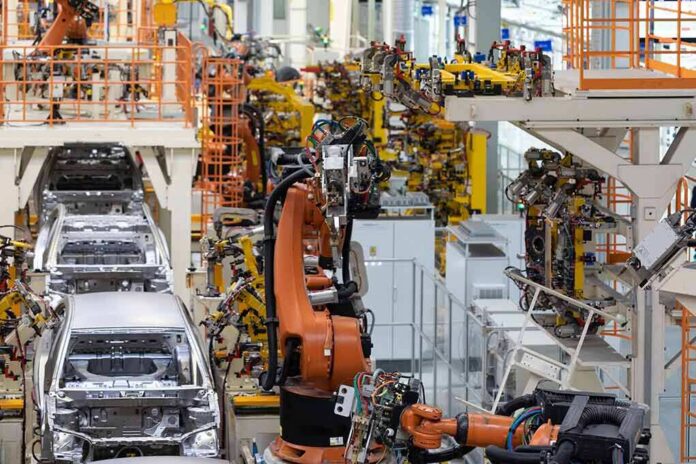
The White House is pushing a clear message: Trump’s trade and tax agenda is driving an industrial revival. In August, it said manufacturing activity rose at the fastest pace in more than four years, with new hiring and strong demand. A separate White House release said factories posted the strongest expansion in more than four years and called it proof of an industrial renaissance.
That message fits Trump’s long-running pitch that tariffs, tax cuts, and deregulation will bring factory work back to the United States. The White House says companies are investing trillions of dollars, and it links that money to jobs, wages, and new plants. Supporters see this as a direct answer to years of outsourcing and policy drift. Critics say the administration is describing momentum before the jobs fully appear.
What the Job Numbers Show
Several reports in the provided record point the other way on employment. Marketplace says the economy has lost 75,000 manufacturing jobs since Trump’s second term began, based on Bureau of Labor Statistics data. Newsweek and Politico also report lower manufacturing payrolls over the past year, with both outlets citing labor data that show no broad rebound yet. That does not erase all gains, but it does challenge the boom claim.
Some of the sharpest pushback comes from spending and construction data. KCRA reports factory construction spending is down 22 percent from a year earlier and has fallen each month this year. The Los Angeles Times reports manufacturing construction spending is down 26.4 percent from Trump’s inauguration through May. Those numbers matter because a real reshoring wave should usually show up in cranes, concrete, and plant expansion before it becomes a broad job story.
Why the Party-of-Workers Claim Is Still Unproven
The bigger political claim is not just about factories. It is about identity. Trump and his allies want to show that Republicans are now the party of workers, especially blue-collar voters in industrial states. But the supplied record does not include polling, precinct data, union surveys, or voter-file evidence showing a lasting shift in working-class loyalty. The case rests more on messaging than on hard electoral proof.
Trump Cut the U.S. Trade Deficit Nearly in Half
For years America ran massive trade deficits, importing far more than we exported and watching factories, jobs, and leverage leave the country. Under Trump that trend reversed hard. The numbers moved dramatically—cutting the overall… pic.twitter.com/4OG00x313H— NancyH (@NancyH_60) August 12, 2026
That gap helps explain why this fight keeps going. Both sides are using familiar arguments that fit today’s wider distrust of Washington. Trump’s team says elites hollowed out American industry and that his policies are fixing it. Critics say the boom is overstated and that tariffs can raise costs while job gains lag. The materials here support a mixed picture: some stronger factory activity, but no clear proof of a full worker realignment.
Sources:
youtube.com, marketplace.org, whitehouse.gov, washingtonpost.com, pbs.org, jec.senate.gov, kcra.com, brookings.edu, politico.com