Florida’s governor’s race now hinges on whether a candidate’s past ties outweigh the fact he was never accused of the alleged $100 million fraud at the center of the storm.
Story Highlights
- Federal prosecutors charged two men, not David Jolly, in a $100 million nonprofit theft case.
- News reports say court records do not accuse Jolly or suggest he knew of the scheme.
- Jolly’s long relationship with the indicted founder fuels political attacks over judgment.
- The case involves a nonprofit serving people with disabilities, raising emotions across parties.
What Prosecutors Allege And Who They Charged
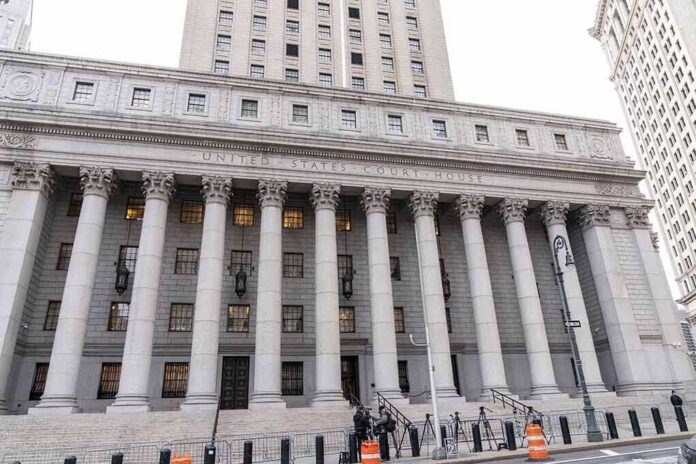
Federal prosecutors in Florida charged Leo Joseph Govoni and John Leo Witeck with stealing more than $100 million from a nonprofit that managed funds for people with disabilities. The United States Attorney’s Office laid out the case in a June 2025 indictment. The Internal Revenue Service also named Govoni and Witeck as the charged defendants. Neither filing lists David Jolly as a participant, defendant, or co-conspirator in the alleged scheme.
According to coverage of the case, Govoni pleaded not guilty, and the criminal charges remain allegations until a court decides otherwise. The nonprofit at the heart of the case later went bankrupt, raising fears that people who depended on those trust funds were left exposed. The scale of the alleged losses and the vulnerability of the victims make this story more than routine politics. It touches core questions about trust, oversight, and accountability.
Where Jolly Fits: Documented Ties But No Charges
News outlets report that Jolly worked for Govoni’s Boston Finance Group and later received campaign help from Govoni. Reports say Govoni served as finance co-chair for Jolly’s 2016 Senate bid and that Jolly and Govoni had a long friendship. At the same time, reporters who reviewed court records say nothing in those documents shows Jolly knew about or joined the alleged scheme, and he has not been accused of wrongdoing.
Florida-focused outlets add further details about money and roles. They report that businesses linked to Govoni donated to Jolly’s campaigns, and that Jolly disclosed consulting or legal income tied to Govoni’s company during his private work years. Those details explain why critics see a pattern. But these accounts also state Jolly was not indicted and that there is no evidence he took part in the alleged theft.
How Opponents Are Framing The Relationship
Republican critics argue the depth of Jolly’s ties shows poor judgment. They point to Govoni’s role as a campaign finance leader, the donations from Govoni-linked entities, and reported work ties involving family members. One campaign voice used the familiar “where there’s smoke, there’s fire” line to suggest political risk. These are arguments about judgment and fitness, not new evidence of a crime by Jolly.
🔴 Jolly's Ex-Boss Indicted for $100M Theft From Disability Trust
Democratic Florida gubernatorial candidate David Jolly worked at Boston Finance Group from 2012 to early 2014, earning $250,000 in 2013, according to House financial disclosures. Federal prosecutors allege the… pic.twitter.com/JaRG5AKKZz
— NewsTongue (@NewsTongueX) October 15, 2026
This kind of “guilt by association” fight happens often. Research on political scandals shows that people and groups connected to a scandal can suffer reputational costs even when not charged. Voters feel burned when leaders miss warning signs, and they punish that. The lesson is clear: transparency beats silence. Detailed timelines, records of duties, and on-the-record answers can help voters judge ties, not rumors.
What Voters Still Do Not Know
Public reporting does not show a full record of Jolly’s job duties, access to nonprofit finances, or communications during key years. That gap leaves room for ongoing questions, even if it does not prove knowledge or intent. Clear answers could include employment records, dated emails, calendars, and sworn testimony about meetings and responsibilities. Those materials would help test whether his role ever touched the alleged transfers.
Until the criminal case ends, this story will likely stay hot. Each side will highlight facts that fit its frame. Prosecutors named two defendants and did not name Jolly. Opponents stress the long relationship and money links. For many Americans, the deeper worry is familiar. They see a system that often fails the vulnerable while insiders look after each other. That feeling crosses party lines and grows when oversight breaks down.
Bottom Line For Readers
The established record shows this: prosecutors charged Govoni and Witeck, not Jolly. Court documents and major reports do not accuse Jolly of joining the alleged scheme. Political attacks focus on his judgment because of close ties, money flows, and staff links over many years. Voters should demand records, dates, and answers, not slogans. That is how to sort real risk from campaign spin, and how to protect people who count on honest caretakers of their money.
Sources:
cbsnews.com, justice.gov, floridapolitics.com, davidjolly.com, apnews.com, tampabay28.com