
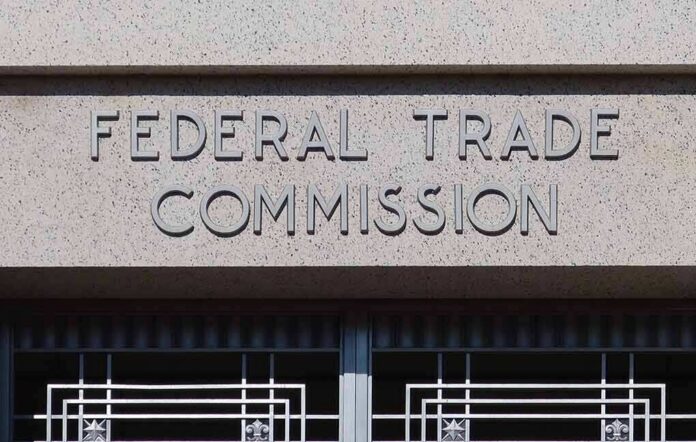
Federal regulators asked a court to force Block to turn over records after more than 1,500 people complained they were locked out of their own money.
Story Snapshot
- The Federal Trade Commission (FTC) opened a probe after 1,500+ consumer complaints.
- Allegations say Square and Cash App freezes blocked access to up to $2.5 million since 2022.
- The FTC issued a Civil Investigative Demand and sought court enforcement to compel records.
- Block says it is cooperating in good faith and working to close the inquiry.
What Triggered The Investigation
Bloomberg reported that the Federal Trade Commission started investigating Block, parent of Square and Cash App, after receiving more than 1,500 consumer complaints about frozen or deactivated accounts. The agency is examining whether Block failed to provide adequate help to affected users. The reported court filing says some people could not move money to their bank once accounts were locked. The filing frames this as a customer-service failure that may violate consumer-protection laws.
Reports say the Federal Trade Commission’s petition described consumer claims that funds totaling up to $2.5 million became inaccessible since 2022 due to freezes or deactivations. Those are allegations, not confirmed totals. The number helps show the scale people say they faced. The agency’s interest centers on whether Block’s systems gave clear answers and fair remedies. The focus is not on banning freezes, but on whether freezes were explained and resolved in a timely way.
What The Government Is Demanding From Block
Coverage says the Federal Trade Commission served Block with a Civil Investigative Demand on January 22, 2026, with a February 23 deadline, and later asked a federal judge to enforce it in FTC v. Block in the Northern District of California. The demand seeks organizational charts, policies, complaint logs, management presentations, and names of staff with firsthand knowledge. These records could show how Block staffed support, handled risk flags, and escalated cases, especially after reported staffing cuts.
The categories aim at transparency and accountability. Organizational charts and personnel directories can reveal whether support teams were reduced or reorganized. Policies and procedures can show what triggers holds and how appeals should work. Complaint files can map patterns, response times, and outcomes. If the records show long delays or unclear notices, that could support the agency’s theory. If the records show quick, well-explained resolutions, that could help Block’s defense.
How Block Responds And What Its Terms Allow
Block says it is working in good faith with Federal Trade Commission staff and has been responding on an accelerated timeline. That statement does not resolve the facts, but it shows the company is not claiming a refusal fight. Square’s posted terms say the company may hold funds for up to 180 days during an investigation and can freeze or limit transfers when activity looks suspicious, where the law allows. Those terms give Block broad tools to fight fraud and chargebacks.
The open question is process, not just power. Terms can allow a hold, but the law still requires fair treatment. People across the political spectrum worry that large firms can lock accounts with little warning and slow replies. The Consumer Financial Protection Bureau has reported common complaints about freezes, transfer delays, and poor communication across payments products, not just at one company. That pattern sets the stage for this case and raises pressure for clearer rules and faster help.
Why This Matters For Families And Small Businesses
Account locks can mean missed rent, late payroll, and broken trust. Small shops that run on thin margins feel even short freezes. Households that live paycheck to paycheck cannot wait weeks for a reply. When a platform holds money, people expect quick reasons and a fair way to fix errors. The Federal Trade Commission probe tests whether a major player met that standard. A court-enforced demand shows the agency wants full visibility into real-world impacts and internal choices.
FTC is probing Block over customers locked out of their own money
The Federal Trade Commission is investigating Block — parent of Square and Cash App — over allegations that frozen accounts left customers unable to access up to $2.5 million in funds, even a#Block #CashApp #FTC pic.twitter.com/Nl3FXHo786
— Quartz (@qz) October 9, 2026
Americans on the right and left are tired of systems that seem to work for the powerful but not the customer. If a company can lock your cash and leave you on hold, that feels like rules for the few and pain for everyone else. If the records confirm strong controls and fast help, confidence can grow. If they reveal slow care and vague answers, expect louder calls for firm deadlines, plain-language notices, and clear appeal rights across the payments industry.
Sources:
reclaimthenet.org, bloomberg.com, ground.news, digitaltransactions.net, tokenpost.com, law360.com