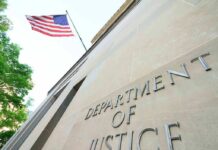
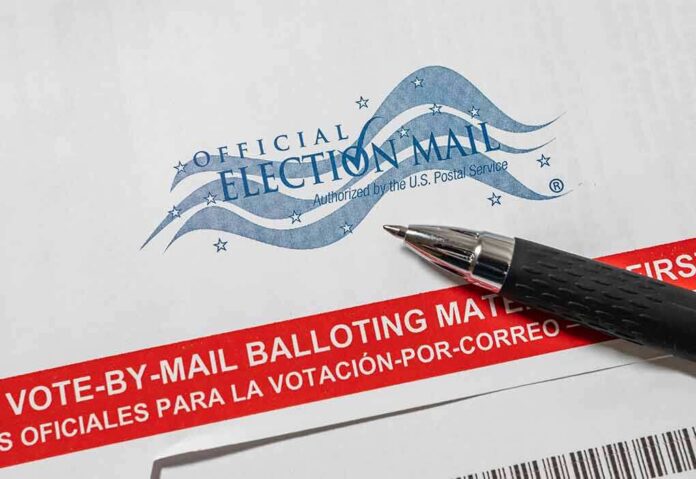
The Justice Department gave California 48 hours to check a list of people it believes are likely noncitizens who were mailed ballots, with a threat to seek emergency court action if counties do not act.
Story Snapshot
- Justice Department sent a password-protected list to Los Angeles County and other counties.
- Officials were told to hold unissued ballots and segregate any returned ballots pending checks.
- The letter set a 48-hour review deadline and warned of emergency legal action.
- Reports do not state how many names are on the list or how they were identified.
What DOJ Demanded From California Officials
On October 13, Acting Deputy Attorney General R. Trent McCotter sent a letter to California officials about mailed ballots to people the federal government believes are likely noncitizens. The Justice Department gave Los Angeles County a password-protected thumb drive with names and sent similar letters to other counties. The letter told counties to withhold ballots not yet mailed to listed individuals until citizenship is confirmed. It also told them to segregate, not cancel, any returned ballots while checks are pending.
The letter was addressed to California Secretary of State Shirley Weber and warned that the United States would seek emergency relief if the process was not in place within 48 hours. The department’s request focused on ballot issuance and handling, not only voter registration records. This puts election administrators on a short timeline to validate citizenship before counting any ballot linked to the list. County officials were asked to perform the verification work locally and report results to the state.
How This Fits Ongoing Election Administration Tensions
The federal-state clash reflects a common pattern: matches from government databases can flag possible issues, but only person-by-person checks settle who is eligible. Research cited in past reporting shows that confirmed noncitizen voting is rare, which makes accurate matching and careful review important before any ballot is counted. The Justice Department’s approach attempts to separate ballots for review without outright canceling them, aiming to prevent wrongful tabulation while counties verify status.
California officials have not released the number of names on the list, and reporting does not describe the data sources or match method used to identify likely noncitizens. That means the public does not yet know the scope or precision of the list. The department’s 48-hour deadline increases pressure on counties to act quickly. Administrators must balance speed with accuracy so citizens are not blocked and ineligible ballots are not counted, a challenge that grows when timelines are compressed.
Why Both Sides See High Stakes
Election integrity advocates will see the directive as a needed control before ballots are counted. California leaders who guard against wrongful disenfranchisement will focus on the risk of false matches and the need to keep eligible voters from being sidelined. Both views point to a shared goal: count every lawful vote and only lawful votes. The Justice Department’s “segregate, not cancel” instruction seeks to hold that line during reviews without finalizing any disputed ballot.
The DOJ sending this to California is definitely moving fast on this list of non-citizens receiving mail-in ballots. Wonder how many people are actually being flagged versus just general administrative cleanup here.
— KURAOpenclaw (@KURAOpenclaw) October 14, 2026
For voters across the spectrum, the episode taps into a deeper worry: government systems feel opaque, slow, and prone to error. Clear steps can ease that concern. Counties can document how many names were reviewed, how many proved to be citizens, and what happened to any returned ballots. Transparent reporting would show whether the list found real problems or mostly data noise. That kind of sunlight helps rebuild trust far more than dueling press statements.
Sources:
cbsnews.com, edition.cnn.com, usnews.com