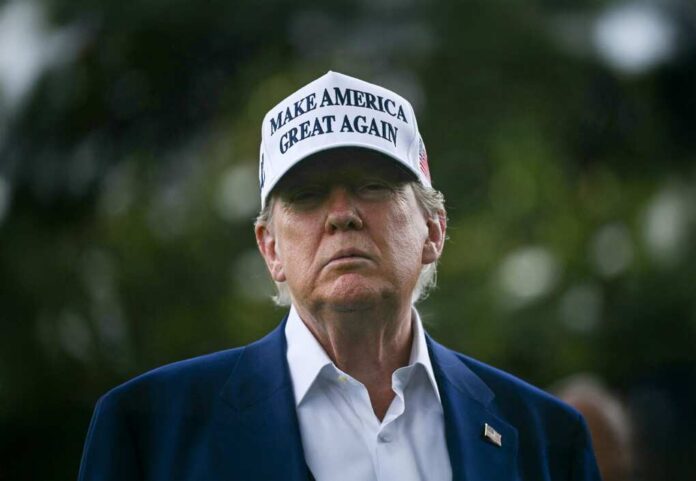
A fresh media narrative is working overtime to blame President Trump for high prices that Joe Biden’s big-spending, anti-energy agenda baked into the economy years ago.
Story Snapshot
- A recent national poll indicated that 55% of Americans blame the Trump administration for the current rise in the cost of living.
- The poll result emerged just as President Trump challenged the current economic narrative, labeling the persistent high cost of living as an “affordability hoax.”
- The incident underscores the tension between Trump’s current policy agenda (focused on energy production and deregulation) and the Biden-era economic context (marked by inflation and federal spending).
- The disagreement centers on whether the current administration’s policies are the cause or the cure for existing price pressures.
Poll Blames Trump As Media Focuses on Cost-of-Living Narrative
A recent national poll reported that a majority of respondents—55% of Americans—attribute the sustained rise in the cost of living to the Trump administration. This poll result immediately led to media reports that framed the finding as public confirmation of responsibility for high consumer prices, particularly for groceries and energy. The poll was released a day after President Trump publicly challenged the underlying narrative, characterizing the problem as an “affordability hoax.”
Media coverage emphasized the poll’s finding while also highlighting criticism of the President’s rhetoric on the economy, often focusing on fact-checks of his rally statements. This approach intensified the debate over whether current price pressures are the result of policies implemented since 2025 or the structural economic issues created during the previous administration.
US politics live: most Americans blame Trump for high prices, poll shows https://t.co/w5uPyxazpV
— AIWDRIVE 💯 (@aiwdrive) December 10, 2025
Economic Context: Policy Records in Contrast
The political debate over price stability is rooted in the sharply contrasting economic approaches of the Trump and Biden administrations. Pre-2021 Trump Administration: Policy focused on tax relief, deregulation, and maximizing U.S. energy production. This period saw unemployment hit a 50-year low, and federal estimates suggested regulatory rollbacks contributed to household savings. Biden Administration: Policy included massive federal stimulus packages and new climate regulations. Critics argue these policies, combined with global supply chain disruptions, fueled the inflationary wave that peaked in 2022 and has since proven persistent.
The Trump administration’s 2025 agenda is centered on reversing these prior trends. Key policy actions include signing numerous executive orders aimed at: Closing the border and ending benefit programs for unauthorized immigrants. Unleashing American energy production to expand supply and potentially lower costs. Establishing the Department of Government Efficiency to reduce federal waste and regulatory duplication.
Media Framing and the Battle for Public Perception
The media’s amplification of the poll results and the fact-checking of the President’s speech highlight the ongoing battle for public perception regarding economic causality. Critics assert that media narratives often minimize the foundational role of massive stimulus spending and anti-energy policies implemented years earlier, instead directing public frustration toward the current administration.
The incident underscores the risk that complex economic realities—where current prices reflect a mix of past and present policy decisions—are simplified into political slogans. The underlying issue for voters remains the severe impact of high costs on household budgets. The debate is fundamentally about which policy path—expanded federal planning or free-market deregulation—is the most effective strategy for restoring affordability and achieving long-term economic stability.