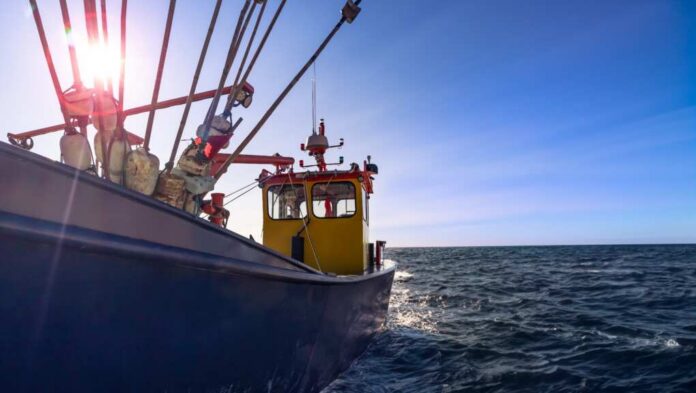
A Gloucester fishing boat went down in near-freezing Atlantic water without a mayday call—leaving families praying and rescuers racing the clock in one of the most unforgiving environments in America. The sinking of the 72-foot commercial fishing vessel Lily Jean off Cape Ann triggered a high-stakes search, with crews battling severe winter conditions and the Coast Guard expanding its efforts after locating debris and recovering one body. Six people, including Captain Gus Sanfilippo, remain missing as the community faces another profound loss at sea.
Story Highlights
- The 72-foot commercial fishing vessel Lily Jean reportedly sank about 25 miles off Cape Ann after an emergency beacon activated around 7:00 a.m. Friday.
- The Coast Guard located a debris field, an empty lifeboat, and recovered one body; six people remained missing as of Friday evening.
- Crews battled severe winter conditions, including cold water, strong winds, and sea-spray icing that complicates searches and threatens responders.
- Captain/owner Gus Sanfilippo, a fifth-generation Gloucester fisherman, was reported to be among the seven people aboard; a NOAA fishery observer was also on board.
Beacon Alert Triggers a High-Stakes Search Off Cape Ann
The U.S. Coast Guard launched a search after an emergency position-indicating radio beacon (EPIRB) activated roughly 25 miles off Cape Ann, east of Gloucester, Massachusetts, around 7:00 a.m. Friday. A Coast Guard helicopter arrived soon after and began working a developing debris field in difficult visibility and winter seas. Rescuers ultimately found debris, an empty lifeboat, and one body in the water, confirming the gravity of the incident.
Officials said the vessel sank without a mayday call, an alarming detail because it suggests events unfolded quickly or communications failed before the crew could transmit distress. Reports indicated seven people were aboard, including captain and owner Gus Sanfilippo. As the day progressed, the Coast Guard expanded its search area as debris spread with wind and current, while aircraft and boats continued scanning amid worsening weather and an approaching nor’easter.
#BREAKING: 7 were on board the Lily Jean, a 72-foot fishing vessel out of Gloucester that sunk miles offshore this morning.
1 body was found. 6 others are still missing, the @USCG says. @maura_healey, other officials say it’s still a “search and rescue” operation. @boston25 pic.twitter.com/7MPvIiGGo2
— Daniel Coates (@danielcoates_25) January 30, 2026
Frigid Water and Sea-Spray Icing Turn Minutes Into the Difference
Search leaders stressed that cold and stormy conditions sharply narrow survival windows and make rescue work more dangerous. Reports described air temperatures around 12°F with ocean water near 39°F, conditions that can quickly overwhelm someone in the water even with flotation. Crews also faced winds strong enough to build seas and create sea-spray icing, a hazard that can weigh down vessels and complicate operations as daylight fades.
Coast Guard commanders described the practical challenge of locating survivors across a widening ocean area, using an analogy comparing the effort to searching for a small object in vast water. That framing is not rhetoric; it reflects the reality of how waves, wind, and current disperse evidence and shrink visibility. Even when aircraft pinpoint a debris field, rescuers still must determine whether anyone made it into the lifeboat or entered the water before the vessel went down.
Gloucester’s Working Waterfront Feels the Loss in Real Time
Gloucester’s fishing economy is built on risk, discipline, and tradition, and tragedies hit harder because nearly everyone knows someone on the water. The Lily Jean incident revived memories of earlier disasters tied to the region’s fishing grounds, including the 1991 loss of the Andrea Gail that later inspired “The Perfect Storm.” Local leaders described families as stuck between hope and dread as the search continued with limited confirmed answers.
State Sen. Bruce Tarr confirmed the number of people believed aboard and spoke publicly about the grief in a community that understands the ocean but never gets used to sudden loss. Massachusetts Gov. Maura Healey issued a statement expressing heartbreak and support for the families. Community figures who knew Sanfilippo described him as a hard worker from a fishing family, underscoring how closely Gloucester’s identity remains tied to multi-generation crews and locally owned boats.
What Is Known—and What Still Isn’t—About the Sinking
Reports indicated the Lily Jean was returning from a fishing trip when the EPIRB alerted, but the specific cause of the sinking remained unknown as of Friday evening. The lack of a mayday limits what can be established early, and officials had not publicly identified all crew members. The presence of a NOAA fishery observer aboard also drew attention to how federal monitoring intersects with day-to-day fishing operations, especially when emergencies occur offshore.
For families and fellow fishermen, the immediate focus is recovery and accountability in the most basic sense—answers about what happened and whether anyone can still be found. For the broader public, the story is a blunt reminder that America’s food supply still depends on men and women working in extreme conditions, far from cameras and political talking points. As the Coast Guard pressed on overnight, the outcome depended on weather, time, and the hard limits of winter water.
Watch the report: One dead, six missing after fishing boat sinks off Cape Ann
Sources:
Coast Guard finds body in water while searching for fishing boat off Massachusetts coast
Rescuers search frigid Atlantic for missing fishermen after boat sinks off Massachusetts coast
Coast Guard launches search and rescue operation for fishing boat off Massachusetts