A fake-poll scheme slipped into major media databases, and now a top regulator is warning broadcasters their licenses are on the line if they air “fake polls.”
Story Highlights
- Wedgewood Polls admitted most of its data was fabricated and reached major outlets before removal.
- Federal Communications Commission Chair Brendan Carr warned that airing fake polls could violate news-distortion or broadcast-hoax rules.
- Carr offered no list of suspect polls or named broadcasters, raising questions about scope and proof.
- Commissioner Anna Gomez and press advocates say good-faith reporting of public polls should not face punishment.
What Set Off The Warning
Wedgewood Polls said most of its published surveys were fake. That admission came during the election season and after its numbers appeared in respected polling lists. The New York Times included 15 Wedgewood polls before removing them. USA Today reported the group’s confession and the pullbacks by outlets. The fabrication shows how bogus polling can enter trusted channels and shape coverage before checks catch up.
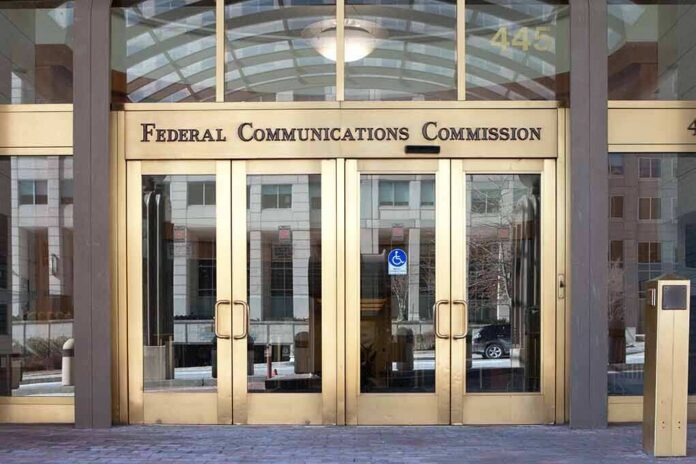
Federal Communications Commission Chair Brendan Carr responded with a public warning. On October 21, he told licensed stations that airing fake polls could trigger the agency’s news-distortion or broadcast-hoax rules. He framed the issue around existing policy, not every bad poll. His post echoed concerns about a surge in fake and “suppression” polls, though he did not define the latter in regulatory terms in the cited reports.
What The Rules Actually Say
The Federal Communications Commission’s news-distortion policy targets deliberate tampering with facts in coverage of a significant event. Reuters reporting on the policy notes the event must be significant, not minor. That standard goes beyond simple error. It requires proof of intent to distort. The broadcast-hoax rule also turns on knowing falsehoods that cause harm. None of the cited reports mention a fresh enforcement case tied to polls at this time.
That gap matters. The record described so far shows a fake-poll operation and a public warning, but not a named station that knowingly aired fabrications. Carr did not publish a list of suspect polls or broadcasters. Reports also did not show a filed notice, fine, or license action. That leaves open whether the agency can prove deliberate distortion tied to polling, or if the warning aims to deter risky content before cases arise.
Free Press Pushback And The Chilling Effect Question
Federal Communications Commission Commissioner Anna Gomez said good-faith reporting of public polling should not be punished. She said the agency’s distortion and hoax rules do not apply when a station reports data in good faith, even if a poll later proves wrong. Press advocates added that news outlets have a First Amendment right to report polling and urged narrow, careful use of any hoax or distortion policies.
@BrendanCarrFCC @POTUS Brendan, you and the convicted felon seem to think you can manipulate an election by threatening broadcasters who report polling results you don’t like. You’re the chairman of the Federal Communications Commission, not the president’s personal censorship…
— Caring Guy💙🇺🇸🌈✌🏻 (@caringguy1957) October 22, 2026
Free-speech groups and former officials warned that a regulator’s broad warning can chill coverage. They argue the agency cannot dictate editorial choices and must avoid content-based pressure. Critics say the lack of named polls or proof invites over-caution by stations that depend on federal licenses. Supporters of a tougher stance counter that Wedgewood’s fraud shows how fake data can spread fast, and that licensees should vet polls before airing them.
What Viewers Should Watch For Next
Broadcasters will likely tighten sourcing. Expect more on-air caveats, clearer labels for partisan polls, and fewer single-poll stories. Look for whether the Federal Communications Commission opens any formal cases. Formal steps would include notices of apparent liability or other filings. Also watch for new newsroom standards on poll vetting. If stations publish those rules, they will show how they balance speed with verification in a fraught campaign season.
Why This Matters Across The Spectrum
Voters on the right and left see elites gaming the system. Fake polls can tilt narratives, affect donations, and dampen turnout. Heavy-handed rules can also mute real reporting and protect the powerful. The core test is simple to state but hard to meet: prove a broadcaster knew a poll was fake and aired it anyway. Until then, the better fix is sunlight, stronger vetting, and quick corrections when polling data fails basic checks.
Sources:
reason.com, nytimes.com, politico.com, bostonglobe.com, cnn.com, forbes.com, washingtonpost.com, usatoday.com, detroitnews.com, deadline.com