Footage of President Emmanuel Macron and his wife dancing at a Céline Dion concert the night before mass protests set parts of France ablaze ignited a wave of anger across the country.
Story Snapshot
- Macron and Brigitte attended a Céline Dion concert on Oct. 16 in Nanterre, near Paris.
- Large protests over living costs and grievances erupted nationwide on Oct. 17.
- Police reported clashes, fires, and damage in several cities amid arrests and injuries.
- Critics compared the images to “Marie Antoinette” and “Nero fiddling” during crisis.
Documented Timeline: Concert Before Nationwide Unrest
Reports stated that Macron and Brigitte Macron attended a Céline Dion concert on Friday, October 16, at the Plénitude Arena in Nanterre, outside Paris. Outlets placed the event less than a day before large demonstrations across France and described video of the couple in a private box. This timing set the stage for backlash once protests turned violent on Saturday, October 17, in multiple cities.
Interior Ministry counts reported hundreds of thousands marching across France, with organizers claiming higher numbers. Coverage described protests focused on living costs and broader frustrations with government performance and fairness. Demonstrations grew tense in major urban areas, and police prepared for unrest around sensitive sites. The scale and spread made the protests a national event, not a single-city flashpoint.
Images That Fueled Accusations of Detachment
Circulating footage and descriptions showed the Macrons clapping and dancing in a box during the concert, which critics framed as carefree amid looming social strain. Commentators and social media users pushed comparisons to Marie Antoinette and “Nero fiddles,” arguing the optics signaled distance from ordinary citizens’ pain. Headlines across several outlets amplified this framing once scenes of street clashes and fires appeared the next day.
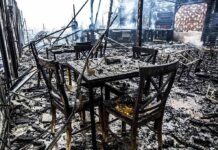
Reports from Paris and other cities described tear gas, water cannons, arson, and damage to public buildings as police faced off with demonstrators. Authorities announced arrests, and some officers and firefighters were reported injured. These details hardened the visual contrast between a celebratory concert and streets filling with smoke and debris. The juxtaposition drove the political punch of the story more than any policy debate.
What Is Known Versus What Is Assumed
The record clearly shows the presidential couple at the concert and major unrest the next day. The reporting does not show that the outing displaced official duties or that Macron skipped crisis work that evening. Arrest and turnout figures varied by outlet, which can reflect the pace of events and different sources. The central point remains the optics: leaders risk backlash when private leisure collides with public pain, especially when imagery spreads fast online.
Where's Macron? French leader blasted for attending concert as riots escalated
President Emmanuel Macron faces questions over his response to widespread unrest in France after attending a Celine Dion concert the night before demonstrations escalated into violence
French… pic.twitter.com/QPNfMDteAH
— American Politic (@rosewdc) October 18, 2026
This episode fits a broader pattern in protest coverage, where spectacle often overtakes substance. Research on news framing finds that media tend to spotlight riots, clashes, and dramatic scenes over detailed policy demands. That tilt gives vivid images—like a dancing head of state or burning barricades—outsized power to shape public judgment. In that environment, timing and visuals can define a leader’s standing more than memos or meeting logs.
Sources:
humanevents.com, lbc.co.uk, breitbart.com, noticias.foxnews.com, en.haberler.com, x.com