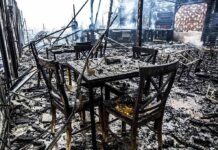

A Bulgarian court approved European arrest warrants for two German suspects after a Starlink ground site near Sofia was set on fire, turning a local arson case into a cross-border hunt.
Story Highlights
- A Sofia City Court found reasonable grounds to suspect two German men and approved European arrest warrants.
- Prosecutors say the men entered Bulgaria on the day of the fire and then left for Serbia.
- Reported evidence includes photos, vehicle-tracking records, witness statements, and an expert damage review.
- The incident fits a wider European alert over attacks on satellite communications facilities.
Court Authorizes Cross-Border Warrants After Starlink Fire
Sofia City Court authorized European arrest warrants for two German nationals accused of setting fire to Starlink antennas at the Plana teleport facility south of Sofia. The court ruled there were reasonable grounds to suspect the men and allowed their detention and surrender across the European Union. Prosecutors charged the men in absentia on October 14. Officials say the attack damaged multiple antennas at the site, which supports satellite internet service operations in Bulgaria.
Bulgarian outlets reported that the evidentiary file lists photographs, vehicle-tracking records for a German-registered car, witness statements, and an expert assessment of the burned equipment. The expert report said three antennas were destroyed, two were partly burned, and three more were damaged by fire at the Plana site. That tally totals eight affected units and reflects the on-scene technical inspection after the blaze near the village of Plana.
Travel Timeline and Investigative Leads
Prosecutors allege the two suspects entered Bulgaria from Serbia on October 9 and stayed for several hours before returning to Serbia the same day. That window aligns with the reported time of the fire near Sofia. The prosecution’s account ties the men to a specific vehicle and travel path. Media reports do not publish the underlying records, but they describe official reliance on border data and movement logs to place the vehicle in Bulgaria during the incident period.
Law enforcement moved from initial public claims to formal action over one week. A member of parliament highlighted the fire publicly on October 12. The Interior Ministry later said suspects had been identified. Prosecutors then sought the warrants, and the Sofia court approved them on October 19. The sequence shows Bulgarian authorities building a case, securing charges, and activating the European arrest system to reach defendants believed to be outside the country.
Damage Counts and What the Expert Found
Early public accounts said 11 of 17 antennas were burned in the attack. The later expert review reported eight units affected: three destroyed, two partly burned, and three damaged. The reporting does not explain the difference between the first count and the expert tally. The expert analysis anchors the technical profile of the scene and is the referenced basis for assessing the scope of physical damage to the site’s satellite antennas and related equipment near Plana.
The Plana facility functions as a ground site that links user terminals through satellite beams and backhaul links. Fire damage at such a site can disrupt service and require costly replacement and re-alignment. Officials have not published service-outage figures tied to this fire. The expert report’s breakdown suggests targeted burning of antenna hardware rather than a general blaze that consumed the entire site, which could have caused broader network disruptions.
European Context: Attacks on Satellite Infrastructure
The Bulgarian case follows reports of suspected arson at a Starlink ground station in Poland and a foiled attempt in Lithuania. In Lithuania, officials said security alerts helped block an attack at a satellite gateway site. European media have framed these events as part of a pattern of strikes against satellite communications that support civilian and defense needs. Authorities across the region have urged stronger protection for gateway sites and related critical infrastructure.
Bottom line:
Starlink carries a huge share of Ukraine's front-line comms. Nobody can shoot down a constellation of thousands of satellites. You can torch the ground stations that feed it – inside NATO, using people who don't look like Russian agents.Lithuania's crisis chief… pic.twitter.com/2C6ZNLhY7o
— AirVector (@airpower33) October 19, 2026
European arrest warrants enable fast cooperation when suspects cross borders inside the European Union. After a warrant is issued by a court like Sofia City Court, police in other member states can detain the named person and bring the case before their courts. Those courts then assess limited conditions for surrender to Bulgaria. This legal tool aims to prevent suspects from escaping accountability by moving between member states.
Why This Matters for Voters and Taxpayers
Attacks on ground stations raise clear stakes for public safety, defense links, and the economy. Satellite internet now supports farms, small businesses, emergency teams, and cross-border trade. When a handful of people with fuel and matches can damage critical nodes, the public pays for repairs and stronger guards. Citizens on both the left and the right worry that leaders react after the fact rather than hardening key sites in advance. This case tests whether European systems can move fast and keep vital services online.
Sources:
reuters.com, bta.bg, bnrnews.bg, straitstimes.com, newscord.org, bntnews.bg, dw.com, haqqin.az