
Italy’s new security push after Milan’s riots now includes tougher penalties and preventive detention powers that reach minors, raising sharp civil-liberties alarms even as leaders vow to restore order.
Story Snapshot
- Milan saw violent clashes, looting, and injured police during cost-of-living protests.
- Prime Minister Giorgia Meloni backed police and condemned “hooligans” exploiting protests.
- Parliament passed a Security Decree with stiffer penalties and legal support for officers.
- A proposal would allow up to 12 hours of preventive detention for minors seen as a danger.
Violence In Central Milan Triggers Nationwide Security Response
Associated Press reporting said rioters clashed with police, looted shops, and set fires in central Milan, emptying the Piazza del Duomo and the Galleria Vittorio Emanuele II. Police detained about 50 people, and at least two officers were hurt, as water cannons and tear gas were used to clear streets. The New York Times later reported 14 officers injured, including one hit by a cobblestone, underscoring the level of danger to law enforcement during the unrest.
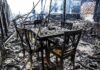
President of the Council Giorgia Meloni condemned the violence and said protest is a right but “setting our cities ablaze is not,” drawing a clear line between peaceful assembly and criminal acts. Coverage from Deutsche Welle described parallel protests and clashes across cities, while noting injuries to officers and demonstrators. The images of burning debris, shattered glass, and police in riot gear shaped public debate over tactics and proportionality.
What Italy’s Security Decree Changes And Why It Matters
Politico reported that the Security Decree passed the Senate 109–69 after lower-house approval. The law increases penalties for property damage and disruptive sit-ins, broadens police powers, and offers up to ten thousand euros in legal-fee support for officers investigated for actions on duty. Supporters argue the measure protects communities and backs rank-and-file officers. Critics warn the bill risks chilling protest and could be used widely beyond violent cases, depending on enforcement choices.
Reuters detailed a separate proposal tied to the crackdown that would allow authorities to hold people under 18 at police stations for up to twelve hours without proof of a completed crime, if evidence suggests they pose a danger. Backers frame this as prevention after youth-led unrest. Civil-liberties advocates see a rights red flag, because the measure is based on risk judgments about minors rather than specific offenses, raising due-process and oversight questions that remain unresolved in reporting.
Conflicting Arrest Figures And Open Questions On Effectiveness
Major outlets reported different detention totals, likely due to time windows and legal categories. The Associated Press cited about 50 detainees, while other coverage referenced larger numbers across multiple days and cities. The BBC and Deutsche Welle also noted many minors among those stopped or detained, but reports did not reconcile counts across stops, station identifications, formal arrests, and charges. That leaves a gap for readers trying to size the operation and its reach.
The available reporting documents the clashes, injuries, and new rules, but does not show whether the tougher approach reduced later unrest or crime. There is no before-and-after data on violent incidents, prosecutions, or police use-of-force complaints in the articles cited. Without those records, it is hard to judge effectiveness or proportionality. This is the core tension many Americans will recognize: leaders respond fast to chaos, but results and safeguards appear later, if at all.
Why This Resonates Beyond Italy: Order, Rights, And Trust
Americans on the right and left worry that elites fail at basics like safety, fairness, and accountability. Italy’s debate shows that same conflict. Many want police to stop looting and keep streets safe. Many also fear that fast security fixes can drift and limit peaceful protest. Meloni’s line—support protest, stop violence—matches broad public instincts. The real test comes in clear rules, narrow use, and public proof that the measures solve the problem without sweeping up the innocent.
What To Watch Next
Watch for unified, transparent figures on stops, arrests, charges, and releases. Look for independent reviews of police tactics and injuries. Track any court challenges to the decree or the minor detention proposal. Finally, judge results over time: fewer violent incidents, steady space for peaceful protest, and credible oversight. If officials cannot show that balance, distrust will grow, and the country’s deeper economic stress will continue to feed the cycle.
Sources:
youtube.com, bbc.com, dw.com, reuters.com, apnews.com