A targeted immigration arrest spiraled into a red-light crash that injured a New Jersey mayor’s wife, reigniting a bitter fight over the state’s sanctuary-style limits on police cooperation with federal agents.
Story Highlights
- Federal immigration officers pursued a driver who then ran a red light and crashed, injuring a mayor’s wife.
- Local police said they joined only after the crash to manage public safety, not the federal operation.
- New Jersey law limits when local police may assist federal immigration enforcement, now largely codified.
- Supporters say the policy builds trust and safety; critics say it invites avoidable danger.
What Happened In North Brunswick
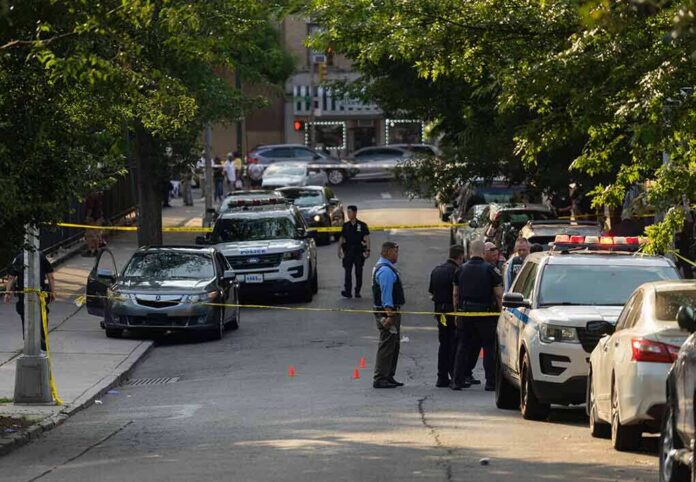
On a weekday morning in North Brunswick, federal Immigration and Customs Enforcement officers stopped a driver tied to a targeted enforcement action. The driver fled, sped through a red light on Route 130, and struck another car carrying the East Brunswick mayor’s wife, who was injured. Officers arrested the fleeing driver after a foot chase. North Brunswick police said they were not part of the federal operation and responded only after the crash to manage safety and traffic.
Reporters sought comment from the Department of Homeland Security and Immigration and Customs Enforcement. Officials did not immediately respond. Local television coverage showed the damaged vehicles and noted heavy delays in the area. The scene underscored how quickly a planned federal arrest can turn chaotic on crowded roads. The episode drew fast political reactions because the victim was a public figure’s spouse, raising the stakes for both state and federal authorities.
The New Jersey Rules At The Center
Since 2018, New Jersey has limited how state and local police can assist with civil immigration enforcement. The Attorney General’s Immigrant Trust Directive says officers cannot hold people on civil detainers, cannot join civil immigration raids, and should focus on state criminal law, not federal civil immigration law. The state argues these rules make victims and witnesses more likely to report crimes and work with police without fear of deportation.
Democratic leaders advanced those limits this year by enshrining core parts into state law. Coverage of the bill signing said the package restricts when local police may cooperate with federal agents and bars new local partnerships with immigration authorities. Backers say the laws protect vulnerable residents and keep community trust strong. Courts have largely upheld the directive against earlier legal challenges by counties and the federal government.
Why The Crash Fuels A Broader Fight
Critics say the North Brunswick crash shows the public-safety risk when local police are sidelined from federal actions on their streets. They argue faster coordination could prevent pursuits, road chaos, or crossfire. The United States Department of Justice has sued New Jersey, claiming the limits interfere with federal law and lead to the release of dangerous people who would otherwise be removed from the country. State leaders dispute that claim.
An illegal immigrant fled a targeted ICE operation in New Jersey, sped onto a major highway, ran a red light and slammed into a Tesla carrying the wife of East Brunswick's Democratic mayor.
The crash on US-130 is the latest in a string of dangerous incidents critics tie directly… pic.twitter.com/LK50dMVk5d
— Fox News Politics (@foxnewspolitics) September 7, 2026
Supporters counter that the directive separates criminal law from civil immigration work. They say people are more likely to call 911, testify, or share tips when they trust local police are not serving as immigration agents. The Attorney General’s office states that nothing in the policy shields people who commit crimes under state law; criminal suspects can still be arrested, charged, and jailed. Studies and advocates also point to data showing crime did not rise under similar policies elsewhere.
Shared Concerns About Government Performance
Residents across the spectrum see a familiar pattern. A federal operation unfolds on local streets, a split-second choice turns deadly or dangerous, and each level of government blames the other. People worry that rules meant to protect rights can also slow responses, while tough talk on enforcement can create fear that keeps victims silent. The crash sharpered a basic concern: are leaders focused on safety and clear lines of duty, or on political points and headlines?
Both sides raise real stakes. Immigrant families need to trust police to report abuse, wage theft, and violent crime. Drivers and pedestrians need safe roads and careful arrests that do not spill into traffic at rush hour. Better joint planning and real-time communications between federal officers and local departments could reduce risk without erasing civil-rights limits. The law already allows exceptions for emergencies; the question is whether agencies use them well and often enough.
What To Watch Next
State lawmakers may hold hearings on pursuit protocols, information sharing near schools and highways, and how to stage safer arrest sites. Federal officials may update guidance on when to break off a stop if a suspect flees into heavy traffic. Courts will continue to shape the boundary between civil immigration work and local policing. The North Brunswick case will test whether leaders can improve safety without abandoning the trust that many communities say they need.
Sources:
facebook.com, cbsnews.com, nytimes.com, nj1015.com, whyy.org, foxnews.com, njaij.org, njoag.gov, aclu-nj.org, ilrc.org