Within hours of President Trump declaring an “energy ceasefire,” Ukraine reported fresh Russian strikes on power facilities in Kyiv and Kharkiv.
Story Highlights
- President Trump said an immediate energy ceasefire was in place between Russia and Ukraine.
- President Volodymyr Zelenskyy said a drone hit a Kyiv power plant and strikes followed in Kharkiv.
- A Ukrainian official confirmed a Kharkiv heating-and-power plant was hit after the announcement.
- Zelenskyy said Ukraine would pause refinery attacks if Russia stopped hitting its grid.
Trump’s Announcement And Kyiv’s Immediate Pushback
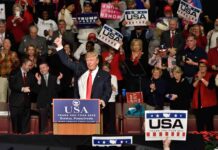
President Trump posted that an energy ceasefire between Russia and Ukraine was “effective immediately,” urging both sides not to break it. Ukrainian President Volodymyr Zelenskyy said Kyiv welcomed the idea but reported attacks on energy targets continued. He said a drone hit a power plant in Kyiv, causing outages, and that energy facilities in Kharkiv were struck soon after the announcement. Kyiv framed these incidents as violations and asked Washington to press Moscow to comply.
Zelenskyy also tied Ukraine’s conduct to Russia’s actions. He said Ukraine was ready to stop strikes on Russian energy infrastructure if Russia stopped attacks on Ukraine’s energy system. That conditional offer matched his public comments in recent weeks. The approach aimed to reduce blackouts for civilians on both sides while avoiding a one-sided pause that could weaken Ukraine’s leverage. The reported post-announcement strikes placed that offer under stress on day one.
Specific Incidents In Kyiv And Kharkiv
Zelenskyy said a drone struck a Kyiv power plant after the ceasefire statement, which caused local power cuts. He then reported that energy facilities in the Kharkiv region were hit. A separate report quoted a Ukrainian official confirming a strike on a joint heating-and-power plant in Kharkiv after Trump’s announcement. These details mattered because they named locations and timing rather than making only broad claims. The reports did not list precise timestamps for each strike.
The claims arrived as part of a wider pattern of attacks on energy systems through recent seasons. Such strikes have aimed to strain grids, reduce heat, and shake public morale. Ukraine argues these sites are civilian objects. International law allows targeting only when a facility clearly supports military action and when expected military gain outweighs harm to civilians. That standard is hard to judge in real time during a fast-moving war.
Russia’s Position And The Ceasefire’s Ambiguity
Russian officials did not immediately publish matching terms. Reporting cited Russian Foreign Minister Sergey Lavrov rejecting the idea, saying a pause would only help Ukraine regroup. A Kremlin spokesman was quoted elsewhere saying contacts over a possible energy ceasefire were continuing, without clear definitions of covered sites. The lack of a shared text created room for clashing interpretations of what counted as an energy target and when the pause began.
Volodymyr Zelenskyy said it is increasingly clear that Russia is unwilling to accept a US-proposed energy ceasefire after strikes on Ukrainian facilities.
Donald Trump announced the ceasefire on Truth Social on Sunday, saying both sides had agreed and it was effective… pic.twitter.com/nJ2dGU7OdK
— ChaosLensX (@ChaosLensX) October 12, 2026
Past ceasefires show why definitions and monitoring matter. The Minsk-related efforts used international observers but still struggled with compliance, disputed incidents, and weak enforcement. Political declarations can calm violence for a time, but vague promises often fail without clear rules and consequences. The current case appears even thinner. The public record shows a short statement, no posted verification plan, and no common list of protected facilities. That gap fueled the immediate dispute.
Why It Matters For Americans
Energy strikes risk blackouts for families, hospitals, and small businesses. When leaders announce a ceasefire that lacks basic details, civilians pay the price if it falters. Many Americans worry elites make headlines but dodge hard work on enforcement. This episode echoes that fear. Clear terms, verification, and accountability are not fancy extras; they are how you protect people and avoid a blame game that drags on while the lights go out.
Sources:
youtube.com, bbc.com, dw.com, npr.org, apnews.com, abcnews.com, cnbc.com