Ukraine offered a time-bound ceasefire if Russia paused strikes, as U.S. envoys shuttled between Moscow and Kyiv to test whether guns could go quiet, even briefly.
Story Snapshot
- Ukraine tied a temporary truce to Russia halting attacks on energy sites.
- The Kremlin dismissed short pauses as unclear and pushed “lasting peace” instead.
- A narrow Easter ceasefire window was later announced and timed by Moscow.
- Analysts say brief truces often serve tactics, not peace, without monitoring.
Ukraine’s Conditional Offer And What It Aims To Stop
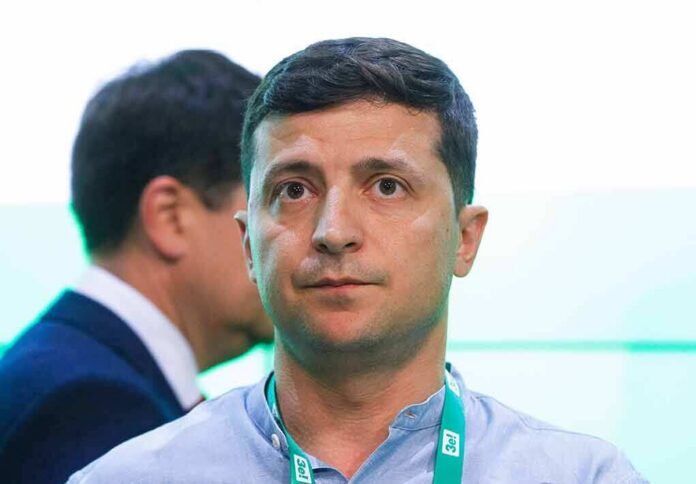
Ukrainian President Volodymyr Zelenskyy said Ukraine would pause air attacks if Russia stopped striking power plants and grids. He linked the offer to holiday timing and safety for civilians, and he said the plan was passed through United States channels. By tying the pause to energy sites, Kyiv aimed to protect heat and light as spring cold lingered and systems stayed fragile. Reuters reported his words and the condition tied to Russia’s behavior.
Such a targeted pause shows a shift from broad calls to a narrow, testable step. It focuses on one slice of the war that hits homes and hospitals first. If both sides held fire on energy sites, cities might avoid rolling blackouts and grid repairs could speed up. That limited goal also gives outside partners a clear yardstick: either the lights stop going out or they do not. Kyiv framed this as a step that could build into talks if it worked.
Moscow’s Stance And A Time-Limited Truce Window
The Kremlin spokesman, Dmitry Peskov, said Russia did not accept a temporary truce and wanted a “lasting peace” deal instead. He also called Kyiv’s proposal unclear. That message set a high bar and signaled Moscow’s control over timing and terms. Soon after, Russia announced a short Easter ceasefire window, with hours set from Saturday afternoon to late Sunday night, which Kyiv indicated it would match if observed.
British media reported that the announced pause was described as the first theater-wide ceasefire window since 2022, tied to Orthodox Easter. The schedule came from Moscow, while Kyiv pointed to its earlier call for an Easter pause. The tight window underscored how fragile any trust remains on both sides. That structure made the truce easy to start and easy to end, which is often how brief pauses work in grinding wars.
Why These Pauses Rarely Hold Without Guardrails
Past pauses show a clear pattern. When there is no joint monitoring, each side doubts the other and keeps options open. The Carnegie Endowment wrote that an earlier Easter truce cut fighting for about thirty hours and then ended, calling it a short reduction, not a step toward peace. That history makes people on both the right and the left wonder if leaders stage pauses for headlines while the war machine rolls on.
Analysts warn that unverified pauses reward whoever uses the break to reload, move units, or shape the story. Citizens across America see the same playbook at home: sweeping claims, thin follow-through, and little real relief. They ask why the world’s top powers cannot set up basic checks that any small truce needs. Without observers, shared logs, and penalties for violations, a “pause” can become a tool, not a bridge to talks.
U.S. Envoys’ Role And What Success Would Look Like
U.S. envoys moved between Moscow and Kyiv as the offer took shape, trying to turn a public pitch into concrete steps. A narrow freeze on energy strikes would be the simplest first test. Success would look like stable power, fewer emergency repairs, and no large missile or drone raids on grids during the window. That would not end the war, but it could save lives and build a record of restraint that future talks could reference.
For Americans weary of big promises, the key measure is delivery, not spin. If leaders want trust, they should agree to simple, public rules that anyone can check. Post the hours. List what is off-limits. Share basic proof after the window closes. People on both sides of our politics want fewer empty speeches and more verified results. A small, clean win can break the cycle where elites talk and ordinary families pay the price.
What To Watch Next
Watch for matching statements from both capitals that list exact targets covered, timing, and how they will verify. Look for a follow-on plan that extends the window if both sides comply. Track whether strikes on power, heat, and grid control centers actually stop during any pause. If envoys secure even one longer window with proof of compliance, it could open space for broader talks. If not, this will join the list of brief, brittle pauses.
Both governments claim they want peace, but their actions during these short windows will tell the real story. Clear terms plus basic verification can turn a pause into a step, not a photo op. Without that, truce talk risks becoming another chapter in a long book of promises that regular people, at home and abroad, can no longer afford to believe.
Sources:
insiderpaper.com, aljazeera.com, pravda.com.ua, reuters.com, en.wikipedia.org, euromaidanpress.com