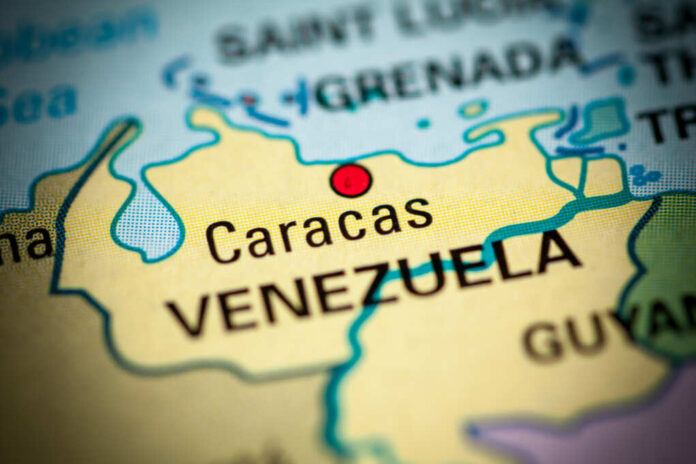
A tense calm holds in Venezuela following the U.S. military’s decisive capture of Nicolás Maduro, shaking the foundations of international diplomacy.
Story Snapshot
- The U.S. military captured Venezuelan leader Maduro, charging him with narcoterrorism.
- Operation Absolute Resolve was executed without Venezuelan ally support.
- Vice President Delcy Rodríguez assumed power, denouncing the act as “kidnapping.”
- Global reactions vary from celebration to condemnation.
U.S. Military Operation Sparks Controversy
On January 3, 2026, U.S. forces launched an unprecedented operation, capturing Venezuelan President Nicolás Maduro in Caracas. Dubbed Operation Absolute Resolve, the mission involved airstrikes and a joint effort by Delta Force and the CIA. Maduro, along with the First Lady Cilia Flores, was apprehended and flown to New York to face charges of narcoterrorism, marking a significant escalation in U.S.-Venezuela relations.
The operation, ordered by President Trump, has drawn criticism and praise. Trump’s administration justified the capture under Article II powers, citing Maduro’s alleged narcoterrorism activities. However, this move has stirred debates over international law and U.S. interventionism. U.S. officials, including Attorney General Pam Bondi and Vice President JD Vance, have emphasized the need to reclaim “stolen oil” and hold Maduro accountable.
Venezuelan Response and Global Reactions
Following the capture, Venezuela’s Vice President Delcy Rodríguez assumed the role of acting president. She condemned the U.S. actions as “imperialist kidnapping” and maintained that Maduro remains the legitimate leader. Rodríguez’s government has called for unity against foreign intervention, urging citizens to remain calm amid the tense political climate. The Supreme Tribunal in Venezuela sanctioned her leadership, reinforcing the country’s defiance.
Globally, reactions have been mixed. While some Venezuelan migrants celebrated the prospect of change, others criticized the U.S.’s unilateral action. The operation has also strained U.S.-Russia relations, given reports of Rodríguez potentially seeking refuge in Moscow. This situation presents a complex geopolitical scenario with far-reaching implications.
Potential Implications and Future Developments
The capture of Maduro sets a controversial precedent for U.S. foreign policy, particularly regarding extraterritorial operations against foreign leaders. In the short term, Venezuela faces the risk of civil unrest, with Rodríguez rallying loyalists to resist U.S. influence. Maduro’s upcoming court appearance could further escalate tensions. In the long term, the situation may lead to a power vacuum or solidify Rodríguez’s leadership, impacting both domestic stability and international relations.
A tense calm holds in Venezuela a day after Maduro was deposed by U.S. https://t.co/j6wnmOQUed #usa #feedly
— Music World 360 (@MusicWorld360x) January 4, 2026
Economically, the operation could shift oil access dynamics, potentially sparking resource conflicts. Politically, it reinforces the narrative of U.S. interventionism, challenging national sovereignty and international law. Republican support for Trump’s decisiveness may bolster domestic approval but also invites scrutiny on the global stage.
Sources:
2026 United States strikes in Venezuela
Tense calm holds in Venezuela day after deposition of Maduro