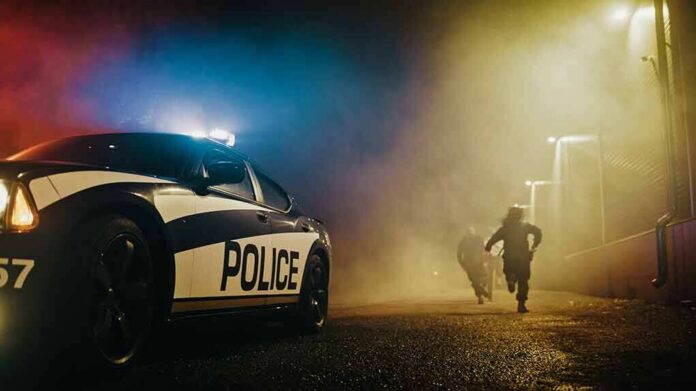
A Georgia street takeover ended with a driver slamming into a police car as officers moved to stop him from fleeing through a packed crowd.
Story Snapshot
- Police say a driver doing stunts tried to flee and crashed into a DeKalb police car.
- Video and police accounts in other cities show cruisers rammed during takeovers.
- Street takeovers have grown nationwide since 2020, straining police response.
- Debates persist over intent, tactics, and due process in fast, chaotic scenes.
Police Account From DeKalb County: Stunt Driving, Fleeing, Crash
DeKalb County officers said they arrived at a Sunday street takeover and saw a 23-year-old driver doing “reckless stunt driving.” Police said the driver tried to flee, even with many people crowding the road. An officer placed his patrol car in the driver’s path to stop a possible rush into the crowd. Police said the driver then crashed into the patrol car and was arrested at the scene on related charges, including reckless stunt driving.
Police described the move as a safety step meant to block a car from surging into pedestrians. That choice reflects a split-second call many officers face when streets are taken over and lines of people ring spinning cars. The goal is to pin in a driver without letting the vehicle gain speed. These actions carry risk. Cars weigh thousands of pounds, and even a low-speed impact can injure officers or bystanders and damage vehicles.
Other Cities Show Similar Clashes and Rising Risks
Chicago police reported a cruiser was struck during a takeover downtown, and local video showed a car hitting and ramming the police vehicle as crowds filmed and cheered. The scene mirrored the same pattern: blocked streets, stunt driving, and a quick police push that met resistance. The event sparked more debate over crowd control and charges for drivers who flee or hit cruisers during the chaos.
New York City officers said a driver in a BMW rammed a patrol car during an attempted arrest at a takeover in Brooklyn, injuring two officers, according to local reporting. The case added to a string of incidents where police cars became targets as officers moved in. These reports, taken together, suggest a national trend of confrontations when officers try to break up illegal stunt gatherings in real time and drivers try to escape.
Why Intent Is Hard to Prove When Streets Turn Into Pits
Courts and the public often focus on one question: did the driver mean to hit the car, or was it reckless flight in a tight space? Records from these events show fast moves by both drivers and officers, shifting angles, and poor sight lines. Affidavits sometimes describe a driver stopping, then suddenly accelerating, which feeds claims of intent and counterclaims about panic or confusion. That mix fuels disputes over charges and over policing tactics at the curb.
Police groups and local reviews say street takeovers rose during and after the pandemic and have proved hard to stop. Agencies report frequent calls, repeat hotspots, and injuries to bystanders, participants, and officers. Departments have tried heavier tows, rapid arrest teams, and roadblocks. Even so, crowds regroup, and social media quickly moves the next meetup. The cycle strains patrol resources and frustrates residents who feel abandoned on their own streets.
Shared Public Concerns: Safety, Accountability, and Trust
Residents across the political spectrum want safe roads, fair enforcement, and real consequences. People angry at lawlessness see ramming police cars as proof that soft penalties invite chaos. People worried about civil rights point to rushed scenes and possible misidentifications in the smoke and noise. Both sides distrust a system they see as slow to protect neighborhoods yet fast to pass blame when plans fail or cases fall apart in court.
Officials face a basic test: stop the danger without making the cure worse. Clear videos, body cameras, and timely charge sheets can help. So can strong traffic laws that target organizers and drivers who flee, paired with rules for safer police tactics when crowds pack in. If leaders deliver on those steps, they can lower the odds of the next cruiser getting hit—and rebuild trust one intersection at a time.
Sources:
foxnews.com, fox32chicago.com, nydailynews.com, fox2now.com