President Trump will greet Chinese leader Xi Jinping at Joint Base Andrews next week, kicking off a rare White House state visit built around trade, Taiwan, Iran, and artificial intelligence.
Story Snapshot
- Trump plans to personally welcome Xi at Joint Base Andrews when he lands for the visit.
- The trip includes a White House arrival ceremony and a state dinner, expected around September 24.
- Officials say talks will touch trade, Taiwan, Iran, and worries about artificial intelligence.
- China has not officially confirmed the visit, even as U.S. officials detail the schedule.
- Past Trump-Xi summits produced limited breakthroughs on the toughest tech and trade disputes.
Trump To Personally Greet Xi On Arrival
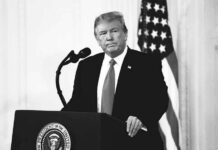
President Trump will welcome Xi Jinping to Washington next week for their second meeting this year, according to multiple reports. U.S. officials say Trump plans to greet Xi in person at Joint Base Andrews when his plane touches down. That kind of airport welcome is a notable gesture, since American presidents don’t always meet foreign leaders the moment they land.
Senior U.S. officials told reporters the heart of the visit happens Thursday, with a formal White House arrival ceremony. Regional reporting adds that Trump and First Lady Melania Trump will host Xi and his wife, Peng Liyuan, across two days, including a state dinner at the White House. Trump himself confirmed the state dinner detail, telling reporters Xi would visit Washington on September 24.
Trade, Taiwan, Iran And AI Top The Agenda
The two leaders are expected to discuss issues “ranging from trade to Taiwan and Iran as well as global worries about artificial intelligence,” according to Reuters. That agenda was set months ago. Politico reported back in May that Trump had already invited Xi and his wife for a White House visit on September 24, giving both sides plenty of time to prepare.
Trade talks may include cuts to tariffs on specific products, something Reuters and other outlets have flagged as part of the discussions. U.S. Trade Representative Jamieson Greer said the countries could announce steps on agriculture and non-tariff barriers, with traders watching for progress on a mutual tariff reduction covering $30 billion in goods. None of that is locked in yet.
Trump officials are also weighing an artificial intelligence executive meeting on the sidelines of the visit, CNN reported, though the network was clear that “nothing has been finalized or scheduled”. That detail matters because artificial intelligence has become one of the most contested fronts in the U.S.-China relationship, touching everything from chip exports to national security.
One Side Has Yet To Confirm The Trip
China has not officially confirmed the visit is happening, even as American officials describe a detailed schedule, CNBC reported. That gap doesn’t mean the visit isn’t real. Chinese state media and diplomatic channels often stay quiet on travel plans until closer to the date. But it does mean much of what the public knows right now comes from the American side.
President Trump hosts Chinese President Xi Jinping in Washington this week for high-stakes talks.
On the agenda:
🤖 Artificial Intelligence
🇮🇷 Iran tensions
📉 Global trade & tariffsA critical meeting shaping the future of US-China relations. 🇺🇸🇨🇳 pic.twitter.com/TmZQEqheUo
— 🦆Javi_DC🐂 (@Javi_Curbelo) September 20, 2026
That pattern showed up before. When Trump traveled to Beijing earlier this year for talks with Xi, both leaders called the meeting “very successful,” but analysts at outlets tracking U.S.-China policy noted the summit produced few concrete deals on the toughest issues, including artificial intelligence, cyber operations, and export controls. Trump himself later told reporters aboard Air Force One that he and Xi hadn’t discussed tariffs at all during that trip, even though the White House said the two sides agreed to set up a “Board of Trade” to manage the relationship going forward.
That history suggests a familiar pattern for this second meeting. Big summits between the U.S. and China tend to produce symbolic gestures and modest, incremental steps rather than sweeping breakthroughs. Experts who track these talks describe the more realistic goal as “managed interdependence” — both countries avoiding a return to all-out trade war without fully resolving their biggest disagreements over technology, security, and Taiwan.
For everyday Americans, the stakes are practical. Tariff decisions affect prices at the store. Artificial intelligence rules affect jobs and national security. And how the two most powerful countries on Earth handle Taiwan and Iran affects the risk of larger conflict. Whatever gets announced at the White House next week will be measured against that backdrop of past summits that generated headlines but few lasting agreements.
Sources:
facebook.com, reuters.com, abcnews.com, chosun.com, businesstimes.com.sg, livemint.com, bbc.com