
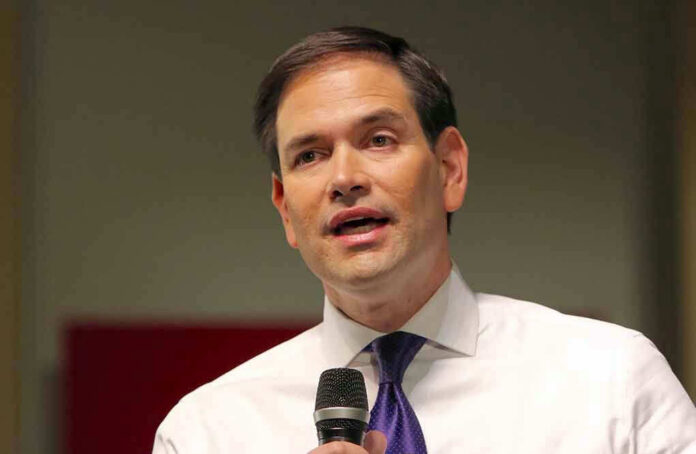
Dozens of senators urged Secretary of State Marco Rubio to make freeing American journalist Reza Valizadeh from Iran a top priority, pressing Washington to act faster as tensions rise.
Story Highlights
- Senators pressed Secretary Marco Rubio to prioritize the release of Reza Valizadeh, a U.S.-Iranian journalist held in Iran.
- The State Department designated Valizadeh “wrongfully detained,” moving his case into hostage-affairs channels.
- Reports link his 2024 arrest to Iran’s security forces and a wider pattern of detaining dual nationals.
- The administration labeled Iran a state sponsor of wrongful detention, adding pressure tools for U.S. negotiators.
Senators Elevate Valizadeh’s Case to the Top Tier
Senators from both parties asked Secretary of State Marco Rubio to prioritize the release of Reza Valizadeh, a U.S.-Iranian journalist jailed in Iran since September 2024. Coverage identified Valizadeh as a former Radio Farda reporter and a dual citizen held at Evin Prison. Lawmakers framed his case as urgent and emblematic of a broader problem with Iran’s detentions. Their push adds public pressure on President Trump’s team to deliver a result and bring an American home.
The State Department has officially deemed Valizadeh “wrongfully detained,” which moves his case into the U.S. hostage-affairs process. That designation triggers specialized resources, including a dedicated envoy, to coordinate efforts with allies and private groups to secure release. Officials and advocates argue this step matters because it treats the detention as political, not criminal. This approach can change leverage points and speed talks focused on detainee swaps or humanitarian outcomes.
What We Know About the Arrest and Charges
Reports say Iranian security forces arrested Valizadeh in Tehran in September 2024, after he returned to visit family. Analysts and advocates link the arrest to his journalism for Radio Farda, a Persian-language outlet. They describe charges that fall under vague national security laws often used against dual nationals. These reports fit a pattern that watchdogs and researchers have documented for years inside Iran’s justice system and security services.
International legal analysis describes Iran’s detention of foreign and dual nationals as a form of hostage-taking used for leverage in disputes with other countries. This pattern places detainees at the center of diplomatic bargaining, not ordinary trials. When detainees are tagged “wrongfully detained,” the case often shifts from courts to negotiation tables. That shift can increase outside pressure while also narrowing the paths to a safe, timely release.
Policy Tools and Pressure on Tehran
The administration labeled Iran a state sponsor of wrongful detention. That step unlocks sanctions tools and signals a harder line on governments that use people as bargaining chips. The move also warns Americans to avoid travel to Iran and highlights the risks to dual nationals. Supporters say this is needed to deter future arrests. Critics worry it can reduce space for quiet deals, but officials argue it strengthens U.S. leverage in the long run.
Human rights groups and former detainees say speed matters. Health issues mount inside Evin Prison, families face trauma, and talks can stall as larger crises grow. Senators now want the State Department to keep Valizadeh’s case on the front burner. Many Americans across the political spectrum agree on one core point: the government must protect its people. Bringing detained citizens home tests basic promises about dignity, duty, and the value of a U.S. passport.