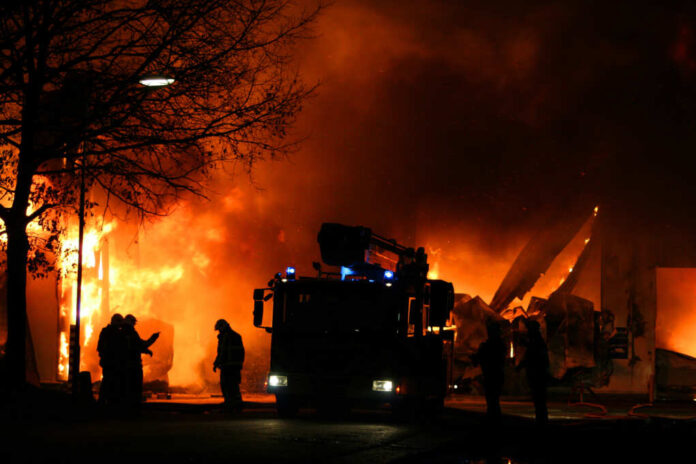
An explosion at an explosives manufacturing facility in Tennessee killed 16 workers, according to local authorities and federal investigators.
Story Overview
- Catastrophic explosion at Tennessee explosives plant kills 16 workers.
- Industrial safety and regulatory oversight come under scrutiny.
- Media coverage of the disaster quickly diminishes.
- Victim identification relies on DNA testing due to the severity of the blast.
Explosion at AES Plant: A Tragic Event
On October 10, 2025, a devastating explosion occurred at the Accurate Energetic Systems (AES) explosives manufacturing plant near Bucksnort, Tennessee. The explosion resulted in the deaths of 16 workers and injured at least four others, according to the Tennessee Emergency Management Agency. Analysts at the U.S. Chemical Safety Board described it as one of the most severe industrial accidents in recent U.S. history. Emergency responders faced significant challenges due to ongoing secondary explosions, complicating their efforts to manage the crisis effectively.
The explosion was so powerful that it was detected by weather radar and felt over 20 miles away. Identification of victims required DNA testing due to the severity of the blast, underscoring the catastrophic nature of the incident. The incident has renewed discussion among safety experts about existing federal and state oversight in industries that handle high explosives, including calls for review from occupational safety analysts such as Dr. Michael Wright, former safety director at the United Steelworkers union.
Impact on Community and Industry
The local community, already familiar with previous disasters such as deadly floods in 2021, faces a new wave of grief and uncertainty. The plant, which employed about 75 people, was a significant economic entity in the area. The disruption caused by the explosion has immediate implications for the community’s economic stability and raises long-term concerns about industrial safety regulations and oversight.
The explosion at the AES plant brings attention to the broader industry and potential gaps in safety practices. Industrial safety specialists, including Dr. Nancy Leveson of MIT’s Engineering Systems Division, emphasize the need for stricter adherence to safety protocols and better enforcement mechanisms in sectors involving hazardous materials. The Department of Defense, a major client of AES, will likely reassess contractor safety standards to prevent future occurrences.
Media Coverage and Public Response
Despite the scale of the disaster, national media coverage rapidly diminished, leading to criticisms about systemic underreporting of industrial incidents affecting working-class communities. This lack of attention raises concerns about accountability and transparency in reporting such significant events. The community and labor advocates call for sustained media engagement to ensure that the voices of affected families are heard and that necessary actions are taken to prevent similar tragedies.
16 People Killed in Blast at Tennessee Explosives Plant, Officials Confirm https://t.co/TwYCytcRol
— MDO (@marchiondorr) October 12, 2025
As investigations continue, the incident serves as a stark reminder of the potential dangers inherent in industrial operations. The need for stringent safety measures and robust regulatory oversight is more evident than ever, and this tragedy should catalyze meaningful changes in industry practices and policy enforcement.
Sources:
Wikipedia: 2025 Accurate Energetic Systems explosion
World Socialist Web Site: 16 workers killed in Tennessee explosion