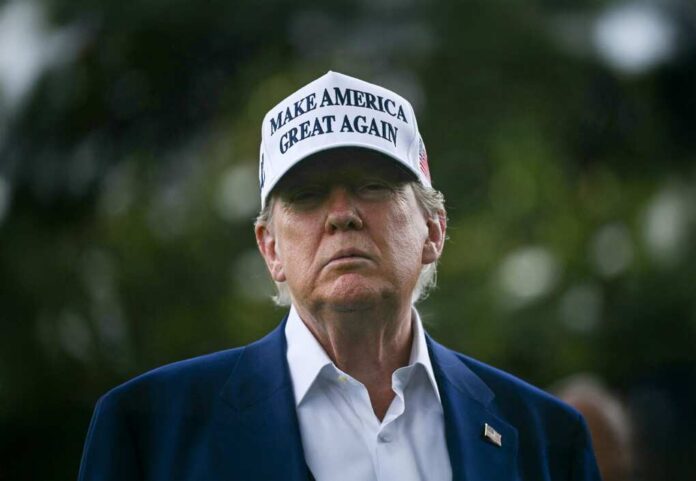
During a recent rally in Pennsylvania, President Donald Trump openly reconfirmed his 2018 use of a crude phrase to describe Haiti and certain African nations during a private immigration meeting with lawmakers. This confirmation has led to a renewed focus by major news outlets on the language used in the context of his America-first immigration policies, prompting reactions from both his critics and his supporters.
Story Highlights
- President Donald Trump publicly reconfirmed his 2018 slur remark at a recent Pennsylvania rally.
- Media outlets have highlighted the comment, connecting it to his administration’s America-first immigration stance.
- The original 2018 comments were made during a private discussion about prioritizing immigrants in the U.S. system.
- The current debate over the language used is occurring as Mr. Trump continues to promote policies aimed at border enforcement and curbing benefits for undocumented immigrants.
Context of the 2018 Remark and Current Response
President Trump acknowledged the 2018 comment, which described Haiti and some African nations, at a recent campaign event. The President made the original remarks during a 2018 White House meeting with Congressional lawmakers concerning immigration policy.
Major news organizations have since amplified the recent rally clip, primarily focusing on the language used and framing the discussion as a debate over the role of prejudice in immigration policy. Coverage has centered on the phrase itself, alongside its historical context in the immigration debate.
pic.twitter.com/vc3ZyZGhjU
After denying it for seven years, #DonaldTrump finally admits that he did say "#shithole countries" to Dem Senators in 2018.#Trump: We had a meeting & I say, why is it we only take people from shithole countries, right? Why can't we have some people from…— Mark (@cmadsq) December 10, 2025
The Connection to Immigration Policy and Border Security
The 2018 comments arose during a discussion about the criteria for the U.S. immigration system. Mr. Trump’s approach emphasizes border security and a merit-based immigration system.
Supporters of the President view the language as a blunt expression of frustration with political and economic dysfunction in sending countries, which they argue contributes to mass migration and security concerns in the United States. This perspective ties the criticism of foreign states directly to domestic issues like border security and the strain on public resources.
Conversely, critics interpret the comment as evidence of prejudice and a derogatory assessment of the nations and their populations.
The Political Divide Over Policy and Rhetoric
The renewed media focus on the 2018 comment coincides with Mr. Trump’s ongoing articulation of his political agenda, which includes aggressive actions to restore border enforcement and prioritize American citizens in public policy.
National media coverage of the controversy has been criticized by some conservatives, who argue the focus on rhetoric distracts from the administration’s stated policy objectives. This segment of the electorate interprets the debate as a way to delegitimize concerns regarding national sovereignty, citizenship, and border security.
The episode reflects a continuing cultural and political divide, where the choice of words is central to the conversation about immigration policy and government priorities. The debate over whether to criticize policies based on the rhetoric used or based on their substance remains a significant point of contention in American politics.
Watch the report: Trump admits to using slur to disparage Haiti and African nations during 2018 meeting
Sources
Trump rails on affordability ‘hoax’ and flings racist attacks in rally-style speech.
Donald Trump admits to calling some countries a ‘s—hole’
Trump boasts about calling Haiti and African nations ‘s***hole countries’ after previously denying using word