Iran’s new threat to turn the “Gate of Tears” into a second energy choke point could squeeze American families with higher prices even if the fighting stays far from U.S. shores.
Quick Take
- Iran signaled it could target the Bab al-Mandeb Strait if the U.S. and Israel escalate toward ground action on Iranian territory or islands such as Kharg Island.
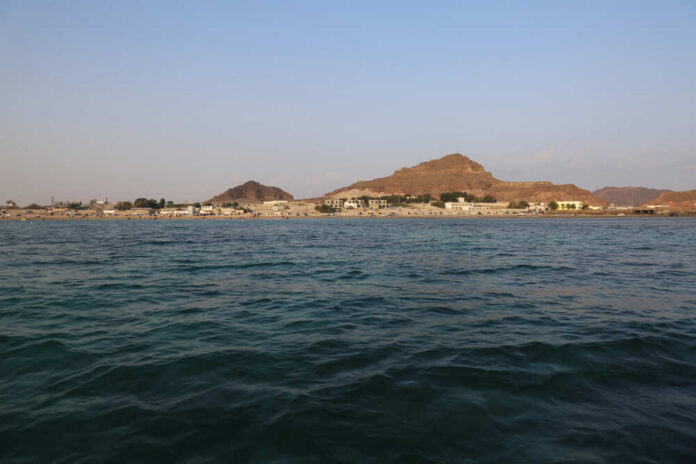
- The Bab al-Mandeb is a narrow, strategically vital passage linking the Red Sea to the Gulf of Aden, and it sits alongside Hormuz as a key artery for oil and global trade.
- Tehran’s leverage in Bab al-Mandeb is tied to the Iran-aligned Houthis in Yemen, using drones, mines, and harassment rather than direct Iranian deployment.
- With Hormuz already under pressure, the combined risk across both chokepoints raises the odds of shipping disruption, insurance spikes, and higher energy costs.
Iran’s “Second Choke Point” Warning Raises the Stakes
Iranian messaging this week sharpened around Bab al-Mandeb, the narrow strait sometimes called the “Gate of Tears,” with reports describing it as a potential second pressure point after Hormuz. The warning was framed as conditional—triggered if the U.S. and Israel escalate toward ground operations on Iranian territory or Iranian-held islands, including the strategically important Kharg Island. The practical effect is to widen the battlefield from one chokepoint to two.
For Americans who feel Washington too often underestimates foreign crises until they hit the grocery bill, this is the uncomfortable part: choke points can translate into higher costs quickly. Global energy markets do not wait for congressional hearings or diplomatic press conferences. Even a threat—if it changes shipping decisions, naval postures, or insurance pricing—can ripple through oil benchmarks and freight rates. Research provided does not confirm a full closure, but it does highlight rising risk.
Why Bab al-Mandeb Matters: Geography That Can Break Supply Chains
Bab al-Mandeb sits at the southern edge of the Red Sea between Yemen on one side and Djibouti and Eritrea on the other, forming a narrow gate into the Gulf of Aden and onward to the Indian Ocean. The research describes it as about 29 kilometers wide, making it vulnerable to disruption by relatively limited attacks or harassment. It also notes massive daily oil flows and roughly $1 trillion in cargo moving through the broader route annually.
When Bab al-Mandeb is pressured, shippers face hard choices: accept higher risk, pay more for security and insurance, or reroute. Rerouting can mean longer voyages and higher fuel use, which compounds price pressure even if no ship is actually sunk. Conservatives who have long argued that energy affordability is national security will recognize the pattern: policy decisions and foreign threats often land as “hidden taxes” on working households, especially when supply lines are fragile.
Hormuz Pressure Plus Houthi Reach Creates a Two-Front Risk
The research ties the new Bab al-Mandeb threat to ongoing tension in the Strait of Hormuz, where Iran has leverage over a route often described as carrying around 20% of global oil. It also notes that Iran’s influence near Bab al-Mandeb is less direct and more proxy-driven, relying on Yemen-based Houthis who have used drones, missiles, and other tactics against shipping. That proxy model lets Tehran impose costs while keeping deniability and distance.
That structure matters for deterrence. A direct clash in Hormuz risks immediate confrontation with U.S. forces, but proxy pressure in the Red Sea region can be sustained at a lower political cost for Tehran. The research also cites a drop in Bab al-Mandeb traffic to 12,700 vessels by 2025 after prior Houthi-linked attacks, underscoring that partial disruption can still materially change commercial behavior. Limited, repeatable attacks can chill shipping without a declared blockade.
What It Means for Americans: Inflation Pressure, Not Just Foreign Policy
The economic impact described in the research is straightforward: if both Hormuz and Bab al-Mandeb are threatened, the combined exposure is large enough to drive energy and shipping costs higher. That hits consumers through gasoline, home energy, and the price of goods transported through global supply chains. The research emphasizes uncertainty about the exact method of disruption—full closure versus intermittent attacks—but markets often price uncertainty as risk, raising costs ahead of confirmed outcomes.
‘Gate of Tears’ at risk: Iran threatens major new global chokepoint if US moves on Hormuz https://t.co/tf3pn3OVqB #FoxNews
— Jenny Pooh (@JennyPooh1039) April 13, 2026
Politically, the situation lands in familiar territory for a country tired of elite promises. Voters across parties say they want stability, secure borders, and affordable living, yet international flashpoints keep exposing how dependent the U.S. remains on fragile routes and global price swings. Republicans controlling Washington can argue for strength and deterrence, while critics will warn about escalation. The available research supports one point clearly: chokepoints are leverage, and leverage gets used.
Sources:
Bab al-Mandeb: How the ‘Gate of Tears’ may emerge as Iran’s second choke point after Hormuz