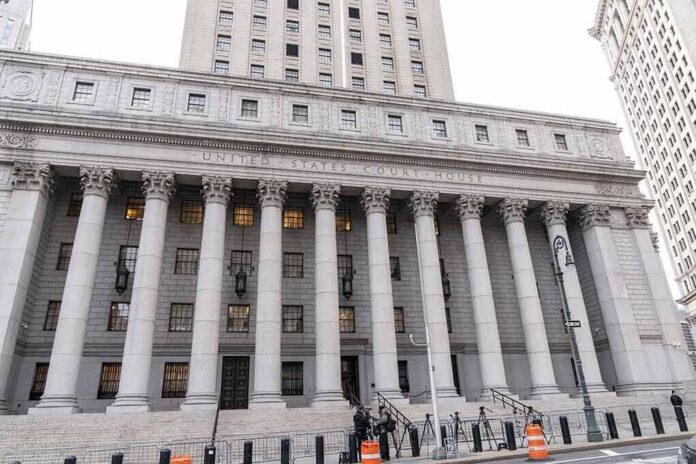
A federal magistrate judge in Miami denied Andrew and Tristan Tate’s bid for release, keeping them jailed while they fight extradition to the United Kingdom on rape and trafficking charges.
Story Snapshot
- A Miami judge denied bail for the Tate brothers during their UK extradition fight.
- Prosecutors argued the brothers are a flight risk and danger to the community.
- Defense said strict conditions and high public visibility would prevent flight.
- Extradition law sets a strong presumption against bail, with rare exceptions.
What The Court Decided And Why It Matters
Magistrate Judge Lauren Louis denied bail for Andrew and Tristan Tate, meaning they will remain in federal custody while their extradition case proceeds in Miami. The brothers face rape, assault, and sex trafficking-related charges in the United Kingdom, which they deny. Prosecutors urged the court to keep them detained, calling them a flight risk and a danger to the community. The decision aligns with how United States courts often treat extradition cases, which favor detention pending surrender decisions.
Defense lawyers asked the judge to set release terms such as surrendering passports and real-time location monitoring. They said the brothers’ high public profiles make fleeing unrealistic, and argued they need freedom to prepare their defense. Reuters reported the defense proposal and timeline as the court weighed options. Despite those arguments, the judge did not find reasons strong enough to overcome the legal presumption that favors detention in international extradition matters.
The Legal Standard In Extradition Bail
United States extradition law places a heavy burden on people facing transfer to another country. The Department of Justice explains that there is a presumption against bail in international extradition. Only “special circumstances” can justify release, and even a low risk of flight is usually not enough on its own to meet that test. Courts lean this way to protect treaty commitments and to avoid diplomatic harm if a person flees while a foreign case is pending.
This framework often surprises the public. Many people think bail decisions should mirror normal criminal cases. They do not. Extradition is a treaty process, not a trial on guilt or innocence. Judges focus on whether the person will appear and whether the process can move forward without risk. That is why prosecutors emphasized risk and safety and why the defense tried to show reliable court attendance abroad and strict conditions at home.
What Both Sides Said In Court
Prosecutors said the Tates could flee or interfere if released. They cited the seriousness of the allegations and the brothers’ resources and reach. The Associated Press summarized the government’s view that detention protects the community and the process while the court reviews the United Kingdom’s request. That argument fits the common pattern in extradition cases, where the government points to public safety and international obligations under the treaty system.
🚨🇺🇸 The Judge Lauren Louis has DENIED Andrew & Tristan Tate bail because she believes they’re a “risk of flight.” 🤔
Two innocent men who have ever been convicted in court. They have no evidence against them, because if there was they’d be locked up for good. They have not been… https://t.co/EZ2sM68byL pic.twitter.com/LtQglMYhgJ
— Neo (@neoupdateshq) September 9, 2026
Defense attorneys countered that strict monitoring, passport surrender, and the brothers’ public visibility would prevent escape. They also noted past court appearances in Europe and argued they need better access to counsel to fight extradition. Reuters reported those points, including the claim that the brothers’ fame makes hiding difficult. The judge still applied the higher extradition bar, where “special circumstances” are required and are rarely found.
Why This Resonates Beyond The Case
This ruling taps a wider frustration on the left and the right: a sense that powerful systems often move people around while due process feels out of reach. Extradition law is strict by design. It puts treaty promises ahead of individual bail norms to keep cases on track. That design can look harsh when a person has not been convicted. Yet it is how the United States has long managed cross-border justice with allies.
For readers worried about fairness and government overreach, two ideas can both be true. First, the denial of bail here follows well-known extradition rules, not a judgment on guilt. Second, those rules are tough and leave little room for release, which can feel like punishment before trial. The public will get more answers as the court weighs the evidence that the United Kingdom submits and decides whether to certify extradition.
Sources:
theguardian.com, apnews.com, npr.org