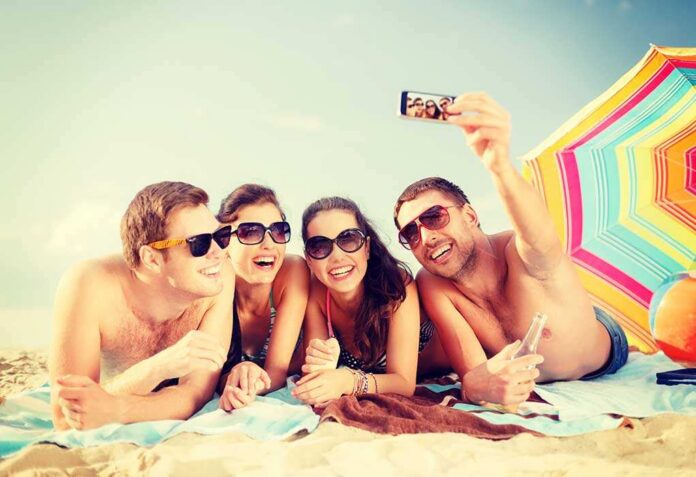
From Nantucket to theme parks, businesses are drawing hard lines on influencer filming to protect guests and safety — and the backlash is spreading.
Story Snapshot
- A Nantucket antiques shop posted a “No Influencers” sign, igniting a national debate.
- Six Flags issued a lifetime ban after a roller-coaster stunt filmed for attention.
- Two YouTubers were arrested after bypassing security at a World Cup venue, citing streaming goals.
- Luxury hotels are tightening filming rules, sometimes canceling stays over planned content.
What Sparked The Latest Flashpoint
A Nantucket store called Four Winds Craft Guild hung a sign saying “No Influencers,” and the image went viral in late July. Owner John Sylvia said the sign was tongue-in-cheek, yet he also described a real problem: people using his shop as a stage rather than a store. He said he does not hate influencers, but he wants respect for customers, staff, and the shop’s history. The dust-up drew national coverage and divided public reaction online.
Several reports said the store framed the sign as a response to guests who seemed focused on content over courtesy. That view resonated with locals who worry that social media crowds change small-town life and block aisles. Critics, including known creators, called the sign unfair. The image turned one door poster into a culture fight about who sets the rules inside private businesses and how filming affects everyday people trying to shop.
Where Venues Are Tightening Rules
Theme parks and stadiums are setting sharper lines, often tied to safety and access. Six Flags said guests who break the Code of Conduct are not allowed in the parks. After a viral clip of a rider eating chicken nuggets on a roller coaster, the park issued a lifetime ban to the person involved, citing rules meant to keep rides safe for everyone. The message was simple: viral stunts are not worth risk to riders or staff.
Police in Miami said two Argentine YouTubers got arrested after they slipped past three layers of security at a World Cup match. One reportedly told officers he was an influencer who wanted to stream the game. Authorities treated the conduct as a security breach, not harmless filming. The case shows venues can view access scams or stunt streaming as interference with paid events, not protected content creation.
How Hotels And Resorts Are Responding
Luxury properties are also drawing firmer lines on cameras. Reporting on the Aman brand described a case where staff told a guest, days before arrival, that the resort could not host him if he planned to make content. The hotel later canceled the booking by email and messaging app, according to coverage. The approach suggests some high-end destinations now require advance approval for influencer shoots or decline them outright.
Travel industry voices say coordinated plans can let creators work without disturbing other guests. Some policies allow personal photos but require written approval for sponsored or commercial filming. Other rules limit filming in shared spaces to protect privacy and calm. These steps try to balance publicity value with guest experience. Clear rules also reduce gray areas that can fuel public spats and viral outrage cycles.
Why This Touches A Nerve Across Politics
Many Americans on the left and right feel elites bend rules for fame while regular people get squeezed. Viral filming that blocks walkways, jumps lines, or bends policies feeds that view. Small shops and local workers say they shoulder the cost when a place becomes a backdrop. Parks and stadiums warn that stunts raise safety risks and disrupt paying customers. These concrete complaints match what people already feel: common sense rules are getting drowned out by clout chasing.
At the same time, some argue that filming in public spaces is part of free expression if it follows the law. They worry that blanket hostility could chill speech or confuse normal tourists who shoot family videos. The stronger middle ground is clearer, posted conduct rules that focus on behavior, not identity. The best evidence so far shows venues punish specific actions, like unsafe stunts or trespass, not the label “influencer” itself.
What To Watch Next
Watch for more venues to publish plain filming policies at entrances and in booking terms. Expect faster bans for stunts that risk safety or block operations. Look for hotels to ask about filming plans before check-in and to require written approval for professional shoots. Cities and parks may log complaints more carefully to back up enforcement. Clear, narrow rules reduce ambiguity, protect guests, and make it harder for bad actors to hide behind a camera.
Sources:
facebook.com, usatoday.com, yahoo.com, nytimes.com, petapixel.com, eonline.com, today.com, cnn.com, articleted.com