New York City set a firm 2032 date to shut Rikers Island, five years past the legal deadline and dependent on new borough jails and a sharp population drop.
Story Snapshot
- City released a 75-page “Close Rikers Strategic Plan” targeting Dec. 31, 2032.
- Four new borough jails would replace Rikers, opening in phases from 2029 to 2032.
- Plan aims to cut the jail population from about 6,600 to near 4,100.
- City law still requires closure by Aug. 31, 2027, so legislation must change the deadline.
What City Hall Announced And When It Would Happen
Mayor Zohran Mamdani released a 75-page “Close Rikers Strategic Plan” that sets December 31, 2032 as the closure date. The plan replaces Rikers with four borough jails and lays out a phased timeline. Brooklyn would open first in 2029. The Bronx and Queens would follow in 2031. Manhattan would come online in 2032. Officials described these as safer, smaller facilities tied to court access and services near families and lawyers.
FOX 5 reported each site is planned for 1,040 beds, which implies about 4,160 total beds when all four open. Some outlets rounded capacity to about 4,100 or about 4,500, which shows inconsistency in public figures. City Hall framed the phased openings as the path to end jail operations on Rikers once enough replacement capacity exists and court processes speed up to reduce time in detention.
How The Population Would Shrink To Fit New Capacity
The plan seeks to lower the average daily population from about 6,600 to near 4,100. City Hall links the drop to diversion to treatment, supervised release, expanded housing and social services, and faster court processing. The roadmap says the city will push quicker discovery, faster forensic work, and better record production to cut case delays. Officials tie these steps to fewer pretrial days in custody and to steadier court appearances.
New York has reduced jail numbers before. Earlier city reports credited lower crime, more alternatives to incarceration, and expanded supervised release. The city’s jail population fell 58 percent from its 1991 peak, showing that sustained changes can bring numbers down. But the current target is large and will require many parts of the system to move in step, from police and labs to courts and defense.
The Legal Clock, The Funding Pledge, And The Roadblocks
City law still requires Rikers to close by August 31, 2027. The mayor cannot change that date alone. The administration says it will seek City Council approval to shift the deadline to 2032. That means lawmakers must pass a new law or the city risks missing the current mandate. The five-year slip shapes public reaction, because the law on the books points to a much faster finish.
ABC7 reported a proposed $146 million in next year’s budget to support the shift. Coverage described funding for community programs, supervision, job training, education, mental health care, and drug treatment. The plan also promises quarterly progress reports so the public can track buildouts, court metrics, and shifts in jail counts. These reports could help measure real movement against the timeline and the cost curve.
Why This Matters To Safety, Rights, And Trust In Government
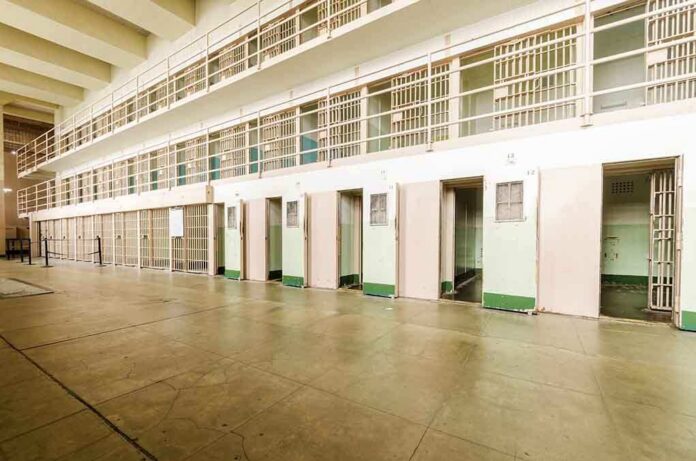
Rikers is known for violence and deaths, which spurred years of pressure to close it. The city’s blueprint tries to balance safety and dignity by moving people to smaller sites closer to home, while reducing how long people wait in jail before trial. The pitch is that better case speed and services can hold people accountable while cutting harm inside the jail system.
Mayor Mamdani unveiled a plan to close Rikers Island by 2032 and replace it with four borough jails, cutting the jail population to about 4,100 — but the city will miss its 2027 deadline by five years. https://t.co/p8bGxxZuqg pic.twitter.com/PhXjKTpHD1
— Profilo politics (@profilopolitics) November 20, 2026
The risk is execution. The first new jail is not slated to open until 2029, and the last in 2032. Each project must clear design, contracts, and construction on time. Police, prosecutors, courts, and labs must cut delays to meet the population goals. The Council must act on the legal date. If any link breaks, the schedule slips, costs grow, and public trust erodes further—exactly what many Americans already fear about government performance.
Sources:
facebook.com, abcnews4.com, today.com, edition.cnn.com, queenseagle.com, english.elpais.com, huffpost.com, unbiasedheadlines.com, nyc.gov, averyreview.com