Israel’s push deeper into Lebanon to “fortify” a security zone against Hezbollah rockets is now testing how far a sovereign nation must go to protect its people in a very dangerous neighborhood.
Story Snapshot
- Netanyahu orders a “deepening” of Israeli ground operations in Lebanon to secure a buffer zone against Hezbollah attacks.
- Israeli forces are pushing beyond a self-declared line inside Lebanon to seize strategic areas and protect northern communities.[1][2][4][5]
- Critics abroad frame the move as escalation, while Israel calls it a necessary shield against rockets, drones, and anti‑tank fire.[2][4][5]
- The fight highlights how Israel faces the same security-versus-global-pressure dilemma many conservatives see at America’s own borders.[2][4]
Netanyahu’s ‘Deepening’ Operation And The Security Zone Strategy
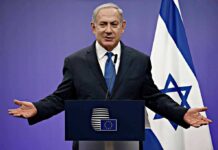
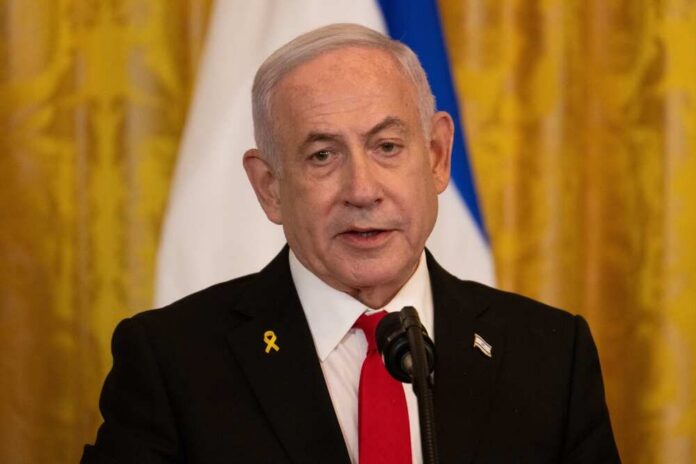
Israeli Prime Minister Benjamin Netanyahu publicly confirmed that he has ordered a “deepening” of Israel’s military operation in Lebanon, explicitly tying it to the need to secure a stronger buffer against Hezbollah attacks on Israeli towns.[1][3][5] In video remarks, he stated that Israel is “deepening our operation in Lebanon” and “fortifying the security zone to protect the northern communities,” making clear that the central justification is civilian defense, not symbolic posturing.[1][2][5] Reports describe Israeli forces operating with significant ground strength as part of this shift.[1][2]
Coverage from regional and international outlets notes that Israel’s military is expanding its ground operations in southern Lebanon beyond a previously self-declared line, often called the Yellow Line, which served as an informal buffer zone inside Lebanese territory.[1][2][4][5] According to these reports, this deeper advance is framed by Israel as an effort to push Hezbollah rocket and anti‑tank capabilities farther away from Israeli border communities, reducing the group’s ability to launch quick cross‑border strikes.[2][3][4] Netanyahu presents this as a strategic change in the north meant to deter future attacks.[3][5]
Hezbollah Threats, Buffer Zones, And Civilian Protection
Israeli and international reporting emphasize that Hezbollah has used areas in southern Lebanon to launch rockets, guided missiles, and explosive drones against Israel, often from villages and built‑up terrain that complicate defensive responses.[2][4] Israel’s government argues that simply absorbing fire across the border is not sustainable, so pushing Hezbollah’s effective range back through a deeper security strip is necessary to protect civilians and troops.[2][3][5] This concept mirrors how many conservatives view border security: distance, barriers, and deterrence matter when hostile actors operate close by.
Analysts covering the fighting explain that Israeli forces are crossing their own self‑imposed demarcation, securing key areas, and attempting to deny Hezbollah firing positions, particularly where the group can target northern Israeli communities with rockets or drones.[2][4] Reports mention that the operation includes strikes on Hezbollah infrastructure and positions, with Israel stating that it is focusing on militants and military assets rather than Lebanese governance structures.[2][4] At the same time, ongoing exchanges of fire between Hezbollah and Israel have led to casualties and raised concerns about escalation across the region.[2][4]
Escalation Concerns, Ceasefire Uncertainty, And The Global Narrative Battle
As ground activity pushes deeper into Lebanon, critics and some foreign media frame the move as an aggressive escalation that risks greater civilian harm and regional instability, especially amid broader ceasefire negotiations involving Iran and other actors.[2][4][5] Reports note that the fighting continues despite talk of ceasefire deals, with Hezbollah responding by targeting Israeli forces with rockets, drones, and artillery as they advance.[2][4] This has fueled a narrative that Israel’s actions could undercut diplomacy, even while Israel insists it is acting within its right to self‑defense.[2][4]
🔔'Prime Minister Benjamin Netanyahu, today, at the start of the Security Cabinet meeting:
"As per the directive of myself, the Defense Minister and the IDF Chief of Staff, we are deepening our operation in Lebanon. The IDF is operating with large forces on the ground and seizing… pic.twitter.com/N6UCXYGFo5— Renate Brigitte Mierscheidt (@RenateBrigitte3) May 27, 2026
Middle East coverage highlights the familiar messaging split that conservatives will recognize from other security debates: Israel emphasizes a defensive buffer, deterrence, and the need to finally change the security reality in its north, while opponents stress sovereignty concerns, occupation language, and civilian risk on the Lebanese side.[2][4][5] Reports describe Israel “fortifying” its security zone and seizing control of areas, language that supporters interpret as necessary hard power and critics present as expansion.[1][2][5] The outcome of this clash of framing will shape international pressure and support going forward.
Sources:
[1] YouTube – Netanyahu announces ‘deepening’ of Israeli military operation in …
[2] YouTube – Netanyahu orders military to expand invasion of southern Lebanon
[3] Web – Netanyahu Announces Expansion of Security Zone as Israel Steps …
[4] Web – Benjamin Netanyahu announces expansion to Lebanon buffer zone
[5] YouTube – Israel to expand operations in southern Lebanon