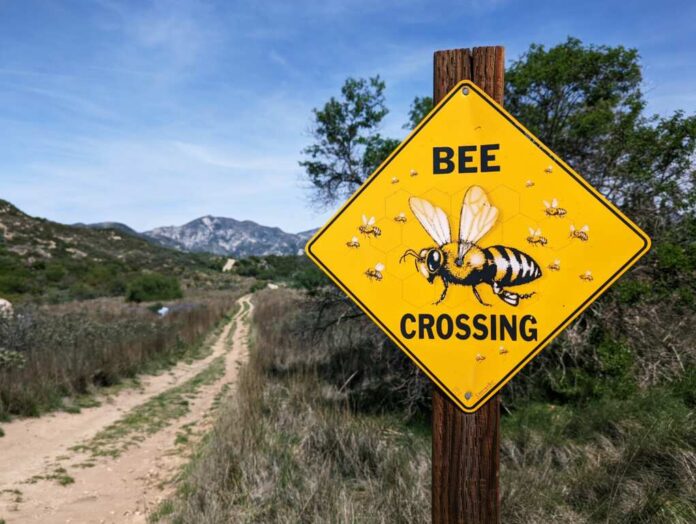
Australia’s last major agricultural stronghold has fallen to the deadly Varroa destructor mite, marking the end of the continent’s unique status as the world’s only varroa-free honey bee sanctuary.
Story Snapshot
- The Varroa destructor mite was detected in New South Wales in 2022, marking a biosecurity breach.
- Australian authorities have shifted from eradication efforts to a permanent management strategy.
- Honey bee colonies face potential losses, and pollination costs for agriculture are expected to increase.
- Movement restrictions and emergency controls remain active as authorities respond to the threat.
Australia’s Biosecurity Fortress Breached
The Varroa destructor mite’s arrival in Australia represents a significant breach of the country’s biosecurity defenses. This parasitic killer, which has devastated honey bee populations across every other continent, was first detected in Australia at Newcastle Port in June 2022. After a 14-month emergency response, authorities officially abandoned eradication efforts in September 2023, marking a shift toward management.
Australian beekeepers now face the same reality that has plagued their global counterparts for decades. Authorities have implemented strict movement controls and permit requirements for all bee-related activities, but these measures only slow the spread. The National Management Group has acknowledged that complete containment is impossible, marking Australia’s entry into a new era where honey bee survival depends on chemical treatments and intensive management protocols.
Deadly honey bee parasite detected in Australian beehives https://t.co/Xn0tldUuR0 pic.twitter.com/8MD2ON5l8q
— New York Post (@nypost) August 15, 2025
Economic Devastation Spreads Beyond Beehives
The mite’s invasion threatens far more than honey production, affecting the foundation of Australia’s food security through pollination services. Commercial beekeepers face immediate colony losses and exponentially higher operating costs as they implement chemical treatment regimens. Fruit, nut, and vegetable growers dependent on pollination services brace for reduced crop yields and dramatically increased pollination fees. Rural communities built around agricultural prosperity now confront an uncertain future as this microscopic parasite reshapes their economic landscape.
Australia’s unique position as the last varroa-free continent provided competitive advantages in global honey markets and agricultural exports. That advantage has now been lost, forcing the industry to compete on equal footing with nations that have managed varroa for decades. The economic ripple effects will cascade through supply chains, ultimately reaching consumers through higher food prices and reduced agricultural productivity across pollination-dependent crops.
Government Management Strategy Replaces Failed Eradication
Federal and state authorities have pivoted to the National Varroa Mite Response Plan, focusing resources on management rather than elimination. This strategy emphasizes education programs teaching beekeepers integrated pest management techniques, chemical treatment protocols, and hive monitoring systems. Agriculture Victoria continues updating regulations and movement restrictions while preparing the industry for permanent coexistence with this destructive parasite. The transition acknowledges that Australian honey bees will require lifelong chemical dependency to survive varroa infestations.
Experts stress that Australia’s late entry into varroa management provides opportunities to learn from global experiences and potentially minimize some impacts. However, the fundamental reality remains unchanged: Australian beekeepers must now master complex treatment schedules, monitor mite levels continuously, and accept ongoing colony losses.
Sources:
Bee Aware – Royal Society of Victoria
Varroa Mite Frequently Asked Questions – Agriculture Victoria
Varroa Mite – Australian Government Department of Agriculture
Varroa Mite Current Situation – Agriculture Victoria
The Destructor: Not All Bad News for Bees – UNSW Sydney