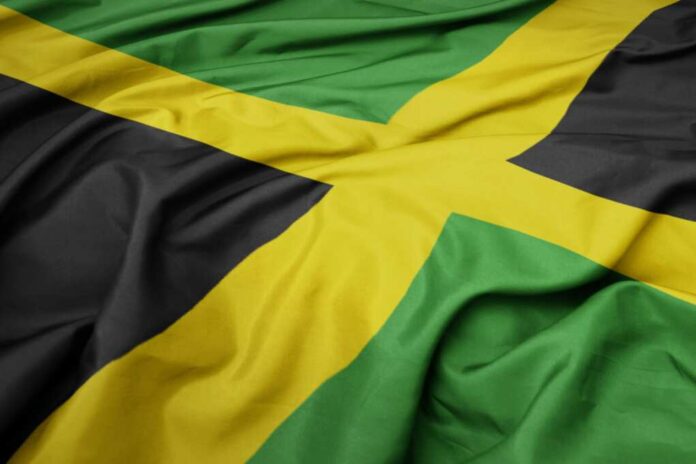
Jamaica’s tourism-dependent communities have been left in ruins, and the scale of devastation after Hurricane Melissa has exposed deep vulnerabilities that international agencies failed to address.
Story Snapshot
- Hurricane Melissa’s catastrophic impact plunged Jamaica into economic and humanitarian crisis.
- Infrastructure and homes across Jamaica are “unrecognizable,” crippling daily life and the tourism sector.
- Government and aid agencies scramble as emergency shelters overflow and thousands remain displaced.
- Economic losses estimated at $8 billion threaten Jamaica’s recovery for years to come.
Hurricane Melissa Leaves Jamaica in Crisis
Late October 2025, Hurricane Melissa—an unforgiving Category 4 storm—made landfall on Jamaica’s southern coast. The island endured unrelenting winds and flooding, flattening entire communities and leaving infrastructure in shambles. Within days, Melissa’s destructive force had rendered major roads, bridges, and power grids impassable, complicating rescue and aid delivery efforts. The situation reached a breaking point by November 4, when government officials declared a state of emergency, acknowledging the unprecedented humanitarian needs. Emergency shelters quickly reached capacity, forcing thousands into displacement as local resources were overwhelmed.
‘HORRIFIC’: Jamaica UNRECOGNIZABLE a week after Hurricane Melissahttps://t.co/EoLvJaiCZv
— The Big Bad Conservative Wolf (@RightWingNest) November 4, 2025
Jamaica’s economic backbone—tourism—suffered a direct hit, with resorts and hotels damaged or destroyed along the vulnerable northern and western coasts. The tourism sector, already susceptible to market shifts and globalist economic pressures, now faces a catastrophic collapse. Initial assessments released on November 2 pegged losses at $8 billion, projecting a 3% decline in GDP for 2026 and raising fears of long-term poverty and instability. Small business owners, farmers, and hospitality workers bear the brunt of lost livelihoods, while local government struggles to restore order and essential services such as electricity and clean water.
Watch “HORRIFIC”: Jamaica UNRECOGNIZABLE a week after Hurricane Melissa
Government Response and International Aid Challenges
The Jamaican government, led by its Prime Minister and Cabinet, has coordinated emergency operations with international agencies like the UN, Red Cross, and USAID. Despite these efforts, recovery is slow and fraught with logistical hurdles caused by damaged infrastructure. Aid distribution remains uneven, with the most affected coastal communities still waiting for relief. The government’s heavy reliance on foreign aid exposes the fragility of local disaster preparedness and the dangers of globalist dependency.
International agencies have pledged technical support and emergency funding, but bureaucratic delays and overwhelmed supply chains limit their effectiveness. The crisis highlights the need for self-reliance and strong local governance, rather than dependence on distant bureaucrats and international organizations.
Long-term Economic and Social Fallout
Melissa’s immediate impact includes widespread homelessness, trauma, and disruption of public services like education and healthcare. Economic analysts warn that without rapid international aid and strategic investment in resilient infrastructure, Jamaica faces a prolonged recession and deepening poverty. The collapse of tourism reverberates across the region, threatening food security and agricultural production. The political fallout is already evident, with public pressure mounting on government leaders to deliver effective relief and recovery or face social unrest. Jamaica’s experience serves as a stark warning: when local economies and conservative values are sidelined in favor of globalist agendas, disaster recovery suffers.
Sources:
ReliefWeb, Jamaica: Hurricane Melissa – Situation Report No. 2 (as of 4 November 2025)