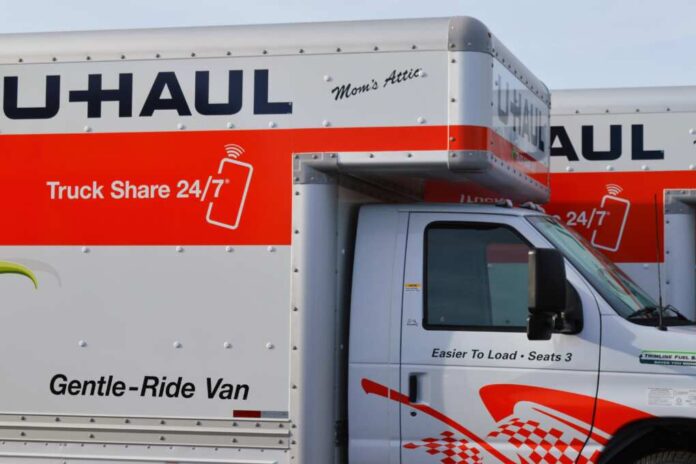
A deadly U-Haul explosion in small-town Idaho is now raising big questions about everyday safety.
Story Snapshot
- A 61-year-old driver was killed when a U-Haul truck exploded in a Lewiston, Idaho shopping center parking lot.
- Investigators say leaking propane and other flammables inside the rental truck caused an accidental blast, not terrorism.
- The explosion damaged nearby businesses, exposing how vulnerable busy retail areas are to hazardous materials.
- The case highlights a regulatory gap around consumer transport of propane and gasoline in rental trucks.
Fatal Blast in a Quiet Idaho Retail Parking Lot
On a Saturday morning around 7:15 a.m., a rented U-Haul box truck parked outside an Old Navy store in Lewiston, Idaho suddenly exploded, killing the 61-year-old driver, Douglas Petersen, and shattering the calm of a regional shopping hub. The blast ripped through the parking lot, damaging nearby businesses, including the Old Navy itself and a Courtyard Marriott hotel, but by sheer timing there were no additional fatalities. Officials say no fire followed, but structural and glass damage stretched across the commercial area.
Authorities from multiple agencies rushed to the scene, including the Lewiston Fire Department, Lewiston Police Department, Idaho State Police, city streets crews, and Nez Perce County officials. They quickly cordoned off the shopping center, urged the public to avoid the area, and began the investigation. Early fears among residents that this might be a terror attack or politically motivated violence were understandable in today’s climate, but investigators moved fast to sort fact from speculation and calm those concerns.
Watch:
Investigators Point to Propane Leak, Not Criminal Plot
According to fire officials, the U-Haul’s cargo box contained stored materials that included gasoline and propane tanks, the same kind of fuel many families use for grills, heaters, and small equipment. Investigators later concluded propane inside the enclosed box was leaking, creating an explosive fuel-air mixture. At some point, an unknown ignition source—possibly a spark, static discharge, or other trigger—set off the blast. Fire Marshal Julian Sorrell emphasized there was no evidence of criminal activity and no indication of terrorism behind the incident.
Law enforcement classified the case as a fatal accident, not a crime, and eventually returned control of the damaged property to its owners once the on-scene work wrapped up. Officials also stressed there was no ongoing threat to the public, important reassurance for a community suddenly rattled by a high-energy explosion in a familiar parking lot. Yet for many local residents, and for conservatives nationwide who value practical safety over political theater, the event exposed deeper issues about how hazardous materials move through everyday spaces.
Everyday Hazards, Regulatory Gaps, and Public Risk
Companies like U-Haul routinely rent trucks for household moves and storage runs, and customers often load a mix of furniture, tools, gas cans, and propane cylinders without much thought. While there are safety recommendations—closed valves, upright cylinders, ventilation, avoiding heat buildup—most consumer moves are not regulated like commercial hazmat transport. That leaves a gray area where ordinary people can unknowingly create dangerous conditions in enclosed vehicles parked next to stores, hotels, and sidewalks crowded with families.
The Lewiston explosion underscores how a single mishandled fuel load can turn a retail parking lot into a potential blast zone, even with no hostile intent. The tragedy could have been far worse if the lot had been full of shoppers instead of relatively quiet at that early hour. For a conservative audience already skeptical of bloated federal agencies that miss real threats, this case raises a familiar frustration: Washington spends years on ideological crusades while basic, apolitical safety education about propane and gasoline transport remains scattered and inconsistent.
Local Impact, Accountability Questions, and Lessons for Patriots
For the victim’s family, the loss of Douglas Petersen is permanent and deeply personal. For Old Navy, Courtyard Marriott, and neighboring businesses, the blast brought broken glass, structural repairs, insurance claims, and temporary disruption. Local officials had to manage road closures, debris, and anxious residents who heard or felt the explosion. Yet beyond the immediate damage, many will ask whether U-Haul’s customer guidance, local signage, or community awareness about transporting flammables was strong enough to match the real risks.
Personal freedom to haul fuel and equipment is essential in a free country, especially in rural and small-town America where people depend on DIY work. At the same time, clear, practical safety information—delivered without nanny-state overreach—can help prevent another family from enduring what Petersen’s loved ones now face. This case is a reminder that defending our communities is not just about stopping bad actors, but also about respecting the power of everyday materials we all use.
Sources:
1 dead in U-Haul truck explosion in Lewiston, Idaho parking lot: Officials
U-Haul truck explosion kills 1 in Idaho retail shopping center parking lot
One killed after U-Haul truck explodes in Idaho shopping center parking lot
Explosion in Lewiston parking lot leaves one dead, investigation ongoing