A pivotal encounter with a Harley-Davidson ignites a young man’s path from surfer to outlaw biker, challenging societal norms and family expectations.
Story Snapshot
- George Christie Jr.’s life changed in 1966 after seeing a friend on a Harley-Davidson.
- From surfing in Ventura to joining the Hells Angels, Christie’s journey defied expectations.
- The allure of brotherhood and motorcycles contrasted with later gang violence.
- Christie’s departure from the Hells Angels in 2011 marked the end of an era.
Christie’s Transition from Surfer to Outlaw Biker
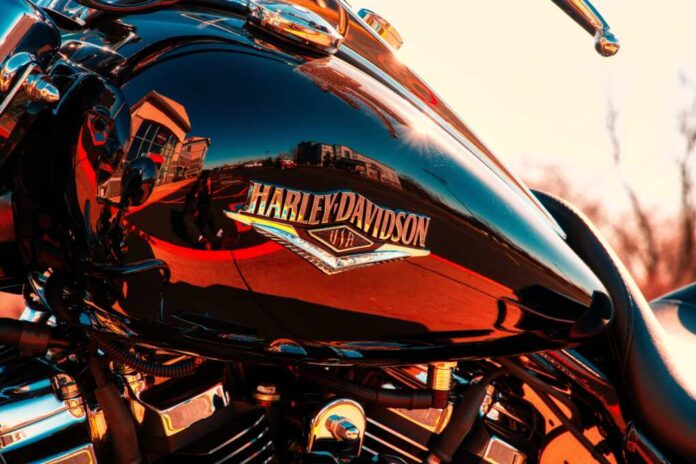
In 1966, George Christie Jr.’s life took a dramatic turn when a surfing buddy arrived at the beach on a Harley-Davidson. This moment ignited Christie’s desire to join the outlaw motorcycle world. Despite his father’s objections, he bought a 1957 Panhead for $200 and started associating with local clubs like the Question Marks and customizers like Von Dutch. By 1976, Christie had joined the Hells Angels, marking the beginning of a significant chapter in his life.
Christie’s transition from a surfer to a biker was not a typical path for Hells Angels recruits. Unlike many who were driven by crime, Christie was an educated outlier with a college degree and a job at the Defense Department. This background set him apart in a culture often characterized by its rough and unrefined nature. His entry into the Hells Angels was driven by a romanticized vision of brotherhood and motorcycles rather than criminal pursuits.
The Rise of the Ventura Chapter
By 1978, George Christie had founded and become the president of the Hells Angels Ventura chapter. This move significantly boosted the local power of the Hells Angels but also sparked tensions with rival clubs like the Mongols. The Mongol wars, which began around 1977, were marked by violence, including fights, shootings, and bombings. Despite these challenges, Christie’s leadership helped shape the operations of the Hells Angels in California over the next few decades.
Christie’s tenure as president of the Ventura chapter lasted for 33 years and was marked by significant events, including negotiating truces with rival clubs. However, the shift from brotherhood to gangsterism within the Hells Angels became more pronounced during this period, exemplified by widespread club wars and territorial disputes.
Reflections and Retirement
In 2011, George Christie decided to leave the Hells Angels after 40 years. He cited the fracturing of groups, ego clashes, and an unwillingness to perpetuate violence as reasons for his departure. Unlike the motivations that drove him to join the club, Christie’s exit was marked by a desire for peace and reflection on the evolution of the Hells Angels from a brotherhood to a more corporate and ruthless organization.
Next up in my collection: a 1997 Softail Harley-Davidson that will be in my collection until the very end 🛞💨
In the mid ’90s, I went out and bought myself a brand-new Harley, but after three months, I had to sell it. So I promised myself, as I drove off, that I would buy… pic.twitter.com/ZoB9OO3Cxw
— Richard Ray Rawlings (@RRRawlings) January 18, 2026
Today, Christie reflects on his past through writing and public speaking, sharing insights into his life as an outlaw and the broader implications of his journey. His articulate voice continues to humanize the biker culture, providing a nuanced perspective on the balance between camaraderie and conflict.
Sources:
Outlaw Chronicles: Hells Angels | History
Outlaw George Christie’s Life in the Hells Angels and Beyond | KNPR
George Christie (biker) | Wikipedia
George Christie Interview: Ex-Hells Angels’ Last American Outlaw | Alice Carbone