New York City locked in cash payments for returned syringes, betting $3 million that money can buy cleaner streets and fewer hazardous needles.
Story Snapshot
- City made the syringe redemption pilot permanent in the Fiscal Year 2026 budget, funding $3 million.
- Program pays 20 cents per syringe, up to $10 per day, at mobile sites across four boroughs.
- Officials say the goal is less needle litter and safer sidewalks without police action.
- The move follows a national pattern: litter drops spark praise, politics sparks backlash.
City Finalizes Cash-for-Syringes in the New Budget
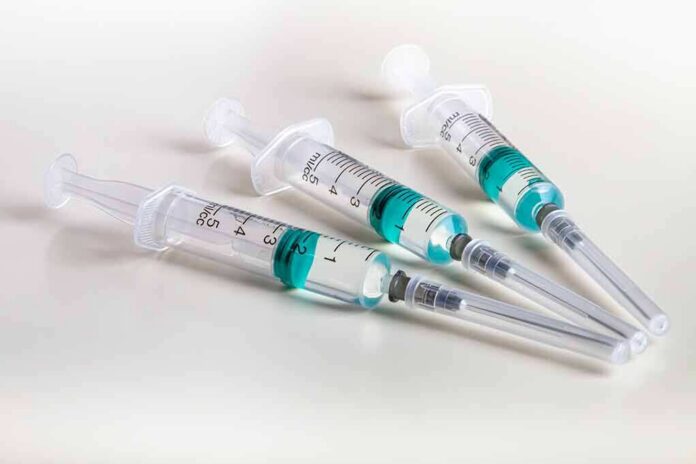
New York City made its Community Syringe Redemption Program permanent in the new budget, setting aside $3 million for operations this year. The Health Department first launched the program as a pilot in May 2025. The city framed it as a public safety and public health tool to cut needle litter fast. The program continues under the Health Department and partners that handle intake and disposal. The change shifts the pilot to a core service in the city’s harm reduction playbook.
The decision lands amid rising spending tied to opioid settlements, which fund syringe services, overdose prevention, and naloxone distribution each year. The Health Department’s accounting shows tens of millions flowing to these efforts as settlement payouts continue. The redemption program is separate but fits into the same strategy. Officials argue that quick, safe disposal reduces risks to children, sanitation workers, and park users who face sharp hazards on sidewalks and in playgrounds.
How the Redemption Program Works on the Street
The city pays 20 cents per syringe returned, with a daily cap of 50 syringes for $10 per person. Participants can bring their own syringes or ones found in public spaces, with minimum and maximum return counts set for safety and tracking. Health Department vans rotate through set locations and hours in Queens, the Bronx, Brooklyn, and Manhattan. Staff collect, count, and dispose of returns in puncture-proof containers. The model aims to move needles from street corners to safe disposal sites.
City materials direct residents to other legal access points for clean syringes, including pharmacies and public health vending machines, to reduce disease spread and encourage safe returns. Harm reduction research has found that syringe service programs can cut needle litter by expanding disposal options and steady pick-up routines. Studies comparing cities have linked fewer discarded syringes with broader syringe service access, suggesting safer disposal pathways make a measurable difference.
Supporters Cite Litter Reduction; Critics Warn of Perverse Incentives
Supporters say cash redemption speeds cleanup by rewarding fast action where needles pile up. They point to past programs that collected thousands of syringes each week, which made parks and transit stops safer to use. The Health Department says the New York City design caps daily pay, limits hours and sites, and uses trained staff, which they argue reduces fraud and risk while focusing on litter removal. Public health groups add that disposal services often cut visible needle waste in high-use areas.
Critics argue that any cash tied to drug paraphernalia risks feeding addiction, even at small amounts. Some also warn it could attract more drug activity to pickup points. Past programs in other cities drew political pushback that led to limits or shutdowns despite litter gains. Research on syringe services shows mixed outcomes across measures, with evidence of strong infection control benefits but debate over broader drug use trends and overdose patterns, which remain points of contention in policy circles.
A Familiar Policy Cycle: Pilot, Pushback, and Budget Fights
New York City is following a pattern seen in other places: pilot a syringe redemption, report litter reductions, then face political heat and budget pressure. Boston ran a similar program with the same 20-cent rate and $10 cap, then ended it when funding lapsed despite high collection numbers. New York City’s permanent status and dedicated funds signal a choice to weather that cycle for now. Leaders say the immediate safety wins outweigh the controversy.
New York City has made its controversial cash-for-syringes program permanent #NYC. Mayor Mamdani will now pay drug users 20 cents per used syringe, up to $10 per day #TaxpayerMoney.
Supporters say it helps remove hazardous needles from city streets #HarmReduction, while critics… pic.twitter.com/wJqycCkgGN
— Reverend Jordan Wells (@WellsJorda89710) July 19, 2026
The stakes are practical and personal. Parents want parks free of sharps. Sanitation crews want fewer on-the-job injuries. People struggling with addiction want low-barrier ways to dispose of syringes and connect to care. The city is trying to serve all three at once. Whether this approach keeps broad support will likely depend on street-level results: fewer needles where people walk, fewer injuries for workers, and smooth, fraud-proof operations that deliver what taxpayers were promised.
Sources:
facebook.com, nypost.com, nyc.gov, gothamist.com, breakingnewyork.com, health.ny.gov, nber.org, addictionresponse.com, bostonglobe.com, pmc.ncbi.nlm.nih.gov, ncbi.nlm.nih.gov