A viral campus video shows a student cheer a political figure’s killing and hint at neck shots during a public mic event.
Story Snapshot
- A student recited a poem lauding a fatal neck shot at a University of Texas at San Antonio event.
- The video shows a remark about appearing without neck protection after the reading.
- Reports identify the event as a Turning Point USA “Pick Up the Mic” program on campus.
- Coverage sparked debate over threats versus protected speech on public campuses.
What the Video Shows and Where It Happened
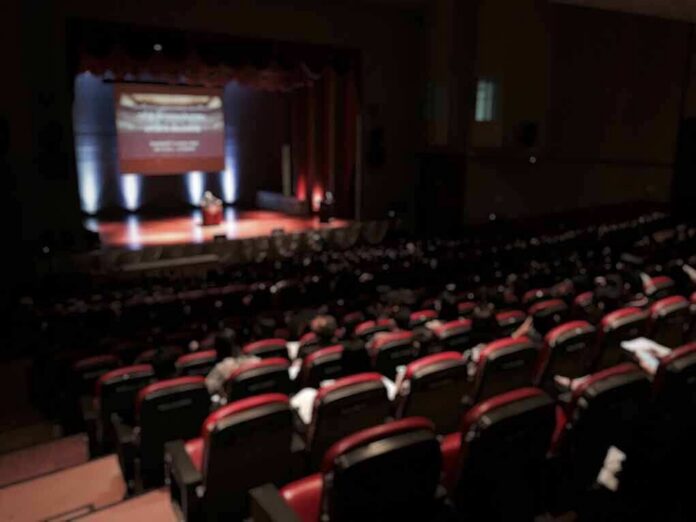
Christian Collins, who founded the Texas Youth Summit, posted a video from a “Pick Up the Mic” event at the University of Texas at San Antonio. The clip shows a student reading a poem that includes “a shot to the neck,” in reference to a political figure’s killing, then telling Collins he was brave to appear without neck protection. Reports identify the setting as a Turning Point USA event on campus, with a student speaker named Isa Casahuga or Isa Casahuga-Lemgruber.
Published accounts say the poem treated the killing as a solemn memory while framing it within a parody. After the reading, the student spoke about “neck protection” to an event participant. The reports describe the tone as gleeful or celebratory. These details come from the posted video and write-ups by outlets that circulated the clip widely on social media soon after the event. The accounts agree on the key lines and the setting inside the campus program.
How the Student Identified the Speech
Coverage ties the video to a student who later appeared on a personal site under the name Isa Casahuga-Lemgruber. That page attributes the poem to Isa and includes a short note invoking freedom of speech and a desire to share the work with others. The same theme, that the poem was shared under free speech, appears in reporting that quotes a similar line from before the on-campus reading. These statements anchor the student’s stated intent as expression.
Reports also say some online users moved to expose or mock the student after the clip spread, even claiming the student’s personal-name website domain. That step shows how fast a campus moment can turn into a reputational fight, with doxxing risks and outside pressure. That cycle can make a university’s choice seem political, even while officials weigh safety, rules, and the law. Similar doxxing waves have hit students at other schools in recent years.
Why This Touches a Hot Legal Line for Public Campuses
Public universities must balance safety with speech rights. Courts say the First Amendment protects even harsh or hateful speech unless it is meant, and likely, to trigger imminent unlawful action. That is the test from the Supreme Court’s Brandenburg standard. Universities may also act on “true threats,” where a speaker shows a serious intent to commit violence, and on speech that causes major disruption. Schools must parse words, context, and risk before they punish.
A Brazilian student at UTSA got up at a Turning Point event and read a poem celebrating Charlie Kirk's assassination.
UT System is investigating.
Deputy Sec of State Landau says visas can be revoked for celebrating political violence.
You're a guest here. Act like it.
Should her…— 🚀 madscientistBTC (@MadScientistBTC) October 30, 2026
Recent cases show how these disputes often end. The University of Utah probed an anti–Charlie Kirk post but then dismissed the cases after review. That outcome highlights a pattern: a fast public outcry, an initial inquiry, and later a narrower decision. In this Texas case, outlets report university scrutiny, but final outcomes were not detailed in the cited coverage. The core question remains where this speech falls on the line between offense and unlawful threat.
Why It Resonates Beyond One Campus
Americans across the political spectrum see a system that dodges hard problems yet jumps on viral clips. Many feel elites steer debate while regular people carry the cost. This story taps into that concern. Some fear authorities will ignore words that flirt with violence. Others fear schools will punish speech because it angers a crowd. Both fears grow when social media turns context into a ten-second reel.
Sources:
thegatewaypundit.com, bronx.com, x.com, expressnews.com, houstondaily.com, redlineheadlines.com, us.headtopics.com, amgreatness.com, m.dailyadvent.com, deseret.com, bostonbar.org, cbsnews.com