
A rare local truce let a 25-vehicle convoy enter war-torn Oleshky, deliver aid, and start evacuations.
Story Snapshot
- Aid buses and ambulances entered Oleshky during a short ceasefire, bringing food and medicine.
- Officials planned capacity for 750 passengers with a set timetable for departures and aid drop-offs.
- Ukrainian and Russian human-rights ombudsmen traveled with the convoy and coordinated on the ground.
- Both sides said the operation ended without incident as the truce continued through the weekend.
What Happened Inside Oleshky During The Truce
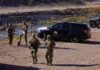
Associated Press reporting said a convoy of buses and ambulances entered Oleshky with food, medicine, and other supplies after a localized ceasefire took hold. The convoy began evacuations and supplied those who chose to stay. Organizers said the truce started earlier in the week and would continue through Sunday to keep the route open for aid and transport. The scene was unusual in a long war that rarely pauses for civilians.
Radio Free Europe/Radio Liberty reported that both Moscow and Kyiv described the evacuation as completed without incident. The outlet said aid reached residents who remained, while buses carried others out under the same pause in fighting. That shared message from both capitals underscored that, for several days, guns stayed quiet enough to move people and supplies in and out of the city.
How The Evacuation Was Organized And Timed
Ukraine’s Human Rights Ombudsman Dmytro Lubinets and Russian official Yana Lantratova helped run the mission on-site. Reports described 25 buses ready to carry up to 750 passengers. Planners set a departure window that ended at 14:00 local time, with aid distribution starting after 14:30. The simple schedule aimed to keep crowds controlled and routes clear. The fixed plan also showed the limits of the truce and the need to move fast.
Residents faced a direct choice. People could board buses headed toward Ukrainian-held territory or travel through Russian-controlled areas, or they could stay and receive supplies. Several outlets described about 2,000 people still in the city at the time of the operation. The convoy brought food, medicine, hygiene items, and fuel to support those who remained after the buses rolled out.
Why This Pause Mattered Beyond One Town
Chatham House research explains that humanitarian corridors only work when there is both a pause in fighting and a secure route with a way to solve disputes quickly. The Oleshky truce delivered access long enough to evacuate people and move goods. That is a real win for civilians, even if the broader war continues. The lesson is clear: narrow, local deals can still save lives when designed with strict, simple terms.
In past wars, scholars have warned that temporary corridors are fragile tools. They can ease suffering in the short term but do not replace lasting safety or services. The Oleshky operation fits that pattern. It showed that access was possible, protection improved for a short window, and aid arrived where it was needed. Reports did not claim more than that, and officials emphasized the window would close soon.
The Road Ahead: What To Watch Next
Local leaders and aid groups will track whether those who left reached their destinations and whether supplies inside Oleshky hold up after the ceasefire ends. Reporters noted that coverage focused on the convoy’s size, timing, and presence of senior ombudsmen. Those details help verify that the operation happened as planned. The next test is whether similar short pauses can be repeated safely in other hard-hit areas.
🕊️ Ukraine truce: residents of Russian-occupied Oleshky crossed into Ukrainian-held territory under a rare humanitarian truce, reuniting with family at the border.
Evacuations in the south are now complete — will this open a path to wider peace?#Ukraine #Russia #Peace— 荨麻疹 (@Ahehhrha5k) October 31, 2026
For Americans following from afar, this moment also shows how focused, time-limited teamwork can still break through political gridlock. Here at home, people are tired of big promises that go nowhere. In Oleshky, a simple plan, a tight schedule, and clear roles got results. That is the kind of practical problem-solving many feel is missing in Washington. It should not take a war zone to remind leaders what competence looks like.
Sources:
youtube.com, abcnews.com, aljazeera.com, rferl.org, cnn.com, qub.ac.uk, academic.oup.com