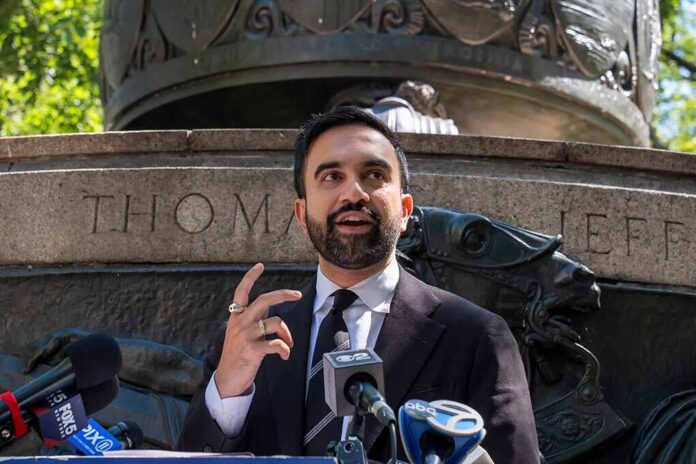
On the emotionally charged Oct. 7 anniversary, New York City Mayor Zohran Mamdani was booed at a vigil and later drew fresh backlash for dining at a Palestinian restaurant the same night.
Story Highlights
- Mamdani attended a solemn Oct. 7 vigil in Manhattan and was loudly booed by protesters.
- His same-day statement condemned Hamas’ Oct. 7 crimes and referenced Palestinian suffering, angering some Jewish groups.
- Reports say he later met with Palestinian families at Ayat, a Palestinian restaurant, fueling claims of provocation.
- The sequence showed how Oct. 7 remembrance remains a flashpoint for competing grief and public meaning.
Vigil Turns Tense Amid Competing Messages
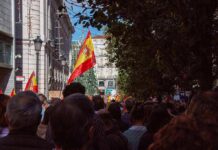
On Oct. 7 in Manhattan, Mamdani attended a vigil marking three years since the Hamas attacks in Israel. Coverage described a tense scene where protesters booed and shouted as he arrived. Reports said he stood in silence and did not address the crowd. The vigil itself mixed mourning and protest, with emotions running high across the square. Local television video and wire-style write-ups documented the disruption and jeers that followed his presence at the event.
Jewish Telegraphic Agency reporting said Mamdani remained solemn at the ceremony and did not speak at the vigil or engage protesters. That detail matters because it cuts against claims that he stoked the crowd on site. The same account noted that demonstrators overwhelmed parts of the event. The atmosphere and noise reflected deep divides over how to mark the date and what messages leaders should send in shared public spaces.
Statement Balances Condemnation And Grief, But Sparks Outrage
Earlier that day, Mamdani released a statement calling Oct. 7 “horrific war crimes,” grieving with those who lost loved ones, and also naming ongoing Palestinian suffering in Gaza. Several Jewish organizations and pro-Israel figures blasted the framing. They argued the message diluted remembrance of Israeli victims by shifting focus to Israel’s war conduct. The reaction showed how attempts to hold both griefs at once often draw fire from opposing sides in the city’s charged debate.
Outlets chronicled the swift political fallout, noting that the mayor’s wording angered mainstream Jewish groups and some lawmakers. Supporters of a broader lens said public leaders should acknowledge all civilian pain. Critics said the anniversary was not the place for that balance. The clash fit a known pattern around Oct. 7 events, where attempts at dual mourning meet resistance, and where even careful phrasing can become a trigger for new distrust.
Restaurant Stop Fuels Accusations Of Provocation
After the vigil, reports said Mamdani went to Ayat, a Michelin Guide-listed Palestinian restaurant, as part of a planned sequence of events that included meeting with Palestinian New Yorkers. The New York Post and Vinnews, citing unnamed sources, said he met with Palestinian families there. The reporting did not include a guest list or on-the-record confirmation from attendees, leaving the specific purpose of the meeting not fully verified in public documents.
🚨 BREAKING OVERNIGHT: Zohran Mamdani was reportedly CONFRONTED by pro-Palestinian protesters after attending an October 7 vigil, with demonstrators calling him a “TRAITOR” and an “opportunist piece of sh*t.” 🔥
🚨 “SHAME ON YOU!”
Mamdani’s attendance at the vigil appears to… pic.twitter.com/bJLP4iYywk
— NanceMace (@Nancymace55) October 8, 2026
Critics framed the dinner timing as a message to Jewish New Yorkers. Commentary pieces argued the choice, right after the vigil, was provocative. Supporters countered that meeting Palestinian constituents that night fit with his public emphasis on shared grief and with prior schedule notes. The lack of a detailed, on-record explanation from the mayor’s office about the Ayat stop allowed both narratives to grow. That vacuum let louder voices online define the meaning for many readers.
Why This Matters For Trust In Institutions
New York’s split reaction underscores a larger American problem. People on the right see leaders who ignore their pain and play politics with tragedy. People on the left see leaders who refuse to face the human cost in Gaza. Many on both sides believe the political class cares more about optics than speaking plain truth. When officials do not quickly explain decisions—like where they go, who they meet, and why—skeptics assume the worst and institutions lose more trust.
Clear facts can still guide the public. The record shows Mamdani was booed at the vigil, did not speak there, condemned the Hamas attack, and referenced Palestinian suffering. Reports also place him at Ayat later that night, with claims of a meeting that remain unnamed. Those points are not in dispute. The meaning people draw from them differs. That gap widens when leaders leave details out, and when media ecosystems reward heat over context.
What Would Bring Clarity Now
Specific steps could settle key questions. A release of the meeting purpose, attendee names with consent, and how Ayat was chosen would help. Staff calendars or schedule notes confirming the plan would also inform the public. A short on-the-record statement from the restaurant about the visit’s nature could add neutral facts. These moves would not end debate, but they would shrink the space for guesswork that fuels anger and deepens the city’s divides.
Sources:
mediaite.com, dailywire.com, townhall.com, jta.org, nytimes.com, nymag.com, foxnews.com, jewishinsider.com