At a Nebraska rally, President Trump signed an executive order on stage to let anyone buy tax-free red-dyed diesel, aiming to cut fuel costs for trucking and farming right now.
Story Snapshot
- Trump signed the diesel order live at a Grand Island rally, waiving the off-road rule.
- The move temporarily opens highway use of tax-exempt, red-dyed diesel to more buyers.
- Supporters see relief for farmers and truckers; critics question cost and enforcement.
- The on-stage signing fits a trend of using public events to drive policy attention.
What The Executive Order Does
President Trump directed federal agencies to waive the “off-road only” limit on red-dyed diesel and allow broader, tax-free purchases. Red-dyed diesel normally avoids certain taxes because it is restricted to farm, construction, and other off-road uses. The order temporarily defers the federal diesel tax on this fuel and opens access to the wider market. Trump framed the step as quick relief for people moving food and goods across the country during a period of high diesel prices.
Reporters on the ground said the order permits highway use of the tax-exempt fuel during the temporary window, effectively widening who can buy and where they can use it. That is a major change from normal rules, which can carry fines for on-road misuse. The White House and allies presented the change as a targeted break for farmers, truckers, small fleets, and rural communities that have struggled with higher operating costs. Local coverage in Nebraska echoed those goals.
Why It Matters For Costs And Commerce
Trucking and farming rely on diesel for work that cannot stop when energy costs rise. Even small per-gallon savings ripple through harvests, food processing, and long-haul shipping. Supporters argue that letting more buyers use tax-exempt diesel can ease pressure on freight rates and grocery prices. Analysts note that price effects depend on supply, enforcement, and how long the tax deferral lasts. Some coverage asked whether the cut will be large enough to show up for most drivers and consumers.
Fuel markets are tight when demand is steady and refining capacity is limited. A temporary tax break can lower costs for eligible users, but it does not increase supply on its own. If more on-road buyers tap the tax-exempt pool, distributors and state officials will need clear guidance. That helps prevent confusion at pumps and avoids mismatches between federal rules and state enforcement. The order’s speed may help near-term budgets, but it also raises practical questions about oversight.
The Rally Stage As Policy Platform
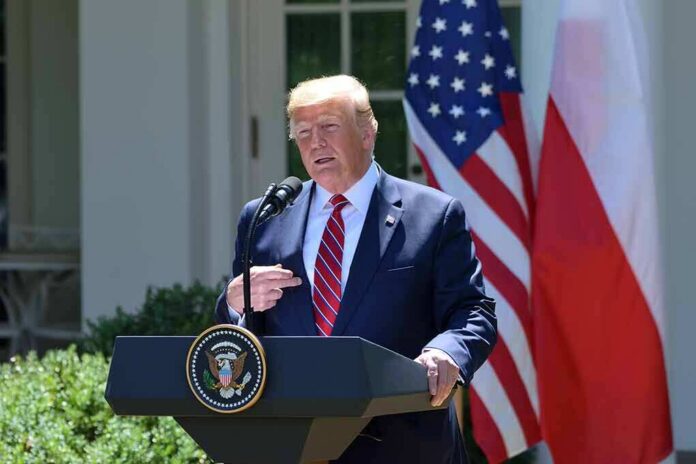
Trump signed the order on stage in Grand Island, turning a campaign-style moment into an official act. Presidents in both parties have used public events to elevate executive actions. Scholars tracking unilateral directives say modern presidents often tie policy to media moments to reach voters and shape coverage. The Nebraska signing fits that pattern: a simple message, a clear audience, and a visual display of authority to make a fast change outside the slow pace of Congress.
That approach appeals to people who think Washington moves too slowly and ignores working families. It also fuels debate about process and power. Some Americans on the right and the left worry that presidents lean on executive orders when lawmakers deadlock, letting short-term politics steer long-term rules. The diesel move shows both sides of that coin: immediate relief pitched to workers, and a reminder that big choices now often come from a pen, not a vote in Congress.
Impact Across The Political Divide
Farmers and truckers in many regions have faced thin margins, higher repair bills, and rising insurance costs. A tax break at the pump can help them keep crews on payroll and routes active. That message resonates with conservatives who want lower energy costs and fewer barriers to work. It also connects with liberals who want cheaper food and fairer freight costs for small businesses. But concerns will linger about lost tax revenue and whether fuel sellers can keep rules clear and honest.
WH primary — President Trump Announces Automatic Enrollment of Eligible Children in Trump Accounts
Video: https://t.co/XXNh6OTyTE**1. The Frame**
**What people think this is about:** President Trump is handing every American child a head start on wealth through automatic…
— GrumpyNews, emotionally clean news. (@GrumpyNews_) October 7, 2026
Enforcement has always mattered with red-dyed diesel, which is dyed to spot misuse. When rules shift fast, mistakes and abuse can follow if oversight is weak. Federal and state agencies will have to explain who qualifies, how long the waiver lasts, and what records buyers must keep. Clear lines protect honest users and deter cheaters who could undercut peers. Transparent guidance would help prevent the sense that insiders get a break while rule followers carry the load.
What To Watch Next
Watch diesel prices over the next few weeks, especially in farm states and freight corridors. Look for agency guidance on how long the waiver runs, documentation needs, and penalties. Track how large carriers respond and whether small operators see real savings. Expect fresh debate in Congress about fuel taxes and energy policy as both parties test messages for rural and working-class voters. The policy’s test is simple: do costs drop for the people who keep the country fed and stocked?
Sources:
facebook.com, theepochtimes.com, rawstory.com, yahoo.com