
Polish prosecutors say a detained 66-year-old had improvised explosives and planned to use them to overthrow the state, with the prime minister named as a target.
Story Snapshot
- Prosecutors say explosives were found in the suspect’s apartment and nine charges were filed.
- Officials say a warning email named Prime Minister Donald Tusk and Defense Minister Władysław Kosiniak-Kamysz.
- Security services treated the threat as highly likely and moved fast to detain the suspect.
- Public reports have not detailed a specific time, place, or attack method.
What Authorities Say Was Found And Charged
Warsaw regional prosecutors said they discovered improvised explosive materials in the suspect’s home. They filed nine charges, including preparing to use explosives to forcibly overthrow state authorities. Prosecutor Piotr Skiba described that allegation as the most serious in the case. Reports identified the suspect as a 66-year-old Polish man. A court hearing on custody was expected to follow the charges. At this stage, the case centers on seized materials and stated intent, not a completed attack.
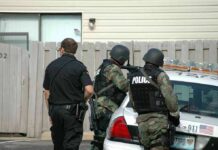
Police and security services said they acted after receiving a warning about a possible assassination attempt. Officials said the information showed a strong chance the threat could be carried out. The State Protection Service sent an email to police that named the leaders at risk. That alert triggered an urgent meeting among security bodies. The Interior Ministry said the possible targets were Prime Minister Donald Tusk and Deputy Prime Minister and Defense Minister Władysław Kosiniak-Kamysz.
How The Threat Was Assessed And Escalated
The Special Services Coordinator’s office said the tip was credible and signaled a high likelihood of action. That assessment prompted a rapid interagency response and the suspect’s detention. Officials emphasized speed to reduce risk to the protected leaders. The action followed standard threat management steps: receipt of a warning, prioritization based on risk, and immediate disruption of the suspect’s capacity. Those moves reflect protocols seen in protective details worldwide when named leaders face a possible plot.
Journalists reported that authorities have not released the source of the warning or the full message. Officials have also not shared where or how an attack might have occurred. Reports described explosives or improvised devices but did not include a technical breakdown. That includes no public lab results, detonator details, or yield estimates. These limits are common in active cases, but they leave some specifics outside public view while courts decide custody and next steps.
Why This Matters Beyond Poland
Poland sits on the North Atlantic Treaty Organization (NATO) frontline amid Russia’s war in Ukraine. That setting raises the stakes of any threat against top leaders. European reporting placed this case in a period of higher alerts and sharper political divides. Threat assessment research also shows that many communicated threats do not lead to action, while rare attacks can emerge with little warning. That tension is why protective units treat named-leader threats as urgent until cleared.
For readers in the United States, the themes feel familiar. People across the spectrum worry that elites in government protect themselves first while citizens face rising costs and growing insecurity. This case highlights another concern: when politics runs hot, violence risks go up, and regular people can get caught in the crossfire. Clear facts, due process, and measured transparency help rebuild trust. That means proving what was seized, how it was tested, and what plan, if any, existed.
What Comes Next In The Case
Prosecutors will seek pretrial detention based on the nine charges. Courts will weigh probable cause and the risk to the public. Investigators can strengthen the record by releasing a search inventory, photos, and forensic test results when lawful. They can also clarify whether the suspect acted alone or had help. If authorities show maps, messages, or purchase records tied to the two leaders, that would link materials to intent. If not, the case will rest on possession and stated aims.
🇵🇱 Poland arrests a 60-year-old man accused of plotting to assassinate the prime minister and defense minister. Authorities are investigating the alleged plot. ⚠️#Poland #BreakingNews #Europe #Security
— Axiosint (@Axiosintl) October 13, 2026
One report said the suspect did not admit the alleged acts and refused to offer an explanation, which is his right under Polish law. That does not end the case, but it means forensic work carries more weight. For now, the priority remains protection of leaders and the public. The broader lesson is simple: strong security and honest disclosure are not opposites. They are both needed to keep people safe and keep faith in the system.
Sources:
tvpworld.com, afp.com, pap.pl, notesfrompoland.com, internazionale.it